
How to Spot Artificially Low Bids for Roof Replacement
I remember the moment vividly. I was sitting at my kitchen table, reviewing a bid for my roof replacement, when a tiny voice in my head whispered, “Something isn’t right.” The number looked suspiciously low—so low, in fact, that I worried it might be missing crucial costs or worse, be a sign of trouble ahead. That realization hit me hard. Why? Because I’d been down this road before, falling for the trap of lowball bids that can often lead to more headaches than helpful savings.
The Hidden Danger of Artificially Low Bids
Early on in my home renovation journey, I learned the hard way that not all bids are created equal. A surprisingly low estimate can be a wolf in sheep’s clothing—designed to lure you in, but often hiding additional costs or subpar work. The dreaded reality is that some contractors intentionally submit artificially low bids to win work, knowing they can charge extra later for unforeseen issues or modifications. This trick not only inflates your total project budget but can also compromise the quality and safety of the job.
My mistake was focusing solely on the initial price without digging deeper into what was included—or overlooked—in the bid. One instance, I overlooked the importance of detailed scope documentation and missed the signs of bid padding. It’s a common pitfall, but one that can be avoided with a little knowledge and vigilance.
If you’re wondering how to distinguish genuine offers from dangerously low bids, you’ve come to the right place. Today, I’ll share the tips and signs I’ve picked up through years of experience—and a few costly lessons—to help you identify when a bid might be too good to be true.
Want to protect yourself from falling into the low-bid trap? Keep reading. And if this scenario sounds familiar, I encourage you to check out our comprehensive guide on estimating home additions for a deep dive into project budgeting and cost control.
Is a Low Bid Ever a Good Deal?
A natural concern is whether there’s such a thing as a legitimately low bid. The truth is, sometimes contractors offer competitive prices, especially if they have efficient processes or last-minute availability. However, a pattern of suspiciously low bids combined with vague scope descriptions and no detailed breakdown should raise red flags. It’s essential to verify if the bid accounts for all aspects, including permits, materials, labor, and any necessary inspections. For that, understanding the permit process is crucial—you can learn more at understanding permit processes.
Early in my career, I made the mistake of accepting a bid because it was the lowest without questioning the scope or the contractor’s experience. That oversight led to unexpected costs when work stopped midway due to permit issues, a costly lesson I’d rather others avoid. Trust me, always ask for detailed estimates and references—it’s worth the extra effort.
Now that I’ve shared my story, let’s explore how to spot those sneaky, artificially low bids before they cause trouble. Knowledge is power—and in this game, it can save you from costly surprises.
Verify the Complete Scope of Work
Start by requesting detailed, itemized estimates from contractors. These should specify materials, labor, permits, inspections, and any additional costs. During a project I managed, I once received a bid that listed only basic labor costs; upon asking for a breakdown, I discovered that permit fees and material upgrades were missing, which could have led to unexpected expenses. Always compare these details across bids to spot inconsistencies or omissions.
Assess the Bid’s Realism and Price Consistency
Compare the bid with recent estimates from reputable sources or industry averages. If a proposal is significantly lower—say, 20-30% below others—it’s a warning sign. Use online estimating guides like this resource to gauge whether the bid’s pricing aligns with current market rates. Remember, extremely low bids often cut corners, risking quality and safety.
Investigate the Contractor’s Experience and Reputation
Check references, reviews, and past project photos. A contractor who consistently submits low bids but has a history of delays or quality issues may be gaming the system. In one case, I contacted a contractor whose low bid was tempting but uncovered multiple complaints about incomplete work. Trustworthy contractors stand behind their estimates and are transparent about costs and timelines. Visiting recent job sites can also reveal actual workmanship versus what’s promised.
Ensure Permits and Inspection Costs Are Accounted For
Permits can be a hidden source of added costs if overlooked. Use resources like this guide to understand what permits are required for your project. Ask contractors to include permit application and inspection fees in their bids. In a project I supervised, I verified permit requirements early, preventing a delay caused by a contractor omitting inspection fees, which could have halted work and generated extra charges.
Look for Signatures of Bid Padding or Unusual Margins
Watch for bids that include unnecessary items or excessively padded costs—like inflated allowance for minor materials or vague contingency funds. These are often red flags signaling that the bid might be artificially low to win the contract, with plans to add charges later. Always review the scope carefully and clarify unclear items before signing.
Confirm the Contractor’s Licensing and Insurance
Verify licensing status and insurance coverage through official channels. A low bid from an unlicensed or uninsured contractor exposes you to legal and financial risks. I once encountered a bid that seemed too good to be true; upon checking, the contractor lacked proper licensing, which could have compromised the quality and safety of the work.
Use Visual Aids to Clarify Complex Parts
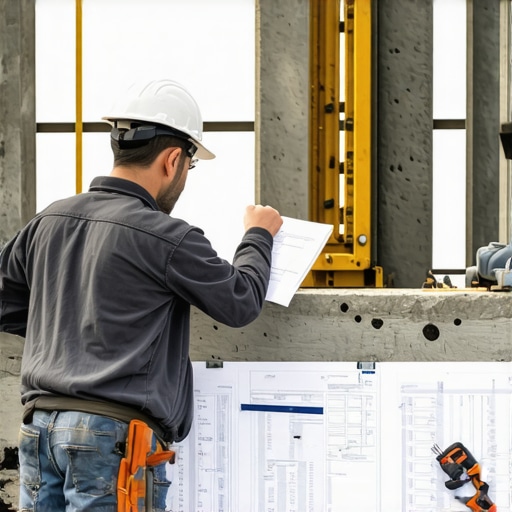
Visual diagrams or sketches accompanying bids can reveal whether all project elements are addressed and realistic. In my last renovation, I requested a site plan and scope diagram, which helped identify overlooked areas and prevent costly revisions later. Including images or plans can also expose vague or generic descriptions, forcing contractors to specify details.
< >
>