The Sidewalk Repair Requirement After Your Heavy Equipment Leaves
It was a warm Saturday morning when I realized what I overlooked during my recent home addition project. The roar of heavy machinery had finally gone quiet, but silence was quickly replaced by a different kind of noise — the kind that comes from unexpected problems. As I stepped onto my freshly poured sidewalk, I noticed a few unsightly cracks and uneven patches. That instant was a lightbulb moment for me: I had underestimated the importance of proper sidewalk repair after heavy equipment leaves. And let me tell you, ignoring these requirements isn’t just an aesthetic issue — it can lead to costly repairs and permit issues down the line.
The Real Cost of Forgetting Sidewalk Restoration
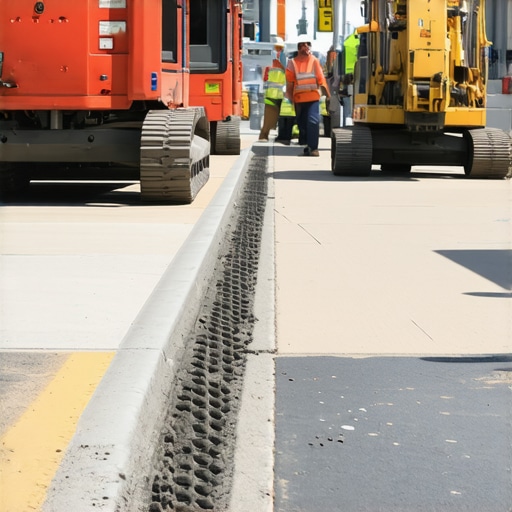
When major construction hits my neighborhood, I always notice one thing — the sidewalks take a beating. Heavy machinery, like diggers and forklifts, can leave the concrete weak and compromised if not properly restored. I learned this the hard way early in my project when I skipped the sidewalk repair step because I was eager to get everything wrapped up. My mistake? Not understanding that local regulations often require homeowners to repair or replace damaged sidewalks before final inspections. And believe me, the penalties for neglecting this can be steep. In some jurisdictions, failure to restore sidewalks can result in fines, delays, or even the inability to secure your occupancy permit.
But what really made me rethink my approach was the realization that neglecting sidewalk repairs can also pose safety hazards — uneven surfaces can become tripping risks and liability issues. It’s a problem many homeowners don’t anticipate until it’s too late.
Will overlooking sidewalk repair cost you more in the end?
One of my biggest early mistakes was underestimating the scope and importance of these repairs. I thought I could handle it myself or just ignore it until later. Big mistake. It’s almost always cheaper and less stressful to address sidewalk issues immediately after heavy equipment leaves. Plus, ensuring compliance with local permit requirements from [permits for new builds](https://constructionedgez.com/permits-for-new-builds-essential-tips-for-your-project) helps avoid unexpected setbacks.
So, if you’re planning a project that involves significant groundwork, I urge you to start thinking beyond the blueprints. Your sidewalks are like a silent partner in your construction — overlooked at your peril.
Now, let’s walk through what you need to do to property repair and avoid future headaches. But first, tell me — have you faced this problem yourself? Drop your story in the comments or reach out through [contact us](https://constructionedgez.com/contact-us). We’re in this together to keep our homes safe, compliant, and looking good.
Secure Your Permits Before Breaking Ground
Start by researching your local permitting authority’s requirements for your project. Visit the city or county’s website to find application forms and checklists. Preparing a comprehensive application, including detailed plans and specifications, can expedite approval. Remember, skipping this step risks costly fines or project delays, so double-check all documentation before submission. I once failed to include a detailed site plan, which caused my permit application to be rejected, extending my timeline by weeks.
Gather Accurate Cost Estimates for Your Project
To avoid budget overruns, it’s essential to create precise estimates. Break down the project into smaller tasks: excavation, foundation, framing, utilities, and finishing. Use recent bid data from reputable contractors or detailed cost databases. For complex structures, consider using specialized estimation tools or consulting with professionals. I once underestimated framing costs because I didn’t account for the increased lumber prices, leading to unexpected expenses. Learning how to accurately estimate costs ensures you stay within budget.
Coordinate with Licensed Professionals
Engage licensed engineers and architects early to develop plans that meet code requirements. Their expertise helps prevent costly revisions during the permit process. For additions or structural modifications, a professional’s stamp may be mandatory. I spent extra time and money fixing plans later because I initially tried to DIY structural calculations, which didn’t pass inspection. To streamline the process, review permit processes for additions and ensure your plans are compliant.
Navigate Local Regulations with Precision
Regulations around setbacks, easements, and height restrictions vary widely. Use GIS tools or maps provided by your municipality to verify property boundaries and easements. For example, overhanging eaves may trigger setback violations if not properly documented. I once had to redesign my porch to meet setback requirements after discovering an easement encroaching on my property. Familiarize yourself with local rules by reviewing permitting in your area.
Prepare and Submit Your Application Carefully
Double-check that all forms are filled out correctly, plans are complete, and fees are paid. Attach necessary supporting docs, such as structural calculations and environmental reports. Keep copies of everything. During my first submission, I forgot to include a foundation detail, delaying approval by two weeks. A thorough review checklist, like examining your project against permit requirements, can prevent such errors. Learn more about obtaining permit approval efficiently.
Track Your Permits and Approvals Actively
After submission, regularly follow up using online portals or direct contact. Respond promptly to requests for clarification or additional info. Once, I waited three weeks without checking, leading to a missed deadline. Setting reminders and maintaining organized records helps keep your project on schedule. To verify your permit status, consult local online systems or your permit officer—knowing how to verify permit status independently saves time.
Conclusion
Managing permits and estimates isn’t a one-time task but an ongoing process requiring attention to detail and proactive engagement. By following these concrete steps, you can avoid delays, reduce costs, and ensure your project complies with all regulations. Keep informed, stay organized, and don’t rush through these essential steps; your future self will thank you for it.
While many homeowners believe that obtaining permits and estimating costs are straightforward tasks, the reality is far more nuanced. A common misconception is that permit approval is simply about submitting the correct forms; in truth, it involves understanding complex local regulations that often change and can be quite specific to your property. For example, some homeowners overlook the importance of verifying easements or setback requirements before designing their project, leading to costly redesigns or permit rejections.
How can advanced homeowners anticipate hidden permit complexities?
Experts like those at Construction Edgez highlight that staying current with jurisdictional updates and consulting with seasoned professionals can prevent these pitfalls. Additionally, many underestimate the significance of precise cost estimation. Relying on outdated or generic figures can result in substantial budget overruns. Detailed research and-use of specialized estimation tools, as recommended in this guide– ensure your project remains financially viable. A critical trap involves assuming that all labor and material costs are static; in reality, factors like supply chain fluctuations and regional labor shortages can dramatically impact your budget. Furthermore, many skip the deeper analysis of permits for additions or new builds, believing that standard applications suffice. In fact, understanding nuances like hydrostatic pressure requirements for retaining walls or the specific soil tests necessary can save you from compliance issues later. These detailed considerations are often what separate a smooth project from a nightmare, especially when unanticipated inspections or legal challenges occur. To navigate these complexities effectively, engaging with experienced professionals and dedicated resources like comprehensive permit strategies can be invaluable. Do you think you’ve fallen prey to underestimating these hidden factors? Share your experiences below or reach out via contact us to learn more about expert tips that safeguard your investment.
Keep Your Projects Smooth with the Right Tools
Maintaining a construction project beyond the initial build requires specialized tools and strategies to ensure longevity and compliance. From software solutions that streamline estimation to physical equipment that keeps site maintenance manageable, choosing the right tools makes all the difference. I personally rely on ProEst for accurate cost tracking because it integrates with my existing project management platforms and allows for real-time adjustments, saving me countless hours during long-term maintenance phases. Additionally, using a laser distance meter helps me assess site conditions quickly and accurately during routine inspections, ensuring everything remains within required specifications.
How do I maintain permit compliance over time?
One effective strategy I recommend is adopting digital permit management software like permit tracking tools. These platforms notify you of renewal deadlines, permit expirations, or changes in local regulations, which are essential as codes evolve. Staying ahead of permit requirements prevents violations that could disrupt your operations, as I experienced when a permit expired unnoticed, leading to costly halts. Regularly scheduled inspections combined with digital tools help maintain compliance effortlessly.
Invest in Reliable Equipment for Long-Term Success
Physical tools like portable generators, industrial-grade pressure washers, and efficient debris removal systems are crucial for site upkeep. I favor the Honda EU2200i generator due to its lightweight design and fuel efficiency, allowing me to power tools during inspections without delays. For site cleanliness, I use a Skid-steer loader equipped with a sweeping attachment to manage ongoing site maintenance smoothly. These investments pay off by reducing downtime and keeping projects on schedule, especially during prolonged builds or expansions.
What about digital tools?
Project management apps such as Construction Edgez’s estimation platform are evolving to incorporate AI-driven insights that predict upcoming maintenance needs based on project progress. Embracing these intelligent tools can provide predictive maintenance alerts, prevent unforeseen issues, and optimize resource allocation for future phases, making your project more resilient over the years. Whether it’s software or hardware, maintaining your construction project’s health requires a blend of the right tools and proactive planning.
Looking toward the future of maintenance
As technology advances, I anticipate a greater integration of IoT sensors embedded within structures to monitor everything from structural integrity to environmental conditions. These sensors could automatically alert you to issues like moisture ingress or material fatigue before they become critical problems. Adapting early to these innovations ensures that your projects stay compliant, safe, and operational for decades to come. Be proactive today by exploring how IoT solutions could fit into your next project plan.
Start by experimenting with a digital permit tracking system or a smart sensor prototype on your current project. Small steps today can lead to seamless maintenance in the future, saving time and reducing costs in the long run.
Lessons From My Permit and Estimate Slip-Ups That Changed My Approach
One of the most impactful lessons I learned was the importance of anticipating hidden permit requirements, such as specific setbacks or soil tests. I used to think submitting standard forms sufficed, but overlooked the nuanced regulations that could halt progress. Recognizing these details early on saved me from costly delays and legal issues.
Secondly, I realized that accurate, detailed cost estimates are vital. Relying on generic figures left me unprepared for regional price fluctuations and unexpected material needs. Now, I always cross-reference recent bids and stay updated with industry tools, ensuring my budget reflects reality and prevents surprises.
Lastly, involving licensed professionals early in the process can make or break your project’s compliance. I once attempted a DIY plan that failed inspection, simply because I missed critical structural nuances. Partnering with experts and consulting resourceful guides has provided the expertise I lacked initially, streamlining approvals and construction.
My Go-To Resources for Smooth Permitting and Estimation
For precise cost estimation, I recommend this comprehensive guide. It offers practical advice tailored for homeowners navigating project budgets. When it comes to navigating complex permit landscapes, this resource helped me understand evolving regulations on additions and setbacks. Additionally, this page provides essential tips for securing permits efficiently, saving valuable time and avoiding unnecessary fees. Lastly, consulting with licensed professionals, as recommended in this resource, has proven invaluable for ensuring compliance and avoiding rejections.
Seize the Moment and Build Confidently
Embarking on a home project is an exciting journey. With a clear understanding of permit intricacies and accurate estimation practices, you can transform potential setbacks into stepping stones. The key is proactive planning, continuous education, and tapping into trusted resources. The more prepared you are, the smoother your path to creating a safe, compliant, and beautiful home. Don’t let hidden hurdles hold you back—take the initiative today and build with confidence.