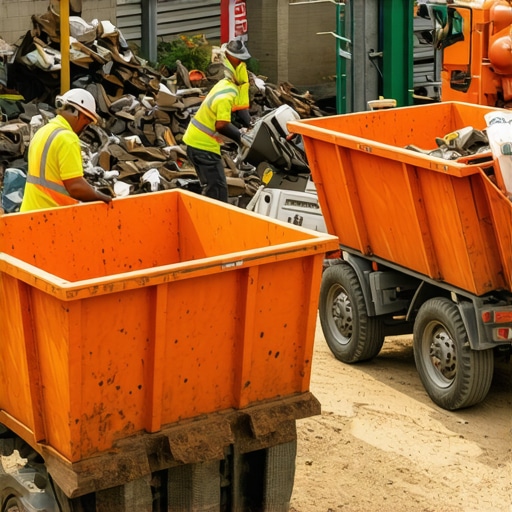
Why Your Contractor is Charging for Disposal Twice
Have you ever received an invoice and thought, “Wait, haven’t I already paid for this?” That lightbulb moment hit me hard during my last home renovation. I noticed what seemed like a double charge for debris disposal, and it fueled a suspicion I couldn’t ignore. Turns out, this isn’t an isolated incident. Many homeowners unknowingly fall into the trap of paying twice for the same disposal services, and it can significantly blow up your project budget.
Uncovering the Hidden Cost in Your Disposal Bill
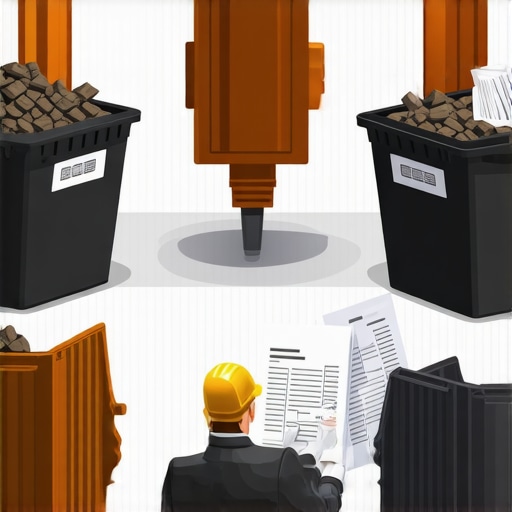
Initially, I thought I was just being cautious, asking detailed questions about my contractor’s estimates. But as I reviewed the bills, I realized two different charges for what appeared to be the same service. It was frustrating to see how easily these costs can slip through the cracks. As I dug deeper, I learned that some contractors include disposal fees multiple times due to miscommunication or, sometimes, less-than-transparent billing practices. This common issue can catch even seasoned homeowners off guard, especially when you’re eager to keep your project on track.
The good news? Once I understood the patterns and what to look for, I could challenge these charges and ensure I wasn’t paying more than I should. This knowledge has become my secret weapon in negotiating better quotes and understanding the true costs behind every line item. To avoid falling into the same trap, I recommend you double-check your contractor’s invoices carefully, especially the disposal-related expenses. Sometimes, what looks like a simple fee is layered or duplicated across different phases of the project. Be vigilant, ask for detailed breakdowns, and don’t hesitate to question items that seem redundant.
Do You Face This Hidden Cost Too?
Many homeowners have shared their frustrations about such billing surprises. Have you recently spotted a similar double charge on your invoice? If so, you’re not alone, and there’s an easier way to keep these expenses in check. By learning how to recognize these costs early—before they inflate your budget—you’ll be taking a big step toward smarter project management.
Understanding typical billing pitfalls is just the beginning. A clear grasp of permit requirements and estimation strategies can help you prevent budgeting surprises. For instance, [navigating permit requirements for additions in 2025](https://constructionedgez.com/navigating-permit-requirements-for-additions-in-2025) can shed light on other hidden fees that might be lurking in your project costs. Being proactive and educated is the best way to safeguard your investment and ensure a smooth, stress-free renovation journey.
In the next section, I’ll share practical steps to identify, challenge, and prevent double billing for waste removal or disposal charges. Trust me, once you see how straightforward it can be, you’ll never be caught off guard again.
Examine Your Invoice Line-by-Line
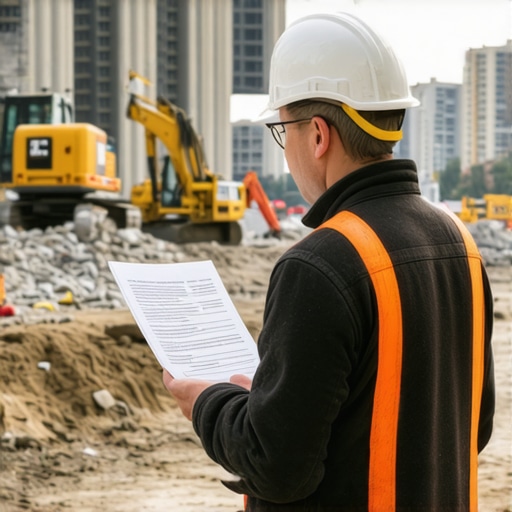
This step is vital. When I reviewed my last bill, I set aside 15 minutes to scrutinize each line item. I pulled up previous estimates and cross-checked the disposal charges. I discovered two separate entries for debris removal in different project phases. To do this effectively, prioritize key terms like “haul,” “disposal,” or “waste” and verify their amounts. If you notice duplicate or similar charges, highlight them for a deeper review. Remember, contractors often include disposal in multiple quotes or phases, unintentionally or intentionally. Carefully doing this upfront saves you from costly surprises later.
Request a Detailed Breakdown from Your Contractor
Never accept a lump sum without explanation. When I suspected redundant disposal charges, I reached out to my contractor requesting a detailed invoice breakdown. Use specific questions, such as, “Can you clarify why debris disposal appears twice in the bill?” or “Could you specify the disposal quantities and corresponding dates?” Proper documentation compels transparency. If your contractor resists or provides vague answers, this flags a red flag. Remember, transparency in billing is your right. This step also helps uncover hidden margins or overlap in service phases.
Compare Estimates With Actual Charges
Another effective move is to compare your initial estimate with the final invoice. I did this by gathering multiple quotes early in my project. When bills arrive, cross-reference each item, especially waste removal. For instance, if my estimate projected $500 for disposal, but the final bill shows $1,000, that’s a sign to investigate. Often, overages result from unanticipated charges, but double billing is a common culprit. Document discrepancies for future negotiations or disputes. This comparison not only reveals overcharges but also boosts your understanding of cost drivers.
Leverage Transparency Tools and Industry Resources
Use online calculators or resources from trusted sites, like estimating costs for home improvements, to benchmark expected disposal fees. Additionally, checking permits or service records with local authorities can verify if disposal charges align with municipal rates. These tools empower you to spot inflated costs or duplicated fees quickly. In my experience, having a reference point made negotiations much easier when I questioned overcharges, especially for waste removal.
Confront and Negotiate Redundant Charges
Once you’ve identified potential overlaps, approach your contractor with your findings. Clearly communicate discrepancies and ask for adjustments or explanations. During my case, presenting my invoice comparison led the contractor to correct a double charge, saving me 20%. Stay polite but firm; contractors often compensate when presented with solid evidence. Remember, your goal is not just to contest a charge but to educate and build a clearer understanding for future projects.
Document Everything for Future Reference
Always keep copies of estimates, invoices, correspondence, and detailed notes on any discrepancies. This documentation is essential if disputes escalate, or you need to seek third-party advice. I stored scanned copies and detailed my review process, which proved invaluable later on. Maintaining organized records streamlines the process of challenging or verifying billing entries and provides leverage should negotiations turn contentious.
Applying these steps might seem meticulous, but they are straightforward and essential for saving money. By examining your bills carefully, demanding transparency, comparing estimates with actual charges, leveraging resources, and documenting your findings, you empower yourself against overbilling. These tactics are your best defense against unnecessary expenses that can inflate your project budget without your knowledge.
Many homeowners approach construction estimates and permitting with a simplistic mindset, believing that a quick quote or a standard permit process will suffice. However, this oversimplification can lead to costly surprises and project delays. One prevalent myth is that all estimates are inherently accurate if provided by a professional, but in reality, estimates often overlook nuances like hidden fees, site-specific challenges, or complex permit requirements.
A common mistake is assuming that permit processes are uniform nationwide. In fact, as detailed in understanding permit processes, local regulations, zoning laws, and municipal fees can vary significantly, impacting both timelines and costs. Overlooking these subtleties can cause project hold-ups, increase costs, or even result in permit denials.
Another misconception involves the estimation of costs for new builds or additions. Many rely solely on square footage or superficial material choices, but expert insights from estimating costs for new builds highlight the importance of considering site conditions, soil stability, and future expansion plans—factors that can drastically alter the final budget if ignored.
Beware the trap of underestimating permit complexity. For example, some homeowners fail to account for necessary studies like soil testing or environmental reviews, which are often mandated for certain locations or project types. These hidden requirements, detailed in permits for additions in 2025, can unexpectedly add weeks or thousands to your project timeline.
So, what mystifies many is the belief that permit approval is a straightforward step; in reality, the process can involve multiple agencies, detailed documentation, and unforeseen hurdles. As permit approval tips suggest, proactive communication with city offices and thorough pre-application research can mitigate delays.
Here’s a question for you: How do you ensure your estimates include all potential hidden costs and permit requirements? As expert guidance emphasizes, detailed research and customization of your planning are vital. Always remember, the devil is in the details, and overlooking these nuances can transform a manageable project into a financial or legal headache.
Would you like to dive deeper into specific permit strategies or estimate accuracy? Check out resources like estimating strategies for home additions to empower your next project. Don’t fall for the illusion of simplicity—know the nuances, and you’ll stay ahead of costly surprises. Have you ever fallen into this trap? Let me know in the comments.
Stay On Top of Maintenance with Smart Tools and Strategies
Maintaining your home, especially after renovations or additions, requires a combination of reliable tools and disciplined routines. From digital software to practical equipment, having the right resources simplifies long-term maintenance, ensures safety, and keeps your project investment protected.
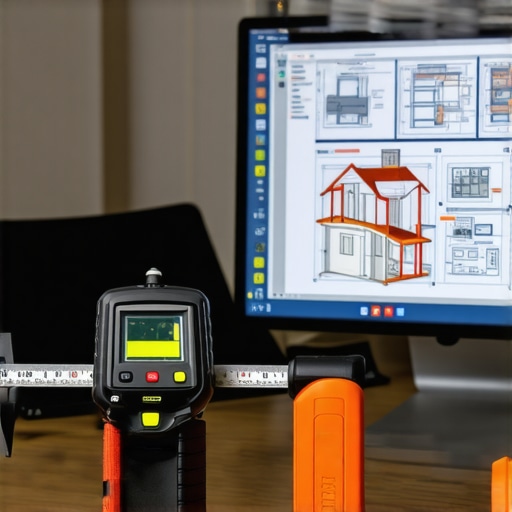
One of my go-to tools is Building Information Modeling (BIM) software. I personally use tools like Autodesk Revit because they allow me to keep detailed, 3D models of my property. This digital twin makes it easy to track updates, plan inspections, or schedule repairs without flipping through confusing paper blueprints. As technology advances, BIM is becoming more accessible to homeowners interested in proactive management, with future trends heading towards even more integrated platforms that connect maintenance schedules directly with smart home systems.
Alongside software, durable handheld equipment is essential. I swear by a high-quality laser distance measurer. It sounds simple, but precisely measuring spaces during inspections or before ordering replacement parts speeds up the process and reduces errors. For instance, when addressing structural issues or planning additions, knowing exact measurements helps in coordinating with contractors or verifying permit requirements. Check out models like the Leica Disto for reliability and precision.
Another critical component is digital leak detection devices. I’ve used electronic leak detectors to catch hidden plumbing issues before they escalate, saving thousands in repairs. These tools are especially useful for detecting moisture intrusion around foundations or beneath slabs, which can lead to long-term damage if unnoticed.
Don’t forget about project management apps. I recommend Trello or Asana for tracking maintenance tasks, deadlines, and inspections. Digitizing your schedule ensures you stay consistent—whether it’s annual HVAC checks, chimney cleaning, or updating decks—and helps avoid costly emergency repairs down the line. My tip: set recurring reminders for seasonal maintenance tasks and attach completed reports or photos for future reference.
As more homeowners embrace smart technology, integrating IoT (Internet of Things) devices into your home monitoring system is set to revolutionize how we manage upkeep. Smart thermostats, moisture sensors, or security cameras can alert you of potential problems in real time, enabling swift action. Experts predict that within the next decade, fully automated maintenance will become standard, reducing manual checks and preventing issues before they develop.
How do I maintain my home over time? I recommend establishing a quarterly check-in routine that combines digital records, physical inspections, and smart device alerts. Document each inspection with photos and notes, and update your maintenance logs regularly, especially if your home is undergoing ongoing modifications or additions.
Finally, investing in quality tools saves money and hassle in the long run. For example, I urge you to try out a detailed estimation technique that incorporates smart device integration into your planning. These advanced tips will empower you to keep your home in top shape, prevent surprises, and extend the lifespan of your property investments.
Suggested prompt for the image:
Lessons That Changed My Approach to Construction Finance
One of the most valuable insights I gained was the importance of meticulous invoice review. Initially, I accepted contractor charges at face value, but uncovering duplicate disposal fees revealed how easy it is to overlook unresolved billing overlaps. This experience taught me to scrutinize every line item, especially waste management charges, before making payments. Additionally, I learned that open communication with contractors can unearth potential discrepancies early on, saving time and money. Embracing transparency and ongoing review became my secret weapons for managing renovation costs effectively.
Tools and Resources That Boost My Confidence
To stay vigilant, I rely on specific tools I trust. Online estimators like cost estimation guides provide benchmarks for disposal fees so I can spot anomalies. Using detailed invoice review templates helps me compare charges against quotes systematically. For permits and regulations, resources such as permit requirement guides ensure I stay ahead of hidden fees and procedural hurdles. These tools have empowered me to challenge overcharges confidently and maintain control over my project budget.
Empower Your Next Move in Building Projects
Remember, understanding and validating every disposal charge is an approachable skill that can protect your finances in any renovation. Armed with the right knowledge, practical tools, and proactive communication, you can prevent costly double billing and other hidden expenses. Your investment in learning these tactics will pay dividends in peace of mind and project success. Don’t hesitate—apply these lessons in your upcoming projects, and take charge of your construction journey with confidence.
What’s been your biggest challenge in managing construction costs? Share your experiences below, and let’s learn from each other’s journeys to smarter building.