Why Your Roof Truss Quote is Missing Bracing Materials
I remember the first time I received a roof truss quote that surprisingly lacked any mention of bracing materials. My stomach sank a little—I knew it wasn’t right, but I didn’t quite understand why. That moment was a lightbulb for me: missing bracing details in estimates can silently sabotage your project, leading to delays, unforeseen costs, or even safety issues down the line. If you’ve ever wondered why your quotes seem incomplete or why your project stalls because of missing info, you’re not alone.
Spotting the Hidden Gaps in Your Roof Truss Estimates
Many homeowners and even contractors face this confounding problem. Often, the root lies in how estimates are prepared. When bracing isn’t explicitly included, it’s easy for it to fall through the cracks, especially if the estimator assumes it’s a standard part of the overall supply. But trust me—assuming can be dangerous.
Is Overlooking Bracing Materials a Legitimate Concern?
Early in my career, I made the mistake of taking a quote at face value, assuming all essential materials were accounted for. Turned out, the contractor had omitted the bracing materials, claiming they were ‘standard’ and included elsewhere. That misstep cost me hundreds when I had to scramble for additional supplies mid-project. It’s a common trap: estimators and homeowners alike forget to double-check what’s explicitly listed. For comprehensive guidance, I recommend reviewing [how to accurately estimate costs for home improvements](https://constructionedgez.com/how-to-accurately-estimate-costs-for-home-improvements), which emphasizes the importance of itemized detail in any quote.
In this post, I’ll walk you through why missing bracing materials can be a silent project killer and how you can easily identify and address this issue before it causes trouble. Ready to get your estimates crystal clear? Let’s dive into the practical steps that will keep your project on track, save you money, and ensure everything is up to code.
.
Assess the Scope with Precision
Start by reviewing the original quote and the project blueprints thoroughly. Treat this like a recipe—you wouldn’t want to bake without all the ingredients listed. Cross-reference the plans with typical building codes to ensure all structural elements, including bracing, are accounted for. My own experience was messy; I once assumed a quote was complete until halfway through the build, only to discover missing bracing, which delayed the project by days.
Break Down Your Cost Components
Identify each material needed for bracing—diagonal panels, hardware, fasteners—and list them separately. Imagine building a LEGO structure: each piece has to be counted precisely. Use a detailed checklist derived from reputable sources like how to accurately estimate costs for home improvements. Doing so prevents overlooking hidden expenses that can escalate costs later.
Request Specific Itemization from Suppliers
When obtaining quotes, ask suppliers to itemize bracing materials separately. This transparency helps you verify if the estimate includes everything or if certain items are bundled elsewhere. Remember, a general quote is like a truckload of groceries—you need to see each item to avoid missing ingredients.
Incorporate Bracing into Your Project Timeline
Schedule time to purchase and install bracing materials explicitly. Similar to planning for a road trip, accounting for fuel stops prevents unexpected delays. I once added extra time for bracing installation, which paid off when weather caused a delay; having the materials ready minimized project downtime.
Validate the Estimate Against Industry Standards
Compare your detailed estimate with industry benchmarks found at estimating home additions. Discrepancies might indicate overlooked needs. Always confirm that your quote aligns with typical costs for the scope, location, and design of your project.
Document and Communicate Clearly
Create a comprehensive document that outlines each material, unit cost, and total for the bracing components. Share this with your contractor or estimator to ensure clarity. My experience shows that clear documentation reduces misunderstandings and confirms everyone agrees on what’s included.
Double-Check Before Signing
Finally, before approving the estimate, review all items twice. Think of it as proofreading a critical email—you can’t afford mistakes at this stage. Cross-verify that the bracing materials are explicitly listed and priced separately. This diligence ensures your project will include all necessary components and stay within budget.
Many believe that a detailed quote is sufficient once it lists materials and labor, but the real nuance lies in how estimators interpret these details. A common myth is that sticking to standard unit costs guarantees accuracy; however, this overlooks regional price fluctuations and project-specific complexities. For instance, overestimating small items like fasteners or underestimating site-specific challenges can dramatically skew the final budget. Expert insights show that precision in estimating is less about the numbers and more about understanding the local context and project intricacies. Failing to account for these nuances often results in ‘oops’ moments, such as surprise cost overruns or permit delays, which could have been avoided with deeper analysis.
One advanced mistake often overlooked is the assumption that all permits and inspections are straightforward, especially in regions with complex zoning laws. According to industry experts, understanding local regulations and their hidden costs can save thousands. Have you ever fallen into this trap? Let me know in the comments. For effective planning, it’s crucial to not only itemize costs but also to anticipate the hidden hurdles that can derail progress, saving time, money, and frustration in the long run.
Keeping Your Equipment in Prime Condition
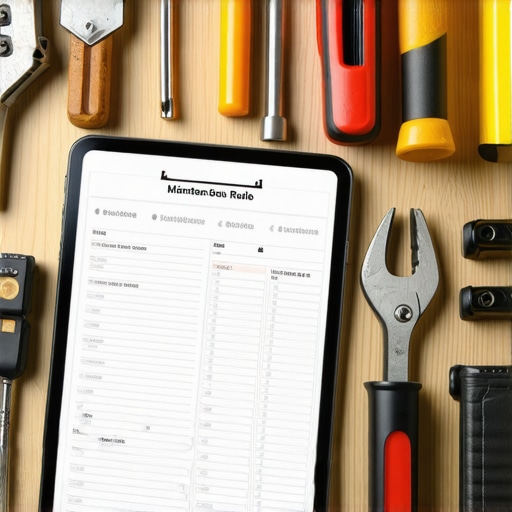
Effective maintenance is the backbone of reliable construction operations. I personally rely on scheduled inspections using a digital tool like MaintenanceManager, which allows me to track service history, set reminders, and manage warranties effortlessly. Regular check-ups on power tools, such as drills and saws, prevent unexpected breakdowns that can stall projects. Additionally, ensuring that safety equipment like fire extinguishers and first aid kits are always stocked and within reach not only complies with regulations but also safeguards your team.
The Power of Smart Tool Organization
Streamlining storage with modular shelving units reduces downtime caused by searching for tools. I recommend labeling storage compartments with clear, durable tags and maintaining a digital inventory database. This approach minimizes lost tools and extends their lifespan by protecting them from environmental damage. Consider investing in security measures like smart locks for high-value equipment to prevent theft.
Adopting Modern Software for Project Oversight
Modern construction management software such as ConstructionEdgeZ helps coordinate tasks, schedules, and budgets digitally. These tools provide real-time updates, enabling proactive adjustments as unforeseen issues arise. Embracing cloud-based solutions ensures access from anywhere, fostering collaboration among team members and stakeholders. As technology advances, integrating AI-driven analytics will further optimize resource allocation and predict maintenance needs.
How do I keep my building permits and inspections on track over time?
Building permits and inspections are critical milestones that require diligent management. Maintaining an organized digital record of all paperwork, deadlines, and correspondence simplifies compliance. Regularly reviewing local regulations via trusted sources like ConstructionEdgeZ ensures you stay updated on code changes. Scheduling pre-inspection checklists and conducting internal audits before official reviews reduce the risk of delays. Over time, establishing a routine for permit documentation and proactive communication with inspectors builds trust and streamlines approvals.
Preparing for Long-Term Results and Scaling
Achieving durable, scalable construction projects depends on continuous improvement. Investing in high-quality tools and regular training enhances team expertise and efficiency. As projects grow, consider modular systems that can expand seamlessly, reducing the need for complete overhauls. Establishing relationships with reliable suppliers and permit officials fosters smoother operations during expansion phases. Remember, the key to longevity is a combination of preventive maintenance, smart management, and ongoing education.
For those looking to deepen their understanding, exploring advanced estimating techniques can provide insights into scaling without compromising accuracy. As technology continues to evolve, staying current with innovations will ensure your projects remain competitive and compliant.
Try adopting a digital maintenance schedule today. It’s a simple yet powerful step toward reducing downtime and extending the lifespan of your tools and equipment. Keeping things running smoothly not only saves costs but also builds a reputation for reliability and professionalism in your projects.
Over the years, I’ve learned that the devil truly is in the details when it comes to roofing projects. Missing out on critical components like bracing materials in your estimates isn’t just a minor slip—it’s a potential nightmare waiting to unfold. By sharing my insights, I hope to help you avoid the pitfalls that caught me off guard early in my career and empower you to approach estimates with confidence.
Lessons from the Trenches That Changed My Approach
- More is Less When It Comes to Assumptions: Assuming standard inclusion can sabotage your project. Always demand specific line items for bracing materials and verify their presence in the estimate.
- Review Blueprints with a Critical Eye: Cross-reference your project plans against local building codes. Sometimes, what seems standard might need explicit mention to meet safety standards.
- Itemize to Maximize Clarity: Break down each component, including hardware and fasteners, to ensure nothing is overlooked. Precise itemization acts as a safeguard against overlooked costs.
- Build Strong Supplier Relationships: Request detailed quotes with explicit inclusion of all necessary materials. Transparent communication reduces surprises during the build phase.
- Embrace Continuous Learning: Staying updated with industry standards and innovations helps refine your estimating skills, preventing costly mistakes before they happen.
Tools and Resources That Keep Me Sharp
- ConstructionEdgeZ Estimating Guides: Their comprehensive approach to cost estimation, especially for home improvements, provides a solid foundation I trust thoroughly.
- Digital Maintenance Platforms: Tools like MaintenanceManager help me track equipment health, preventing delays caused by tool breakdowns—a major hidden cost in any project.
- Cloud-Based Project Management Software: Using collaborative platforms ensures everyone stays aligned, and real-time updates catch discrepancies early.
- Industry Benchmark Reports: Regularly referencing these helps me compare my estimates with market averages, spotting anomalies before they become issues.
Your Next Step Toward Confident Estimating
Empower yourself by adopting meticulous review practices—dig into your estimates, question every line, and don’t settle until everything is crystal clear. After all, accurate roofing estimates don’t just save money; they pave the way for safe, efficient, and successful projects. Remember, the more diligence you put into the front end, the smoother the build will flow. Are you ready to take your estimating skills to the next level? Share your experiences or questions below, and let’s learn together!