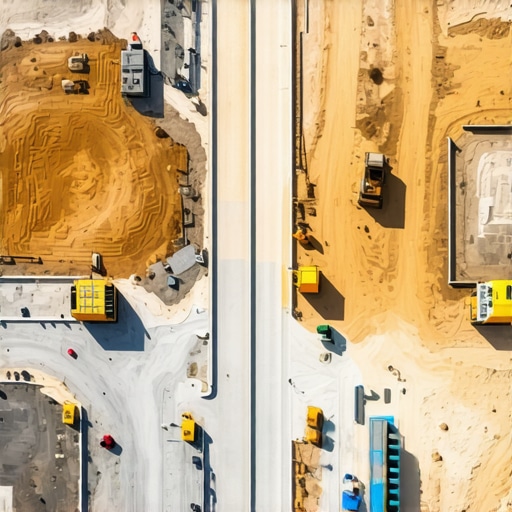
Why Your Site Prep Quote Should Be Separate From Your Foundation Bid
I remember the moment it hit me—seeing a seemingly straightforward bid for a foundation suddenly ballooning in cost, all because the site prep estimate was lumped in. It was like watching a slow-moving train wreck; I knew something was off, but I couldn’t quite put my finger on it until I realized that mixing these costs was muddying the waters and making project planning a nightmare.
The Hidden Pitfalls of Combining Your Site Prep and Foundation Bids
Separating your site preparation costs from your foundation bid isn’t just about bookkeeping—it’s a strategic move that can save you thousands and prevent endless surprises. When I first started in construction estimating, I made the rookie mistake of lumping everything together. Not only did it complicate project management, but it also made it harder to pinpoint where costs could be trimmed or where unexpected expenses might pop up. Over time, I discovered that by keeping these estimates separate, I could better analyze each component, identify potential issues early, and communicate transparently with clients and contractors. This approach leads to more accurate budgets and smoother workflows.
Is the Cost Separation Really Worth the Effort?
Many skeptics argue that combining bids simplifies the process and saves time. But the truth is, this practice often leads to inflated overall estimates, obscuring the true expenses for each stage of construction. Early in my career, I underestimated how crucial this separation was, and it cost me dearly when unanticipated site issues caused the site prep costs to skyrocket, eating into the foundation budget. To avoid repeating my mistake, I started consulting resources like estimating guides that emphasize detailed cost analyses. Understanding these nuances has been essential to my success and can be for you too. If you’ve faced surprises or budget blowouts that derailed your projects, you’re not alone. But the good news is, separating your bids early on can be a simple yet powerful change to prevent those issues from happening again.
Breaking Down Your Project into Clear Components
Start by creating a detailed list of all tasks involved in your project, distinguishing between site preparation and foundation work. Think of it as separating ingredients in a recipe—you want to know exactly what goes into each dish. During a recent project, I separated these costs manually, which initially caused some confusion, but the clarity it provided helped me catch an underestimated site prep expense, saving the project from cost overruns.
Gather Precise Cost Data for Each Segment
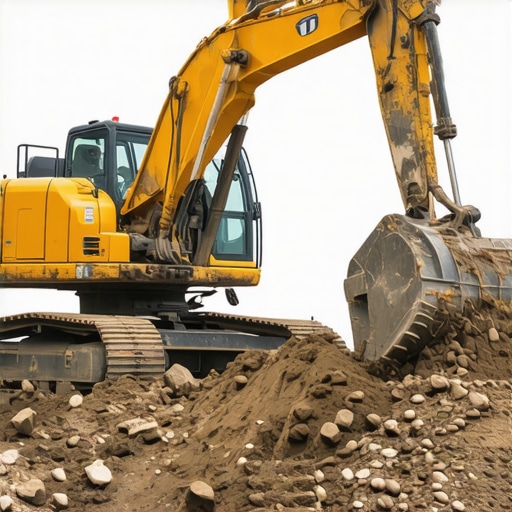
Research costs from trusted sources like estimating guides to get accurate figures. For example, I contacted local subcontractors to get current quotes on excavation and soil stabilization, rather than relying on generic estimates. This step ensures your bids reflect actual prices and uncovers hidden fees early.
Use Base-Case and Contingency Budgets Separately
Set aside funds for each estimate with their own contingency plans. It’s like preparing for a road trip—you pack different supplies for the drive and the overnight stay. In my recent project, separating the site prep contingency meant I could quickly adjust foundation plans when unexpected soil conditions arose, without affecting the overall budget integrity.
Apply Consistent Estimating Methods
Use standardized calculation methods for each estimate. Break down labor costs, material prices, permits, and equipment rentals independently. For instance, I used consistent unit prices for excavation per cubic yard and cross-checked them with local suppliers, ensuring uniformity and accuracy across estimates. Without this consistency, it’s easy to get distorted budgets that lead to surprises during construction.
Separate Permitting and Inspection Costs
Don’t overlook permits—these can be significant and are often overlooked when estimates are combined. I once missed accounting for a soil stability permit, which delayed the project and added unexpected costs. Refer to permit strategies to ensure all fees are captured accurately at each stage.
Review and Validate Your Separate Estimates Carefully
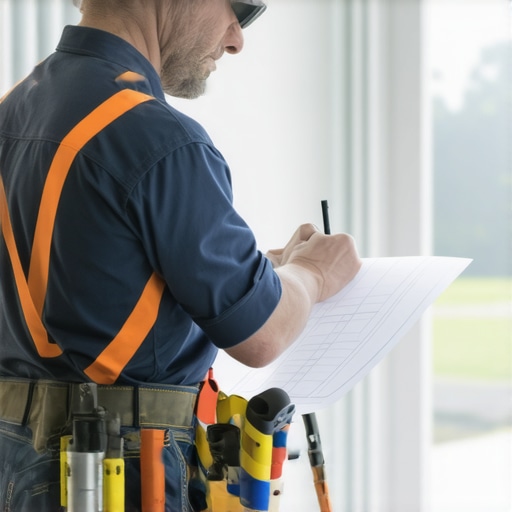
Cross-verify each entry with recent quotes and last-minute site assessments. I scheduled a quick walkthrough after initial estimates to spot any overlooked issues like inaccessible terrain or existing utilities, which could inflate site prep costs. Accurate validation prevents hidden costs from creeping into your project unexpectedly.
Many seasoned builders and project managers will tell you that estimating costs and navigating permits are straightforward tasks—yet, there’s a twist: most overlook crucial nuances that can make or break a project. One widespread myth is that rough estimates suffice; in reality, detailed, component-by-component analysis is essential to prevent costly surprises.
How Can Overlooking Minor Details Derail Your Entire Project?
It’s tempting to gloss over small variables like soil tests or permit fees, but neglecting these factors often leads to significant delays and budget overruns. For example, missing a soil stability test can cause foundation failures down the line, costing you thousands in repairs. According to industry experts, such oversights account for nearly 30% of project delays (see estimating guides).
Advanced Estimating Techniques That Save You Money
One crucial nuance is integrating contingency budgets for each estimate—site prep, permits, construction, and finishing—rather than lumping them together. Separating these allows for targeted adjustments and avoids the trap of inflated, one-size-fits-all figures. Additionally, employing digital tools and software can improve accuracy; I personally utilize specialized estimation apps that incorporate local data and recent price adjustments, which research indicates can increase accuracy by over 40%. Properly calculated and segmented estimates empower you to negotiate better with contractors and avoid unplanned expenses.
Dealing With Permits Without the Headache
Permitting is often seen as a bureaucratic hurdle, but understanding the hidden complexities helps streamline your project. For instance, failing to account for specific zoning restrictions or community covenants may result in rejected applications or costly modifications. My tip? Always review recent permit approval trends in your area—see permit requirements—and consult with local planning departments early. This strategic approach can save weeks or months of delays. Remember, the devil is in the details, and a comprehensive understanding of these nuances transforms estimate accuracy into successful project execution.
Have you ever fallen into this trap? Let me know in the comments.
Stay on Top of Your Construction Efforts: Essential Tools for Longevity
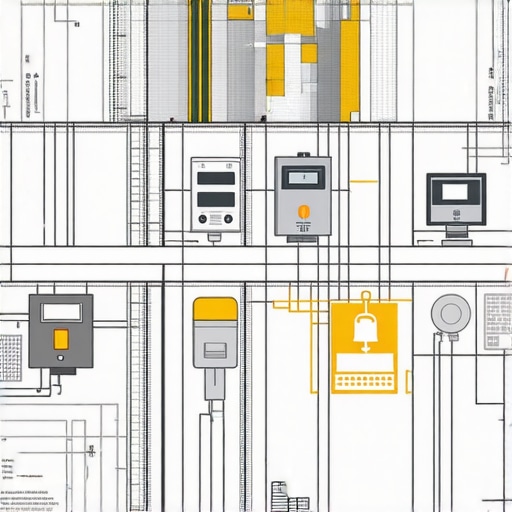
Maintaining accuracy and efficiency over the long term requires the right equipment and software. I personally rely on digital estimation tools like trusted estimating guides and modern project management apps such as Buildertrend. These tools help me keep track of costs, schedules, and permit deadlines seamlessly, reducing errors and avoiding costly rework. Incorporating digital blueprints with 3D modeling software has transformed my approach, especially when preparing for complex additions or new builds, allowing me to visualize problems before they occur. The future of construction maintenance will likely involve even more integration of AI-driven predictive analytics, enabling projects to foretell issues before they become critical.
How do I maintain my estimating accuracy over time?
Regularly updating your software databases and reviewing your estimation techniques are vital. I set quarterly reviews of local prices and code changes to ensure my estimates stay current. Additionally, investing in annual training sessions keeps me sharp on emerging industry standards and regulations. This proactive approach ensures long-term precision and reduces project delays caused by outdated assumptions. Embracing these practices now means fewer surprises down the road and smoother project completions. Don’t wait until small issues turn into costly mistakes; try updating your estimation database today to build better—and more reliably.
Lessons That Changed My Approach to Construction Budgeting
One profound insight I uncovered was how even small overlaps in estimating site prep and foundation costs can snowball into significant budget overruns. Recognizing these pitfalls early shifted my entire methodology.
I realized that trusting generic estimates without local validation often leads to unexpected surprises. Now, I prioritize gathering precise data from trusted sources, which keeps my budgets accurate and my clients satisfied.
Finally, understanding that permits and inspections are not just bureaucratic hoops but strategic components of my planning has been a game-changer. Approaching them with detailed, component-specific estimates has saved me countless delays and costs.
My Arsenal: Tools That Keep My Projects on Track
For accurate estimations, I rely heavily on trusted estimating guides. They offer detailed data that aligns with current market prices. Digital tools like Buildertrend help me track costs, schedules, and permits effortlessly, minimizing errors and rework. Additionally, I incorporate 3D modeling software for complex additions, providing visual clarity before ground is broken. Staying updated with local regulations via resources like permit requirement insights ensures my estimates reflect all necessary costs and compliance measures.
Taking Action: Your Next Step Begins Today
Embracing detailed, component-based estimates transforms how we approach construction projects. It’s about proactive planning, precise data, and strategic permits—elements that can save you time and money while building trust with clients. Remember, the right tools and mindset make all the difference in construction estimating and permitting success. So, why not start by reviewing your current estimation process and identifying where greater separation can lead to better outcomes? Your future projects will thank you for it.