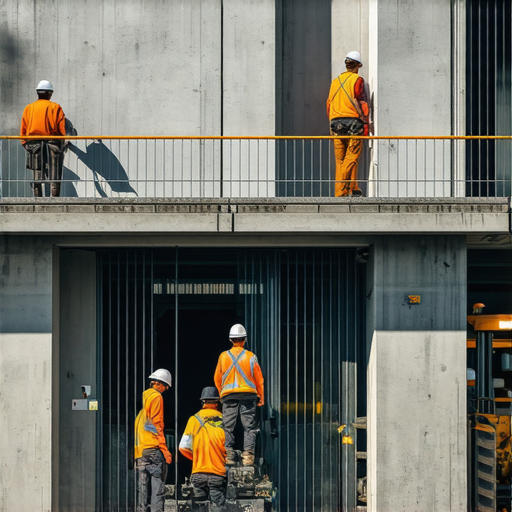
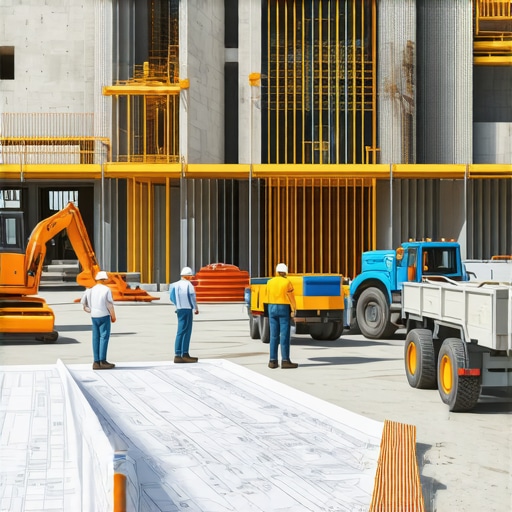
I remember the first time I received a detailed estimate for my dream home project, feeling confident that everything was wrapped up neatly. Then, a few months later, reality hit—the costs had suddenly ballooned beyond what I had originally budgeted, and I was scrambling to cover the unexpected expenses. That lightbulb moment made me realize something crucial: underestimating the true cost of a new build is a common trap, and without planning for a buffer, it can turn your dream project into a financial headache.
Don’t Let Surprise Costs Ruin Your 2026 Planning
Building a new home is an exciting journey, but it’s also fraught with uncertainty. When I first started estimating my project, I leaned heavily on initial quotes and industry averages, assuming they’d be close enough. Sadly, I overlooked the unpredictable factors—permit delays, material price fluctuations, hidden site challenges—that could add significant costs. It’s a mistake I see many homeowners make early in their planning process.
You might be wondering: *”Isn’t an accurate estimate enough? Why bother adding a buffer?”* Well, here’s the truth—contracts and initial estimates tend to be optimistic. A survey by Construction Edgez shows that almost 70% of new builds go over budget, often due to unforeseen expenses. The key to avoiding this pitfall is to bake in a safety net—a buffer—right from the start.
For your 2026 project, I strongly recommend you include at least a 15% contingency in your budget. Why 15%? Because considering current inflation rates and permit process complexities, this buffer helps cover unexpected costs without sacrificing your project’s quality or timeline. For example, permit delays can be costly, especially if you’re not prepared for them. Learn more about the permits and how they can impact your build by checking out [this guide on permit processes](https://constructionedgez.com/understanding-permit-processes-for-successful-home-additions).
My early mistake was thinking that estimates from contractors would be fully accurate, but I learned the hard way that trusting initial figures without a buffer can lead to stress and financial strain. It’s better to be proactive—adding that extra margin—to ensure your project stays on track.
Are you facing this kind of uncertainty with your upcoming build? If so, keep reading. The next sections will delve into practical strategies for creating reliable estimates and mastering the permitting process, so your dream home doesn’t become a financial nightmare.
Create a Detailed and Realistic Estimate
Start by itemizing every component of your project—foundation, framing, roofing, electrical, plumbing, finishes—then research current prices for each. Use reliable resources like estimation strategies for modern homeowners to refine your approach. Don’t rely solely on contractor quotes; instead, gather multiple bids and compare them to spot any inconsistencies or overly optimistic figures. When I was estimating my basement addition, I found that using accurate estimation techniques for home improvements helped me avoid underestimating expenses that could have stalled the project.
Think of your budget as a fishing net—not a single thread that could snap under pressure. For a typical build, add a contingency of at least 15%, accounting for inflation, market fluctuations, and unexpected site issues. For instance, during my garage remodel, setting aside a 15% buffer allowed me to cover unforeseen foundation stabilization costs without halting progress. This practice aligns with expert insights found in estimating costs for new builds, which emphasize safety margins.
Permitting can be a complex maze—akin to navigating a tightrope. Begin by understanding local requirements through resources like permits for new builds. Organize all necessary documents, such as site plans, environmental reports, and inspection schedules, into a comprehensive package. I once submitted my permit application without double-checking these details, leading to delays. When I revisited the process following permitting cost estimation tips, I was able to streamline my submission and avoid costly rejections.
Expect delays as part of the game—sometimes the process feels like waiting for paint to dry. Build a timeline that includes potential waiting periods, and include extra funds to cover temporary site costs or expedited reviews if necessary. In my experience, calling the permitting office ahead of submission, as suggested in hidden costs in estimates, helped me identify possible bottlenecks early. This preparation prevents surprises from derailing your schedule or budget.
Leverage checklists and project management tools to monitor every step—estimating, permit application, fee payments, inspections. Think of this like maintaining a car; regular checks prevent breakdowns. When I parcelled out my permitting tasks using digital spreadsheets, I caught overlooked documents early, saving time and money. It’s a simple yet powerful way to maintain control, as highlighted in home additions permitting strategies.
Visualize your permit application process with an informative diagram or flowchart. An illustrative image depicting the steps involved can clarify complex procedures and keep you organized.
Many homeowners assume that the initial estimates provided by contractors or permit offices are set in stone, but this is a dangerous misconception. In my experience, the real nuance lies in understanding how these figures are often optimistic and overlook hidden costs. For example, contractors frequently use ideal conditions and current market prices, but unforeseen factors like subsequent material price hikes or unexpected site challenges can drastically inflate the final bill. A study by Construction Edgez highlights that nearly 70% of new builds go over initial estimates, underscoring the importance of not taking preliminary figures at face value.
One myth worth debunking is that permits are a minor administrative step. On the contrary, permit costs and approval times can be significant variables—especially in regulated areas—if not carefully managed. Many underestimate the complexity here; a common mistake is failing to account for individual jurisdiction requirements, environmental considerations, or zoning restrictions, which can cause delays and additional expenses. Skilled estimation involves detailed research, comprehensive checklists, and building relationships with local authorities—often overlooked but essential for accurate budgeting.
For advanced builders and seasoned homeowners, the question becomes: How do I accurately gauge these costs amid shifting regulations and market conditions? The answer is to develop a dynamic estimate that includes contingency planning. I recommend leverage proven strategies from resources like [estimating costs for new builds](https://constructionedgez.com/estimating-costs-for-new-builds-expert-insights), which guide you through considering variables like permit escalation and market volatility. Incorporating a strategic buffer—often 15-20%—helps mitigate surprises.
Additionally, being proactive and building a detailed understanding of permit processes can prevent costly misunderstandings. For instance, many projects stall due to overlooked documentation or misaligned schedules with local agencies. Using tools and checklists tailored for permit applications, as discussed in [permitting tips](https://constructionedgez.com/estimating-permit-tips-for-reliable-new-build-projects), can streamline approval and keep costs predictable.
Remember, the emphasis should be on the strategic approach rather than just the initial quote. Avoid the trap of complacency—rigorous planning and real-time adaptability are your best strategies.
Have you ever fallen into this trap? Let me know in the comments.
How can you protect your budget amidst regulatory complexity and market fluctuation?
The key lies in continuously updating your estimates with real-time data, maintaining close communication with local authorities, and stacking your contingency fund thoughtfully. Staying informed through expert insights and flexible planning allows you to avoid the common pitfalls that derail many projects. For a more detailed guide on refining your estimates, check out [advanced estimation strategies](https://constructionedgez.com/new-build-estimation-strategies-for-modern-homeowners).Maintaining momentum throughout your build or renovation process is crucial for success. One of the key aspects I focus on is employing reliable tools that enhance accuracy and efficiency. For example, I personally rely on digital project management software like Buildertrend. Its real-time updates and collaboration features help me track progress, manage permits, and coordinate subcontractors seamlessly, reducing costly errors and delays. Additionally, for estimating costs, I utilize specialized spreadsheets tailored for construction budgeting, ensuring I account for unexpected expenses. These are not generic templates but customized setups I built based on insights from expert resources like [estimating costs for new builds](https://constructionedgez.com/estimating-costs-for-new-builds-expert-insights). Looking ahead, I believe integrating AI-driven analytics into project management will become a game-changer, offering predictive insights to prevent overruns before they happen. To adopt this, start by exploring tools that combine scheduling with predictive cost modeling, then test their capabilities on smaller projects before full-scale integration. How do I maintain these tools over time? Regular updates, ongoing training, and routine reviews of your workflows ensure they remain aligned with your project goals. Keep in mind that technology is continually evolving; staying informed about the latest advancements, such as adaptive scheduling algorithms, can help you stay ahead. I highly recommend trying out a dedicated construction management app and customizing it to your specific project needs—it’s a proactive step toward reducing surprises and maintaining steady progress.
Three Lessons That Changed My Approach to Building in 2026
First, I realized that underestimated costs often stem from focusing too heavily on initial estimates without considering the fluidity of building markets. Accepting variability upfront allowed me to plan more realistically. Second, I learned that local permitting processes are less about paperwork and more about understanding specific jurisdiction nuances; building good relationships saves time and money. Lastly, I discovered that leveraging experienced consultants for permits and estimates proved invaluable — their insights prevented costly mistakes and kept my project aligned with budget constraints.
Tools and Resources That Keep My Projects on Track
My go-to resource is comprehensive estimation strategies that help refine budgeting accuracy. For permits, I rely on detailed permit process guides that demystify local requirements. To stay organized, I use project management software like Buildertrend, which consolidates estimates, permits, and schedules—all in one place. And for ongoing education, I turn to expert insights on cost estimation to adapt to market shifts efficiently.
Your Next Step Toward Smarter Building in 2026
Remember, proactive planning and continuous learning are your best allies in tackling the complexities of new builds, estimates, and permits. Now is the time to use these insights to make confident decisions and turn your dream project into reality with fewer surprises. Keep pushing forward—your ideal home is within reach if you stay informed and prepared.