The Red Flags in a Quote That Prove Your Contractor Is Guesstimating
I’ll never forget the moment I realized I was being fed a line. It was during a renovation project where my contractor’s estimate came in way too conveniently low—so low, I suspected they were just guesstimating rather than calculating. That lightbulb moment hit me hard, and I knew I wasn’t alone in this cycle of uncertainty. If you’ve ever felt uneasy watching a bid shift before your eyes or heard the term “rough estimate” thrown around without clarity, you’re not just imagining things.
Why Contractors’ Guesstimations Can Drain Your Budget
In my experience, the biggest risk lies in trusting estimates that sound too good to be true. Guesstimating isn’t inherently malicious, but it becomes dangerous when used to hide unforeseen costs or to cover up a lack of detailed planning. The problem is, many homeowners only realize they’ve been guesstimating too late—after paying more than expected or facing permit setbacks. Early detection of these red flags isn’t just helpful; it can save you thousands.
Are Contractors’ Quotes Actually Worth the Hype
In my early days, I made the mistake of accepting estimates without verifying their basis. I thought I was saving time by trusting their word—and it backfired. The key is to look out for vague language, overly broad figures, or a lack of detailed breakdowns. A comprehensive quote should include specific item costs and methodologies, not just ballpark figures. If you’re unsure whether your contractor’s estimates are realistic, check out our guide on accurately estimating costs. Remember, transparency is your best armor against surprises.
Break Down Your Project into Clear Phases
Start by dividing your renovation or new build into smaller, manageable steps such as site prep, foundation, framing, and finishing. For example, I once aimed to renovate my kitchen and bath simultaneously, but splitting it into distinct phases revealed hidden costs in each. Use detailed checklists to visualize each step’s scope, which helps prevent overlooked expenses and sets realistic expectations.
Gather Detailed and Itemized Quotes
Request multiple bids from contractors, emphasizing the need for comprehensive, itemized estimates. When I replaced my roof, I asked for a breakdown of materials, labor, permits, and disposal. This way, I identified unnecessary line items and avoided inflated charges. Always compare quotes on a like-for-like basis to ensure transparency and spot discrepancies efficiently.
Dig into Contract Language and Cost Assumptions
Carefully review contracts for vague terms like “additional work as needed.” I learned this the hard way when a contractor added unexpected foundation work after signing. Look for clear scope definitions, agreed-upon materials, and specific allowances. Clarify assumptions—such as load-bearing capacity and site conditions—to prevent surprise costs down the line.
Understand Permitting and Codes Early
Permits can make or break your project timeline—and budget. Study your local regulations using resources like permits for new builds. For my extension, I submitted detailed plans aligned with zoning rules to avoid delays. Investing time upfront in permit research mitigates costly rework and keeps your project compliant.
Coordinate Multiple Contractors and Trades
Plan work sequencing carefully to avoid overlaps and gaps. I coordinated my crew to avoid scheduling conflicts that could cause downtime. Use a visual timeline or Gantt chart to ensure each phase is completed before the next begins. This reduces inefficiencies and prevents cost overruns caused by miscommunication.
Forecast Unexpected Expenses and Build Contingencies
Always add a contingency fund—typically 10-20%—to your budget. During my deck upgrade, unforeseen soil issues necessitated additional underpinning, which I hadn’t anticipated. Keeping a buffer allows flexibility and prevents project halts when surprises occur. Regularly review actual costs against your estimates to adjust your budget proactively.
Leverage Expert Resources and Support
Consult professionals or online guides for accurate estimating techniques. I used how-to-accurately estimate costs and found it invaluable. For complex projects like foundation work, consider hiring a licensed estimator for precise calculations. Their input can significantly reduce errors and save money long-term.
Monitor Progress and Adjust as Needed
Regularly review your project’s progress with detailed reports and adjust estimates based on actual work completed. During my renovation, tracking labor and material costs weekly helped me identify and correct budget overruns early. Transparency and ongoing updates ensure you stay on track financially and schedule-wise.
Stay Informed on Regulations and Costs
Keep up-to-date with local code changes and market trends. Changes in material prices or new zoning laws can impact your budget. I regularly checked permit requirements for additions and adjusted my estimates accordingly. Proactive research is key to avoiding costly mistakes.
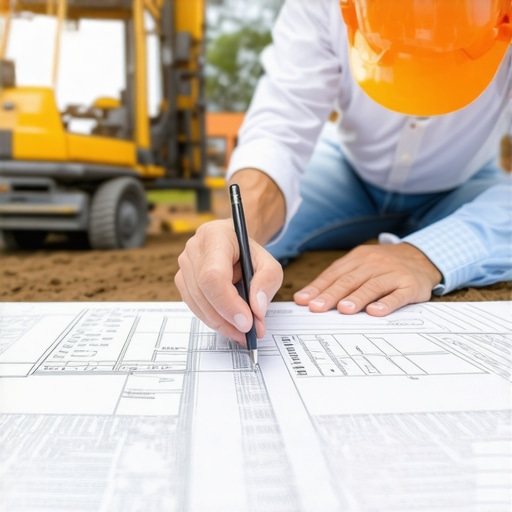
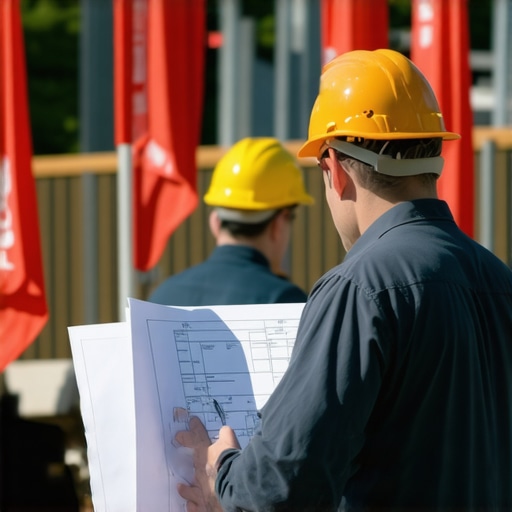
” alt=”Construction project planning with detailed estimates” title=”Detailed project plan and cost estimate diagram”/>While many homeowners believe that obtaining permits and estimating costs are straightforward tasks, the reality is far more nuanced. One common misconception is that standard codes and average estimates suffice for unique projects. However, each addition often involves complex variables—such as soil conditions, existing structural loads, or specialized materials—that generic guidelines overlook. By relying solely on standard procedures, you risk underestimating costs or missing critical permit requirements, leading to delays and unexpected expenses. I’ve seen cases where homeowners assumed their extension was a simple upgrade, only to discover later that specific seismic or fire-resistance standards applied, significantly altering the scope and cost. To navigate these pitfalls, it’s essential to approach your project with a mindset of detailed customization and proactive research. For instance, understanding how local zoning laws and recent code updates impact your plans can prevent costly redesigns. Dive into our comprehensive permit guides to uncover nuances often missed. Conversely, many believe that estimates from contractors are always accurate, but without rigorous verification using resources like cost estimation guides, you may fall prey to inflated or padded quotes. Advanced homeowners even consider third-party assessments or peer reviews to validate bids. A critical trap to avoid is assuming all projects follow a linear path; unforeseen site conditions, such as hidden utilities or soil instability, can dramatically shift timelines and budgets. External experts, like geotechnical engineers, can provide crucial insights that save you from costly surprises. Remember, the devil is in the details—skipping over specifics can turn a dream addition into a financial nightmare. Think beyond the basics and scrutinize every aspect, from permit application intricacies to precise cost breakdowns. Want to ensure your project stays on track? Check our step-by-step estimation guide tailored for modern homeowners. Real progress comes when you challenge assumptions and dig into the specifics. Have you ever fallen into this trap? Let me know in the comments.
Keeping It Working: Tools and Techniques for Long-Term Success
Managing a home addition or new build isn’t a one-and-done task; it requires ongoing maintenance and the right tools to keep everything functioning smoothly over time. From specialized equipment to robust software, I’ve honed a set of tools that help me monitor, repair, and scale my projects efficiently. Staying proactive in maintenance ensures your investment remains solid and avoids costly surprises down the line.
Power Tools for Routine Maintenance
First, I swear by my cordless multi-tool for small repairs—whether it’s trim adjustments or fixing loose fittings. Its versatility saves me from having to switch between multiple devices. For more significant tasks, a high-quality rotary hammer drill is invaluable, especially when dealing with concrete or masonry. I chose a model with variable speed control, allowing precision when drilling or chipping mortar. Remember, investing in reliable brand tools like Makita or DeWalt means they’ll last longer and perform better, minimizing downtime.
Smart Sensors for Long-Term Monitoring
Next, I embrace smart home sensors that monitor humidity, temperature, and even structural shifts. Installing moisture sensors in basements or crawlspaces provides early alerts to prevent mold or wood rot. These sensors sync with apps on my smartphone, so I get real-time updates no matter where I am. Such proactive monitoring can extend the lifespan of your structure and reduce repair costs. As the trend moves toward IoT integration in construction, I predict more homeowners will adopt these systems to keep their properties in check better.
Effective Software for Estimating and Scheduling
Beyond physical tools, advanced construction management software has transformed my approach. I rely on platforms like PlanGrid or Buildertrend to organize schedules, track budgets, and manage permits all in one place. These tools allow me to update project timelines dynamically—crucial when unforeseen issues like soil condition anomalies necessitate schedule adjustments. Using these tools consistently helps prevent scope creep and keeps projects on budget, which is especially vital during scaling phases or when securing permits for expansions.
How do I maintain what’s built over time?
Regular inspections paired with preventive maintenance are the backbone of durability. I schedule seasonal checkups to inspect the roof, foundation, and exterior cladding. Applying protective coatings, like high-quality sealants on wood or concrete, preserves materials against weathering. If you’re planning a long-term build, consider investing in a comprehensive maintenance plan that includes routine assessments and repairs. Leveraging tools such as moisture sensors or software tracking can provide actionable insights—helping catch issues early before they escalate. For example, staying on top of permit and inspection requirements is critical; you can review best practices in our guide on navigating the permit process.
” alt=”Home maintenance tools and digital monitoring devices” title=”Essential tools and software for home project maintenance”/>
Future of Home Maintenance: Smarter, Faster, More Precise
As technology evolves, I believe more homeowners will adopt AI-driven diagnostics and automated repair systems, making maintenance less reactive and more predictive. Staying ahead means embracing these innovations now, perhaps starting with a smart moisture sensor or scheduling software that integrates with your calendar. Ready to improve your home’s longevity? Try optimizing your routine by integrating one advanced monitoring device today—your future self will thank you.
Lessons That Changed How I Approach Home Extensions
- Clarity Saves Thousands: I learned early on that vague estimates lead to surprises. Always demand detailed breakdowns from your contractor to identify hidden fees.
- The Permit Maze Can Be Navigated: Understanding local regulations ahead of time prevents costly delays. Taking the time to research permit requirements turned my project around and kept it on schedule.
- Fix Your Foundation, Fix Your Budget: Neglecting soil conditions or foundation design can double costs. A small investment in expert soil testing saved me from major structural issues later.
- Embrace Phased Planning: Breaking a large project into smaller steps revealed overlooked costs and improved my focus on each stage’s needs.
- Proactive Monitoring Matters: Regularly reviewing progress and costs enabled me to catch deviations early, saving money and stress.
My Essential Toolkit for Home Addition Success
- Construction Estimation Software: I trust tools like EstimatorPro for its accuracy and ease of use in budgeting.
- Soil Testing Services: Local geotechnical labs provided reliable analyses that prevented unforeseen foundation issues, saving me thousands.
- Permit Guidance Resources: The comprehensive guides on permit processes helped me streamline approvals and avoid delays.
- Project Management Tools: Platforms like BuilderTrack kept my schedule and budget transparent and manageable.
Don’t Wait for the Perfect Moment to Begin
Embarking on home additions or new builds is a journey filled with learning and adjustment. Confidence comes from preparation, research, and the willingness to adapt. Every project teach me something new—don’t let fear or uncertainty hold you back. Dive into your plans, leverage the right tools, and stay informed. Your ideal space is within reach if you approach it with enthusiasm and strategic insight. What’s one step you’re excited to take next in your home improvement journey? Let me know below.