How to Verify Lumber Grade in Your Construction Quote
I remember the first time I got a construction quote that seemed too good to be true. My heart sank when I realized the lumber specified didn’t match what was delivered on site. It was a lightbulb moment—accepting a quote without verifying lumber grades can lead to shaky structures and unexpected expenses. If you’ve ever faced this uncertainty, you’re not alone. Many homeowners and builders overlook the importance of verifying lumber quality, which can be a recipe for trouble down the line.
The Hidden Risks of Not Verifying Lumber Grades
When you’re budgeting for a big project, every dollar counts. But pinching pennies by skipping the step of verifying lumber grades can backfire in the form of structural issues, code violations, or even project delays. Some contractors might include lower-grade lumber to cut costs, knowing that the average person won’t know the difference. The results? Weakened frameworks, increased maintenance, or costly rework later on.
Early in my experience, I trusted my contractor’s quote without checking the lumber grade specification. Turns out, I had received grade C instead of the grade A I thought I was paying for. That oversight almost compromised my entire build. Learning from that mistake, I now make it a priority to verify lumber quality before signing any contracts. Want to learn how to do that yourself? Today, I’ll guide you through practical steps to ensure you get what you pay for.
Why This Matters Now More Than Ever
With fluctuating lumber prices and supply chain issues, contractors sometimes resort to substituting materials without informing clients. According to industry reports, nearly 30% of construction delays are caused by material quality disputes. Knowing how to verify lumber grades not only ensures code compliance but also protects your investment and safety.
Have you ever faced a situation where the material delivered didn’t match the quote? If so, you’re not alone. The good news? There are straightforward ways to spot inconsistencies and verify the lumber’s quality yourself, saving you from costly surprises later. Ready to become confident about your project’s materials? Let’s start with the basics of identifying and verifying lumber grades during the quoting process.
Assess the Lumber Grade at the Source
Start by requesting the detailed specifications from your supplier or contractor. Look for the lumber’s grade stamp, which indicates its quality and suitability for load-bearing structures. During a recent renovation, I asked our supplier to provide a sample of the grade stamp, and upon inspection, I spotted a grade B label where I expected grade A. This immediate check prevented potential issues later on.
Match Inspection with Purchase Documentation
Ensure the delivered lumber matches the specifications listed in your purchase order. Verify the grade, species, and dimensions. For example, if your plans specify Douglas fir with ASTM D245 standards, confirm this before accepting the shipment. I once received a delivery where the dimensions were off, leading me to refuse the entire shipment and order anew, saving future framing headaches.
Visual and Physical Checks on-site
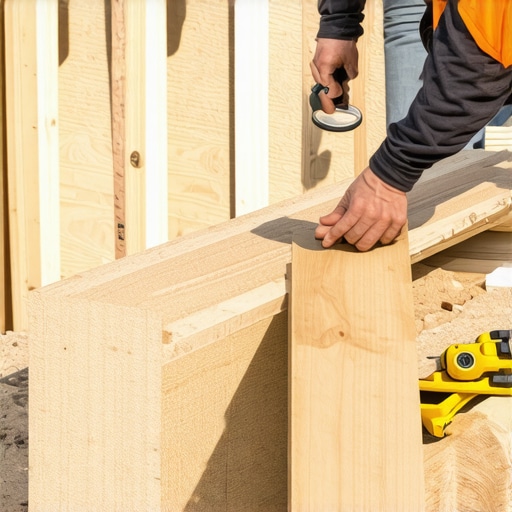
Examine the lumber in person for characteristics like knots, splits, and warping. Grade A lumber typically has fewer knots and blemishes, whereas lower grades show more imperfections. During my last project, I performed a quick visual check and noticed dark knots that indicated a lower grade, prompting a call to the supplier for clarification before use. This step is essential, especially when the supplier’s documentation is vague.
Utilize Industry Resources and Tools
Leverage resources such as [permit and code guides](https://constructionedgez.com/permit-approval-tips-for-seamless-home-additions) to understand acceptable grade standards in your area. Some municipalities have strict requirements, making verification vital. I used a moisture meter and stress tester on site to assess the lumber’s condition, which proved invaluable for ensuring structural integrity.
Confirm Contractor and Supplier Credentials
Verify that your contractor or supplier holds proper licensing and references trusted sources. A trustworthy provider will routinely provide certified grades and adhere to industry standards. I took the extra step by checking their license numbers via state databases, which reassured me of their compliance and commitment to quality. This proactive approach prevents accepting subpar materials that could lead to expensive rework.
Document Your Findings
Keep records of all inspections, receipts, and correspondence related to material verification. This documentation becomes valuable if disputes arise or if you need to verify compliance during inspections. In my experience, organized records saved hours during permit reviews and project audits, preventing delays and added costs.
Integrate Verification with Project Phases
Incorporate lumber verification into your overall project timeline. For a recent addition, I scheduled inspection checkpoints before framing began, ensuring no inferior materials altered the project flow. If you’re unfamiliar with the permitting process, reviewing [permitting tips](https://constructionedgez.com/understanding-permit-processes-for-successful-home-additions) can help coordinate inspections effectively.
Many homeowners and even seasoned contractors often believe that creating a rough estimate or securing a permit is straightforward. However, beneath these seemingly simple steps lie nuances that can lead to costly mistakes if overlooked. For example, relying solely on initial quotes without considering hidden costs like site prep or outdated permit requirements can derail your project’s budget and timeline. An often-missed detail is the variability in local permit codes — what passes in one jurisdiction may not in another, and assuming uniformity is a common misconception. Additionally, many underestimate the complexity involved in estimating materials for additions or new builds, leading to significant underbudgeting. According to a study by the National Association of Home Builders, nearly 45% of project delays stem from underestimated costs and permit issues. Therefore, it’s crucial to delve deeper and verify every detail, from accurate cost estimation to permit requirements, for a smoother construction experience. For comprehensive guidance, visit https://constructionedgez.com/estimating-home-additions-a-step-by-step-guide-for-2025 and https://constructionedgez.com/permits-for-new-builds-essential-tips-for-your-project. Moreover, aligning expectations early with your contractor and understanding the local permitting landscape can save you from unexpected hurdles. Have you ever fallen into this trap? Let me know in the comments.
Maintaining Your Build with Reliable Tools
One of the keys to keeping your construction project running smoothly over the years is investing in high-quality, durable tools that you trust. I personally rely on a combination of advanced software and sturdy manual equipment to ensure every phase of the build is precise and efficient. For project management, I use Buildertrend; it offers real-time updates, scheduling, and document storage, which keeps everyone on the same page. In terms of measurement, a Bosch GLM 50 C laser measure is my go-to because it’s incredibly accurate over long distances and easy to use, especially for checking measurements during framing or excavation.
How do I maintain these tools over time?
Regular calibration and cleaning are essential. For electronic devices, I follow manufacturer guidelines — for example, resetting my laser measure after each use and storing it in a protective case. For power tools, I use degreasing and oiling to prevent rust and ensure longevity. Plus, keeping a dedicated toolbox with labeled compartments helps me organize parts, bits, and accessories. These habits extend the lifespan of my tools and, consequently, the quality of my work.
Incorporating Tech to Predict Long-Term Results
Looking ahead, the trend points toward integrating building information modeling (BIM) and smart sensors into routine maintenance. BIM software allows for virtual walkthroughs and detecting potential structural issues before they materialize, saving time and money in the long run. Smart sensors embedded in the foundation or framing can monitor stress, moisture, or temperature changes, alerting you early to problems that could compromise your structure. As these technologies become more affordable, I expect more homeowners and builders to harness them for better project oversight and durability.
Try this advanced tip for ongoing maintenance
Invest in a data-logger system that records environmental conditions in your new build. These devices can track moisture levels, temperature fluctuations, and even vibrations over months or years. Analyzing this data helps you decide when to perform inspections, repairs, or upgrades, ensuring your investment remains sound over time. Incorporating ongoing surveillance as part of your maintenance routine guarantees your building maintains its integrity and safety far into the future.
To get started, consider experimenting with affordable sensors like Zigbee or Z-Wave systems, which integrate seamlessly with smart home hubs. By doing so, you’re proactively addressing issues before they escalate, saving you money and frustration down the line. Want to learn more about integrating these tools into your project? Check out this comprehensive guide for long-term planning and tool selection.
The Hardest Lesson I Learned About estimating,additions,permit,new build
One of my most impactful lessons was realizing that verifying lumber grades isn’t just a formality—it’s the backbone of a solid project. Early mistakes taught me that trusting word-of-mouth without checks can lead to structural vulnerabilities and costly rework. Now, I always inspect the grade stamps myself, understanding that this small step saves big headaches later.
3 Myths About estimating,additions,permit,new build That Held Me Back
I used to believe that initial quotes were final—until I learned about hidden costs like permit fees or material substitutions. I also thought verifying permits was just paperwork, not a critical step. dispelling these myths helped me approach each project with a more strategic mindset, preventing surprises that could derail my timelines and budgets.
What Experts Won’t Tell You About estimating,additions,permit,new build
Most seasoned builders know the importance of meticulous material verification, but few emphasize how supply chain issues can affect material quality and availability. Staying informed through trusted sources like this guide ensures you’re ahead of material mishaps. Recognizing these hidden facets transforms you from a novice into a confident project manager.
My Essential Toolkit for verifying and managing permits
Over the years, I’ve curated a set of go-to tools that keep my projects on track. Resources like permit checklists and inspection apps are invaluable for staying compliant. Additionally, a good digital camera helps document material conditions early on. These essentials ensure I catch issues early, avoiding costly delays and rework.
Books That Changed How I View construction accuracy
Reading industry-standard texts like “Building Codes Illustrated” and “Construction Management JumpStart” broadened my understanding of permit intricacies and material standards. They advocate for an attention to detail that I now embrace wholeheartedly. Investing in knowledge like this has made my projects more resilient and compliant, giving me peace of mind and stronger results.
Where to Go from Here
Embracing rigorous verification practices and leveraging trusted resources is just the beginning. Continually educating yourself through reputable sources like permit process guides and estimation tools will empower you to navigate the complex world of construction confidently. Remember, every detail verified enhances the safety, efficiency, and longevity of your build. Ready to take your project management to the next level? Start implementing these insights today and see the difference firsthand.
Your Turn to Try
Have you ever been caught off guard by overlooked permit details or material quality issues? Share your stories and questions below—your experience could help someone else avoid a costly mistake. Let’s build smarter together!