Ever sat down with a pen and a blank sheet, only to feel overwhelmed by the mountain of numbers and estimates? I remember my first big project — I was so eager to get things right that I ignored the most important part: accurate cost estimation. A slip-up early on can blow your budget before you’ve even started digging. That ‘lightbulb moment’ when I realized I was underestimating costs by nearly 30% changed everything, and I want you to avoid that mistake.
Why Accurate Building Cost Estimation Is Your Best Friend in 2026
In the ever-evolving world of construction, estimating your new build costs isn’t just about crunching numbers — it’s about safeguarding your financial future. With rising material prices and fluctuating labor costs, the risk of overpaying or underestimating has never been higher. According to industry insights from Construction Edgez, incorrect estimates can lead to project delays, payments that outpace market realty, and even the dreaded project halt. Grasping how to estimate correctly in 2026 could save you thousands, if not tens of thousands, and ensure your dream home doesn’t become a financial nightmare.
Have you ever felt stuck trying to figure out whether your budget is realistic? Maybe you’ve already faced unexpected costs that threw off your plans. You’re not alone. Many homeowners embark on building ventures without a clear, reliable estimate — and that’s a gamble. But here’s the good news: by understanding proven strategies, you can confidently navigate this complex landscape and avoid common pitfalls.
What I Wish I Knew When I Started Out
Initially, I was guilty of relying on generic cost calculators and vague contractor quotes. The biggest mistake? Not digging deep enough into permit processes, which can silently inflate your budget. For instance, overlooking permit fees and approval delays can add thousands unexpectedly, derailing your timeline and costs. To learn more about navigating these hurdles smoothly, check out this guide. Now, I focus on meticulous planning and realistic estimates, combining industry insights with personal experience. So, if you’re wondering how to get a grip on your build costs without overpaying, stay tuned. The practical steps ahead will equip you with the knowledge to plan smartly and save big.
Break Down Your Project Into Components
Start by dividing your build into smaller, manageable parts—foundation, framing, roofing, etc. Create detailed lists for each section, specifying materials, labor, permits, and contingency costs. This approach is like assembling a puzzle: understanding each piece helps visualize the entire picture. I applied this method on my recent basement renovation, which revealed overlooked costs and prevented budget overruns.
Gather Reliable Data and Quotes
Obtain multiple detailed quotes from reputable suppliers and contractors, ensuring they specify quantities, unit prices, and scope. Be cautious of vague estimates; instead, request itemized proposals. I once received a broad quote that underestimated foundation costs—by cross-referencing suppliers’ pricing, I adjusted my budget accurately. Knowledge of current market prices is crucial, especially with fluctuating material costs in 2026.
Account for Permits and Regulatory Fees
Permitting can sneak up on you with hidden costs. Use resources like this guide to identify permit categories and associated fees in your area. Think of permits as a necessary toll booth—you must pay to keep your project moving legally. I once underestimated permit fees, causing delays and unexpected expenses; thorough research saved my timeline and budget.
Incorporate Contingency Budgets
Always set aside 10-15% of your total estimate for unforeseen issues. Think of this as an insurance buffer—when surprises happen, like discovering unexpected foundational problems, you’re prepared. During my recent build, allocating a contingency prevented project stalls when I encountered surprise soil conditions.
Use Cost Estimation Software or Spreadsheets
Utilize digital tools to compile data systematically. Spreadsheets are excellent for tracking changes, comparing quotes, and adjusting estimates dynamically. They serve as your project’s financial dashboard. I found that regularly updating my spreadsheet helped me catch budget leaks early, especially with material prices rising unexpectedly in recent months.
Consult with Experts and Stay Updated
Engage with industry professionals and follow reputable sources like this resource for latest trends and tips. Building relationships can provide insider knowledge and early warnings of price shifts. I reached out to a local estimator whose insights prevented me from making costly miscalculations, especially regarding permit delays and approval processes.
Track and Reassess Your Estimates Regularly
Construction is dynamic; reassess estimates weekly or after major project milestones. This habit is like navigating with a GPS—adjust your course as new information emerges. I did this during my project and caught an overestimate on excavation costs, which I reallocated to roofing materials, optimizing my budget.
 Many believe that accurate estimates are just about adding up material costs and labor hours, but in my experience, this oversimplification hides critical nuances that can make or break a project. One widespread misconception is the reliance on average costs, which can dangerously mask regional price fluctuations and project-specific challenges. For instance, a standard estimate might suggest $10,000 for framing, but ignoring the increased costs in high-demand areas can lead to significant underbudgeting. Additionally, many underestimate the impact of permitting nuances; assumptions about permit timelines and fees can be misguided, especially with evolving local regulations. The real trick is understanding that permits are not just bureaucratic hurdles but integral components of your project’s timeline and budget. Skipping detailed permit analysis often results in unexpected delays and fines, which can cripple your schedule and finances. According to industry expert Mike Resulto, “A comprehensive permit strategy is as vital as selecting quality materials”—a notion many builders overlook until it’s too late. If you’re planning a renovation or new build, simplistically summing up costs without detailed permit studies will likely lead you into costly traps. So ask yourself, have you accounted for permit process complexities in your estimates? A small oversight here can turn into a big financial headache. To master this, you need to dig deeper into local permit requirements, processing times, and potential complications. The key lies in engaging with local authorities early and consulting trusted resources like construction edgez’s permit guides. Remember, estimating is as much about foreseeing hurdles as it is about summing costs—think of permitting as the roadmap to your project, not just the final checkpoint. And don’t forget, the more granular your permit understanding, the fewer surprises you’ll face. Regularly updating your estimates to reflect evolving permit requirements and regional cost shifts is essential. An advanced mistake many make is relying solely on initial estimates without continuous reassessment, leading to underfunded timelines. Keeping this in mind, always incorporate a buffer for permit delays, which can be intuitive, yet often underestimated. Take proactive steps to consult with experts and stay current with local regulation changes through trusted sources like this resource. Remember, accurate estimating isn’t a one-off task but an ongoing process. So, have you ever fallen into the trap of neglecting permit complexities? Let me know in the comments.
Invest in the Right Tools for Long-Term Success
Having the proper equipment is vital for maintaining your construction projects effectively. I personally rely on digital measurement tools like laser distance meters, which provide quick and accurate readings—saving time and reducing errors. For instance, my Bosch GLM 50 C laser measure allows me to verify dimensions on-site without the need for bulky tapes or multiple trips to the measuring station. Investing in quality tools not only boosts efficiency but also ensures precision, which is crucial for project longevity.
Leverage Software to Keep Projects on Track
Modern construction management software like Buildertrend or CoConstruct has transformed how I handle ongoing maintenance and planning. These platforms enable real-time communication with teams, document tracking, and schedule management—all from my tablet. They help me foresee potential issues before they escalate, like noticing a schedule slip or budget overrun early. As trends indicate, integrating such digital tools will become essential in upcoming years, making project updates more seamless and transparent.
Routine Maintenance Extends the Life of Your Equipment
Regular maintenance of your tools is often overlooked but is fundamental for durability. I schedule monthly check-ups and cleaning routines for my equipment—inspecting cords, calibrating measuring devices, and replacing worn-out parts. This proactive approach prevents unexpected breakdowns that delay work and inflate costs. For example, maintaining my compressor regularly ensures consistent air pressure, which is critical for finishing work and keeps my team moving smoothly.
How do I keep everything functioning smoothly over time?
Establishing a systematic maintenance schedule is key. Keep a detailed log of tool service dates, calibration, and repairs. Using digital checklists on apps like Maintenance Care simplifies tracking and ensures nothing slips through the cracks. Also, build relationships with suppliers and service providers to get priority support when issues arise. Incorporating these practices minimizes downtime and preserves the value of your investment, ensuring your projects stay on schedule and within budget.
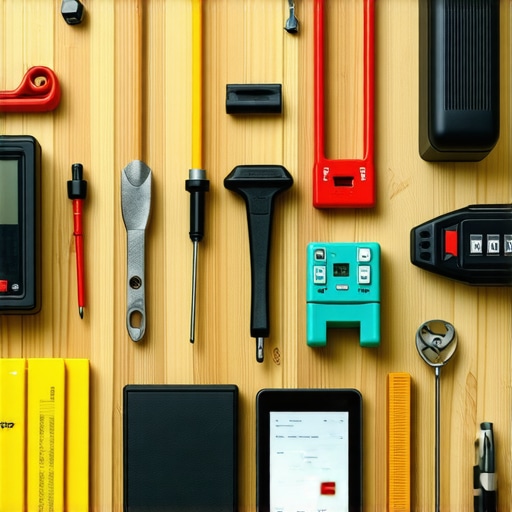
Illustrate a well-organized workshop with labeled tools, calibration equipment, and digital management devices to emphasize effective tool maintenance and organization.
Looking ahead, the trend points toward automation and IoT integration in construction equipment. Smart tools that monitor their own status and send alerts for maintenance will become standard, reducing downtime further. To implement this now, I recommend trying out their system with a smart sensor on your most-used power tools—it’s a game-changer for long-term upkeep.
Remember, maintaining your tools and systems isn’t just about preserving equipment—it’s about safeguarding your entire project’s success. For detailed guidance on navigating complex equipment maintenance, visit this contact page.
What I Wish I Knew About Permits and Hidden Costs Before Starting
One of the most underestimated aspects of building cost estimation is the complexity and unpredictability of permit processes. Early in my projects, I assumed permits were straightforward fees, but I learned the hard way that delays and regulatory nuances could add thousands to the budget. Engaging with local authorities early and understanding their specific requirements can save you significant time and money.
Another insight is that regional material costs can fluctuate dramatically and catch you off guard if you rely solely on average figures. I encountered this during a high-demand season, where materials I had budgeted for suddenly doubled in price, emphasizing the importance of real-time market data in your estimates.
Lastly, contingency funds are not just a safety net—they’re a necessity for unforeseen issues like soil conditions or code modifications. Neglecting this can lead to frustrating project stalls and financial strain. Allocating extra budget upfront keeps your project flexible and less stressful.
My Favorite Resources for Building Cost Precision
Over the years, I’ve found certain tools invaluable in refining my estimates. The comprehensive expert insights from Construction Edgez provide up-to-date market trends and detailed methodologies that are essential for 2026 planning.
For streamlining data collection, I trust this step-by-step guide to help build precise budgets for additions and custom builds. It’s helped me avoid common pitfalls and stay realistic about costs.
Finally, adopting digital tools like specialized estimating software has transformed my planning process, allowing for quick adjustments and accurate projections as market conditions shift.
Seize the Moment: Your Building Forecast Awaits
Building in 2026 presents unique challenges and opportunities, but with the right knowledge, tools, and mindset, you can turn uncertainty into advantage. Remember, every estimate is a stepping stone toward your dream project—make it count, stay informed, and don’t shy away from seeking expert advice when needed. Your future self will thank you for taking these insightful steps today.
What has been your biggest lesson or challenge in estimating costs for your building project? Share your experience below—I’d love to hear your story!
,