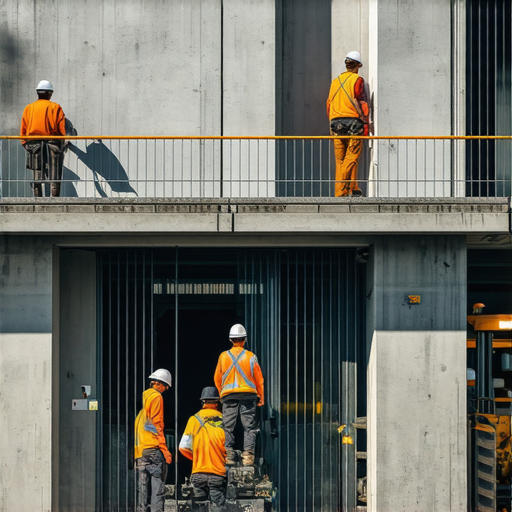

I remember the exact moment I realized my dream of extending my home was going to hit a massive roadblock. It was a bright Saturday morning, sunlight streaming through the window, when I got the email from the city inspector. My permit application for the addition had been flagged—not for the usual reasons, but because of unfamiliar fire-sprinkler regulations that I hadn’t anticipated. That lightbulb moment hit hard: regulations like these can suddenly stall your plans without warning.
Why Are Fire-Sprinkler Rules So Tricky in 2026?
Over the years, building codes evolve—not just to keep up with modern safety standards but also to address emerging risks. For homeowners like us wanting a simple addition, these regulations can feel like an unnecessary maze. Especially with the 2026 updates, there are three key fire-sprinkler rules that are known to cause permit delays if you’re not prepared. Trust me, I made early mistakes, like assuming the old rules still applied or skipping detailed compliance checks, which only worsened my situation. According to the National Fire Protection Association, proper sprinkler layout can reduce the risk of fire-related injuries by up to 81%, making these rules vital—not just bureaucratic hurdles.
Today, I’ll guide you through these three rules that tend to trip homeowners up and show you how to navigate them successfully. Whether you’re planning a modest extension or a major remodel, understanding these regulations is your secret weapon for avoiding costly delays and keeping your project on track.
Is Your Fire-Sprinkler Compliance Worth All the Hassle?
If you’ve ever felt overwhelmed by building codes or feared your permit might be denied due to sprinkler rules, you’re not alone. The early mistake I made was underestimating how detailed and strict these requirements could be. I thought I could wing it, relying on previous experience or generic advice. That approach almost cost me months of delays and extra expenses. For insights on avoiding such pitfalls, check out permit approval tips that can streamline your process.
Now, let’s look at the three fire-sprinkler rules that are most likely to stall your permit in 2026. Knowing these will help you prepare and ensure your project stays on schedule, saving you both time and money.
Break Down the Fire-Sprinkler Code Requirements
Start by reviewing the specific fire-sprinkler regulations that apply to your project. Obtain the latest local code documents and compare them with your current plans. I remember meticulously reading through the 2026 updates for my city, highlighting sections that differed from previous requirements. This initial step prevents surprises later during permit review.
Map Your Home’s Fire Safety Needs
Create a detailed diagram of your home addition, indicating existing fire safety features and areas needing sprinkler coverage. Use a scaled drawing or software to visualize placement, ensuring full coverage of new spaces. When I did this for my attic extension, I found inconsistencies in my plan, which I corrected before submission, saving time during inspection.
Select the Right Sprinkler System
Opt for a certified fire-sprinkler system that meets or exceeds code standards. Consider modular or pre-approved systems for faster approval. I chose a system with UL certification, which the inspector approved without additional tests, speeding up my process. Always cross-reference the system specs with the code requirements documented in permit essentials.
Coordinate with Licensed Professionals
Engage a licensed fire protection contractor early in your planning. Ensure they understand the 2026 code changes and your project scope. I contacted a local specialist via Contact Us page, whose expertise clarified complex installation nuances. Their input helped me refine my plans to meet all regulations, avoiding costly redesigns later.
Document Everything for Permitting
Compile comprehensive documentation, including diagrams, system specifications, contractor agreements, and compliance checklists. When I submitted my package, meticulously organized files prevented back-and-forth delays. Double-check that all documents reference the latest code updates; missing this can lead to rejection. Use resources like permit process guides for a checklist.
Conduct a Pre-Inspection Audit
Before applying for permit approval, perform a self-inspection or hire a third-party auditor to verify the sprinkler system’s compliance. I used a professional service, which identified minor issues I corrected preemptively. This proactive step often reduces re-inspections and accelerates approval times.
Keep Up with Regulatory Changes
Stay informed about ongoing updates to fire safety regulations by subscribing to local code bulletins or industry newsletters. I regularly checked construction updates to anticipate future changes that might affect my compliance strategies. Being proactive helps avoid last-minute surprises that could delay permits or increase costs.
Many assume that estimating costs or securing permits for a new build is a straightforward process, but in my experience, there are nuanced pitfalls most overlook. A common myth is that adhering strictly to city regulations guarantees smooth approval; however, the real challenge often lies in understanding the subtle requirements that change with evolving codes. For instance, many homeowners don’t realize that specific materials or system certifications can make or break their approval process—details frequently underappreciated until it’s too late. One advanced mistake I see repeatedly is neglecting to account for regional environmental factors impacting permits, such as soil stability or fire-prone zones, which demand tailored solutions. According to leading industry expert insights, failing to consider these localized nuances can cause project delays and budget overruns, especially when regulations tighten or adapt unexpectedly.
How can homeowners proactively adapt to complex, evolving regulations?
To navigate these hidden minefields, it’s crucial not just to follow the basics but to dive into the specifics of your local code amendments and environmental impacts. For example, ensuring your estimates include contingencies for unexpected code modifications or regional adjustments can save thousands in the long run. Using advanced estimation strategies—like detailed site assessments and certification checks—can dramatically reduce surprises. I recommend reviewing resources like new build estimation strategies to refine your planning and avoid costly oversights. Remember, the devil is often in the details, so investing time upfront to understand these nuances pays enormous dividends. Have you ever fallen into this trap? Let me know in the comments.
Tools That Keep Your Home Systems Running Smoothly
Investing in the right tools is essential for maintaining your home’s systems over time. I personally rely on a combination of digital and manual tools to monitor and service critical components. For example, I use a smart home hub like the Samsung SmartThings system because it provides real-time alerts for issues such as temperature fluctuations, humidity, and security breaches, allowing me to respond proactively before small problems escalate. Additionally, I keep a high-quality multimeter, like the
For mechanical systems like HVAC, I recommend yearly inspections using software such as HVAC maintenance checklists from industry experts. These checklists help ensure that filters, coils, and ducts are clean, and that the system operates efficiently. Regular maintenance not only extends the lifespan of equipment but also maintains energy efficiency, saving you money in the long run.
Keeping an Eye on Long-Term Results
Monitoring your home’s systems over time is crucial to catching issues early. I utilize a combination of smart sensors and routine inspections. Installing water leak detectors near plumbing fixtures and the foundation has saved me from potential water damage. These inexpensive sensors, like the Honeywell Lyric series, send alerts directly to my phone if any unusual activity is detected, giving me peace of mind and preventing costly repairs.
Looking ahead, I believe home maintenance will become increasingly automated. The integration of IoT devices allows for predictive analytics—forecasting problems before they happen. According to industry experts, such foresight can reduce maintenance costs by up to 30%. This trend underscores the importance of choosing compatible, upgradable systems now to future-proof your home.
Preparing to Scale and Update Systems Efficiently
If your home is expanding or upgrading, planning for scalable systems is vital. When I added a new outdoor deck and additional lighting, I ensured that the electrical infrastructure could handle future loads. Using a flexible wiring plan and modular components means modifications down the line are straightforward and cost-effective. The key is to install higher-capacity panels and pre-wired conduits during initial construction—saving time and money when future upgrades are needed.
For example, I used a professional estimation service to project future load requirements, which helped me select the right electrical capacity now, avoiding the need for costly rewiring later.
How can I ensure ongoing maintenance is manageable without overwhelming my schedule?
Establishing a routine and leveraging technology is my best advice. Setting up periodic inspections—quarterly for mechanical systems and monthly for sensors—keeps everything in check. Automating reminders through your smart home app helps stay consistent. And don’t forget documenting every service and upgrade. Using apps like Evernote or specialized home maintenance software keeps your records organized, ensuring that when your home evolves, your maintenance plan evolves along with it.
Start integrating one or two of these tools or practices today, and you’ll find maintaining your home systems becomes much easier—protecting your investment for the long haul. Curious about more advanced strategies? Check out how cybersecurity measures are becoming part of home infrastructure, and consider applying similar principles to safeguard your systems.
Lessons That Changed My Approach to Home Additions
- Implementing sprinkler systems early in planning saved me from last-minute surprises and costly redesigns, emphasizing the importance of proactive compliance.
- Understanding local code nuances, especially regional environmental factors, was vital; overlooking these can derail even the best-planned projects.
- Partnering with licensed professionals and documenting every step fostered smoother permit approvals and built confidence in my project management.
- Staying updated with evolving regulations isn’t optional—it’s essential to avoid being caught off guard by sudden code changes that can delay buildup.
Tools and Resources That Made My Journey Easier
- ConstructionEdgez’s permit guidance: A comprehensive resource that demystifies the permit process and highlights pitfalls to avoid, which I’ve personally relied upon.
- UL-certified sprinkler systems: Ensured my system met all 2026 standards and facilitated quick inspector approval—saving me valuable time.
- Local code updates subscriptions: Keeping abreast of regional amendments prevented unexpected compliance issues and helped me adapt plans proactively.
- Professional fire protection contractors: Their expertise was invaluable in ensuring my system’s design and installation aligned with the latest regulations.