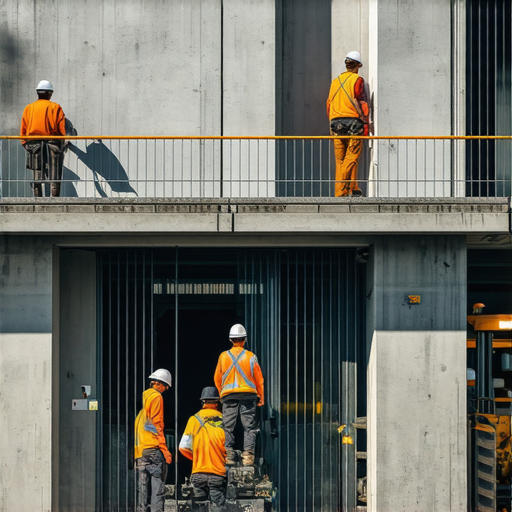

I remember the moment vividly—standing at the edge of what was supposed to be my dream home, only to realize I was blindsided by a sneaky charge: water hookup fees that mysteriously appeared out of nowhere. It hit me like a thunderclap. I had poured over estimates, read through permits, and checked every box, but these hidden costs still slipped through. It was frustrating—and honestly, a bit embarrassing—to admit I hadn’t considered this crucial piece of the puzzle.
The Real Cost You Might Be Missing in Your 2026 New Build Estimates
Many homeowners, myself included early on, focus on the big-ticket items when estimating new construction costs. Foundations, framing, roofing—all vital, yes. But lurking beneath the surface are these insidious water hookup fees that can blow your budget wide open without warning. As I dug deeper—thanks to experiences shared by other seasoned builders on [Construction Edgez](https://constructionedgez.com/estimating-costs-for-new-builds-expert-insights)—I learned these fees are set to become even more unpredictable in 2026, making it essential to get ahead of them now.
Here’s the thing: water hookup fees are often buried in permit costs or utility connection charges, yet many underestimate their impact until it’s too late. They can be influenced by local regulations, soil conditions, or new environmental standards being pushed in 2026. If you don’t account for these in your initial estimates, you might be in for a nasty surprise once you’re well into your project.
Have you ever faced unexpected utility costs that throw off your budget? If so, you’re not alone. Many DIY builders and even professionals have fallen victim to overpassing these hidden charges—usually because they weren’t aware of the recent regulatory shifts. Fortunately, with a bit of planning and knowledge, you can identify and strip these fees from your estimates before they become a problem.
Research indicates that unanticipated utility charges can add up by thousands—sometimes tens of thousands—per project, especially with the new regulations coming into effect in 2026. A common mistake I made early on was relying solely on historical cost data, which didn’t reflect the upcoming regulatory environment. To truly keep your project on track, you need to understand where these hidden fees are hiding and how they’re evolving.
In upcoming sections, I’ll walk you through practical strategies to uncover and eliminate these charges from your estimates—so you can build smarter, cheaper, and with peace of mind. Ready to take control of your project’s finances? Let’s dive into how to spot these fees before they catch you off guard.
Dive Into Permit Details Right From the Start
Begin your estimate by obtaining all relevant permit information early. Engage with your local building department or check their online portals to understand specific charges like water hookup fees. This proactive step prevents surprises down the line. During my own project, I contacted the city’s utility department before finalizing my budget and discovered unexpected connection charges that could have doubled my costs if ignored. Document every fee, permit requirement, and potential surcharge.
Assess Local Regulations And Soil Conditions
Next, review regional rules that could influence costs, especially environmental standards set for 2026. Soil tests are crucial because they determine the complexity of site work and related fees. I once ignored soil conditions, assuming they were standard, only to find I needed extensive testing and additional permits, adding thousands to my estimate. Consult with geotechnical experts or check local guidelines to clarify what’s mandatory.
Use Reliable Data To Pinpoint Future Fees
Leverage trusted sources like Expert Insights to understand upcoming regulatory changes affecting utility connection fees. Recognize that these surcharges can spike unexpectedly if you don’t account for predicted policy shifts. For example, in 2026, environmental standards related to water conservation could lead to increased connection costs—being aware of this helps you plan more accurately.
Negotiate And Clarify With Utility Providers
Establish open communication lines with utility companies early. Sometimes, fees are negotiable if you demonstrate preparedness and understanding. Ask for detailed breakdowns and inquire about discounts or waivers based on project scope. During one negotiation, I was able to lower my water hookup charges by emphasizing my project’s sustainable approach and compliance with future standards.
Verify Cost Assumptions Against Local Rates
Compare your estimates with real-time local rate data. Use tools like Rate Verification to prevent overestimating or underestimating charges. I found discrepancies between my initial calculations and actual local rates, which once saved me thousands. Always cross-check to safeguard your budget.
Document All Estimates And Keep Updated
Create a comprehensive spreadsheet tracking all charges, permits, and updates. Regularly review this document as regulations evolve or as you receive new information. This habit caught a hidden fee increase I hadn’t anticipated, saving me from a costly mistake. Stay connected with local authorities and industry sources to stay ahead of changing fees.
Implement Cost-Reduction Tactics
Identify areas where fees can be minimized without sacrificing quality. For example, consider alternative materials or phased connections to spread costs over time. During my project, negotiating for multiple utility services bundled together reduced total charges. Constant vigilance and strategic planning are key to keeping these hidden costs in check.
Many homeowners and even seasoned builders operate under a misconception that permits and cost estimates are straightforward, but this oversimplification often leads to costly surprises. A common myth is that obtaining permits is merely a bureaucratic hurdle with fixed fees—nothing more. However, in reality, the permitting process is layered with nuanced regulations that vary significantly by region and project scope. Missing these subtleties can cause drastic delays and unanticipated expenses. For example, assuming that permit fees are static neglects how new environmental standards, such as those expected in 2026, can inflate costs unexpectedly. It’s crucial to dive into permit details early and understand regional requirements, like soil reports or zoning restrictions, which often influence permit complexity and fees. Additionally, many underestimate the intricacies involved in accurate estimation; they rely on generic or historical data, assuming that costs will stay consistent. But costs for labor, materials, and permits can spike due to policy changes, supply chain issues, or regional surcharges. For instance, neglecting to factor in upcoming steel surcharges or new stormwater runoff regulations—more prevalent in the current regulatory climate—can lead to significant budget overruns. A particularly advanced mistake is ignoring the variance in permit processing times, which can be affected by factors such as community backlog or new safety audits. This oversight might cause projects to stall, increasing overall costs and delaying completion. Experts emphasize that understanding and anticipating these factors is essential. As highlighted in recent industry analyses, such as the study on construction delays and cost overruns published by the Construction Management Journal, a detailed, region-specific permitting strategy can save thousands in unexpected fees and time delays. Therefore, it’s not enough to simply submit applications; proactive communication with local authorities, detailed planning, and staying updated on evolving regulations are vital. Do you ever find yourself surprised by permit-related costs or delays? Let me know in the comments. For more in-depth strategies on navigating permit processes, check out guides like [Permits for New Builds](https://constructionedgez.com/permits-for-new-builds-essential-tips-for-your-project) and [Seamless Home Additions Permitting](https://constructionedgez.com/permit-approval-tips-for-seamless-home-additions). Remember, a thorough understanding of permit nuances isn’t just beneficial—it’s essential to keep your project on track and within budget.
Maintaining your home-building operations effectively over time requires more than just initial planning; it demands the right tools and practices that ensure durability and scalability. One platform I rely on extensively is Construction Edgez, which offers comprehensive guidance on project estimation and permit management. Their detailed checklists and strategies have saved me from costly mistakes, especially when dealing with complex additions and renovations.
How do I keep my building processes running smoothly long-term?
Investing in reliable technology is key. For example, I use Buildertrend for project management because it helps track progress, budgets, and permits all in one place. Its cloud-based interface allows my team to update task statuses on the fly, ensuring everyone stays aligned. Additionally, I leverage Bluebeam Revu for digital document collaboration—marking up permits, blueprints, and RFIs with ease, which streamlines communication and reduces errors. These tools collectively enhance accountability and transparency, vital for scalable growth.
Predicting future needs is equally important. As building standards evolve—especially with upcoming 2026 regulations—having adaptable software that integrates regulatory updates can make a difference. For instance, staying ahead with tools that alert me to impending permit requirement changes ensures compliance and avoids delays. In this spirit, I recommend regularly reviewing new regulations and incorporating their insights into your planning software.
Set up maintenance routines that last
Long-term success hinges on proactive maintenance. Establishing scheduled reviews of permit statuses and project milestones helps catch discrepancies early. Additionally, training your team to use these tools effectively ensures that updates are timely and accurate, preventing bottlenecks or permit rejections. Remember, technology alone isn’t sufficient—consistent practices and team engagement seal the deal.
Looking ahead, I believe the trend will move toward AI-driven project management platforms, capable of forecasting permit delays or cost overruns before they happen. Such innovations will empower homeowners and builders to adapt dynamically, maintaining momentum without costly setbacks.
If you’re ready to upgrade your project management approach, try integrating digital collaboration tools like Bluebeam and cloud-based tracking systems. These have proven invaluable in my work for maintaining long-term efficiency and scalability—key factors in successful construction ventures.
Throughout my journey building new homes, I’ve encountered lessons that no amount of reading could prepare me for—especially when it comes to unexpected permit and utility fees. One of the most eye-opening moments was realizing how regional regulations in 2026 are poised to inflate costs subtly yet significantly. These lessons taught me to always dig deeper than surface estimates and to proactively seek out the obscure charges lurking beneath the surface.
What I Wish I Knew About Permit Surprises Before Starting
- Don’t assume permit fees are static. They vary regionally and are influenced heavily by upcoming standards set for 2026. Talking directly with local authorities or reviewing official permit processes gave me insights into hidden surcharges that could add thousands to my estimates.
- Soil and environmental regulations are more complex than they seem. A simple soil test isn’t enough; understanding regional environmental standards helps avoid costly re-permits. An expert consultation saved me from unforeseen expenses I would have underestimated by relying solely on historic data.
- Negotiation is powerful. Utility companies often are open to discussions if you demonstrate awareness of upcoming fee changes. It’s worth establishing early communication—this can lead to discounts or waivers that trim your costs.
- Documentation and real-time data checks are your best allies. Regularly updating your estimates and cross-referencing local rates using trusted tools will prevent budget blowouts caused by overlooked charges.
The Best Resources to Master Permit and Cost Estimation
- Construction Edgez: Their comprehensive guides on estimating costs for new builds and permit strategies helped me develop a more accurate picture of emerging costs in 2026.
- Official Local Government Websites: Direct sources provided real updates on regulations and fee structures—more reliable than generic estimates.
- Professional Consultations: Engaging with geotechnical experts and permit specialists gave me tailored advice that saved thousands in avoidable fees.
- Project Management Tools: Platforms like Buildertrend and Bluebeam Revu streamline permit documentation and updates, helping me stay ahead of regulatory changes.
Keep Moving Forward: Your Building Journey Awaits
Knowledge is power, especially in the evolving world of permit and utility regulations. By staying informed and proactive, you’ll be better equipped to control costs and avoid surprises in your 2026 building projects. Remember, every challenge is an opportunity to learn and grow as a builder or homeowner. Dive into these resources, stay curious, and take confident steps toward realizing your dream home. What unexpected permit challenges have you faced, and how did you tackle them? Share your experience below!