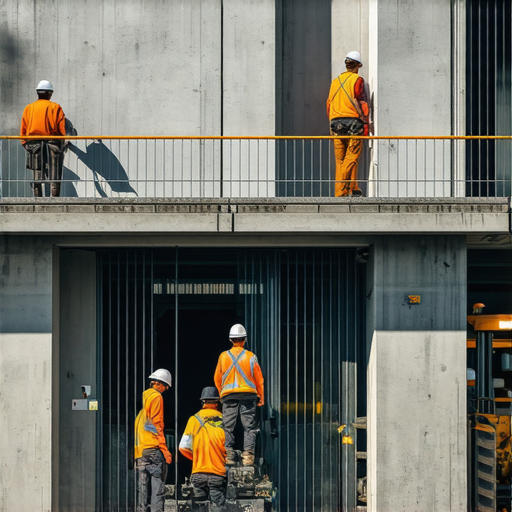
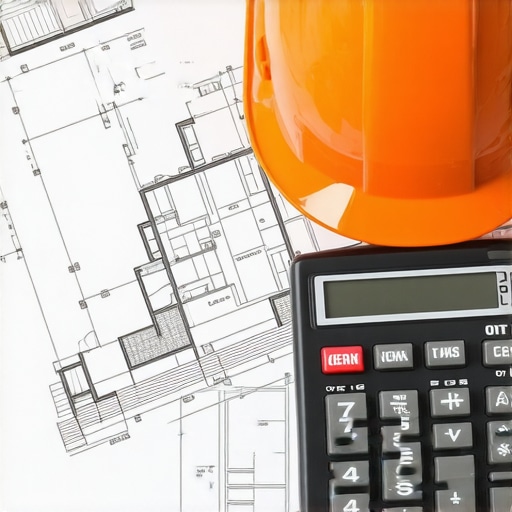
It was a chilly morning when I realized my recent project estimate was off by thousands. I remembered the previous year, when a seemingly minor miscalculation had caused a domino effect, delaying permits and blowing my budget. That moment was a wake-up call—estimating mistakes can silently sabotage even the most well-laid plans. And with the 2026 construction landscape evolving rapidly, getting the numbers right has never been more critical.
Why Getting Your Estimate Right Matters More Than Ever
In today’s building climate, every dollar counts. Rising material costs, stricter regulations, and new zoning laws mean that even a small oversight can lead to significant setbacks. An inaccurate estimate isn’t just about the numbers; it influences your entire project timeline, permit approvals, and ultimately, your peace of mind. According to recent industry reports, projects with poorly prepared estimates face delays averaging 30% longer than expected. This isn’t a coincidence but a wake-up call for all of us aiming for efficiency.
Could a Mistake Today Cost You Big Tomorrow?
Early in my career, I underestimated permit complexities. I thought I could handle the paperwork myself, cutting corners that later ballooned into costly delays. This taught me a valuable lesson: understanding permit processes—like those discussed here—can save months of frustration. If you’re rolling your eyes at the thought of detailing every cost, you’re not alone. But ignoring these details only increases the risk of costly surprises down the road.
So, are you facing the challenge of nailing down an accurate estimate for your 2026 build? If so, stay tuned. We’ll explore the common pitfalls and practical strategies to dodge these costly blunders, ensuring your project stays on track without breaking the bank.
Break Down Your Project into Clear Components
Start by dividing your project into specific sections—foundations, framing, electrical, plumbing, finishes—each with its own detailed cost estimate. I once worked on a home addition where I initially lumped all costs together, leading to overlooked expenses. Breaking the project into parts made discrepancies clear and allowed precise adjustments, saving time later.
Gather Multiple Quotes and Verify Prices
Request bids from at least three different suppliers or contractors for each component. Don’t settle for the first quote; compare costs and ask for itemized breakdowns to spot inflated prices or padded quotes. During a recent remodel, I did this and discovered a subcontractor’s quote included unnecessary charges—negotiated it down, reducing my overall budget.
Account for Permits and Regulations
Research local regulations using reliable resources like this guide, and include permit costs in your estimate with a 15-20% buffer for unexpected fees. In a project last year, I underestimated permit complexity, causing a delay. Adding a contingency for permits prevented future surprises.
Estimate Material and Labor Costs with Market Trends
Update your material prices regularly using sites like this resource. Be aware of rising tariffs or shortages, such as steel in 2026. I once used outdated prices, resulting in significant cost overruns when materials spiked unexpectedly. Consistent price tracking keeps your budget accurate.
Apply Buffer to Handle Price Fluctuations
Add a buffer of about 10-15% on top of your total estimate. This accounts for unforeseen costs like zoning changes or delivery delays. I learned this the hard way during a small renovation when material costs rose 12%, wiping out my initial savings. A buffer provides peace of mind and flexibility.
Use Specialized Software or Templates
Leverage estimating tools tailored for construction projects—many are available online. They help standardize calculations and include built-in allowances for permits and contingencies. When I adopted a dedicated estimator app, my accuracy improved, and tracking revisions became straightforward.
Stay Updated on Local Regulations and Zoning Laws
Frequent visits to your city’s planning portal or local zoning updates ensure your estimates reflect current legal requirements. I encountered a zoning change that added costs to my project; having this knowledge early saved me from costly redesigns.
Document Everything and Keep Records
Maintain a detailed log of all quotes, communications, and assumptions. This record is invaluable when reviewing your estimate or defending it during permit approval. I once had conflicting bids; my documentation helped justify the chosen costs and sped up permit approval.
Perform Regular Review and Adjustments
Continuously revisit your estimate as the project progresses. Adapt for price changes or scope adjustments. During a recent build, I re-evaluated estimates halfway through, catching a looming price hike and renegotiating terms, saving thousands.
Many assume that estimating costs for home additions or new builds is straightforward—just sum up material and labor prices. However, the reality is far more nuanced, and misconceptions abound. One pervasive myth is that permits are merely formalities, when in fact, they can become significant bottlenecks if underestimated. For example, many skip the step of thoroughly understanding local permit requirements, which can lead to costly delays or even project halts. To avoid this, expert advice suggests regularly consulting resources like this guide, ensuring you factor in all permit-related costs upfront.
Another misconception is that estimating costs is a one-time activity. In practice, market fluctuations—such as rising material prices or labor shortages—mean your initial estimate can quickly become outdated. Advanced estimators reinforce the importance of continuous monitoring, utilizing market-tracking tools and adjusting your budget accordingly. This dynamic approach helps prevent unexpected overages.
An often-overlooked nuance involves the complexity of zoning laws and how they affect project scope and costs. Many think zoning is a simple checkbox, but in actuality, certain updates—like the 2026 zoning amendments—can add layers of approval, inspections, or even redesigns. Being proactive by reviewing zoning updates ensures your plan remains viable and budget-conscious.
To clarify, here’s a question many experienced builders ask: How can I incorporate unforeseen regulatory or market changes into my initial estimate without inflating my budget excessively? The answer lies in applying strategic buffers—typically around 10-15%—and maintaining a flexible mindset. Incorporating these buffers effectively requires understanding the specific risks associated with your project’s location and scope, as outlined in industry-leading resources like expert guides on permits and estimations.
Remember, the goal isn’t just to get close on the cost but to build resilience into your planning process. Misjudging permits or market conditions isn’t a minor slip; it can cause your project to spiral into delays, budget overruns, or legal hurdles. Stay informed, stay adaptable, and do your homework—these are the keys to successful estimations. Have you ever fallen into this trap? Let me know in the comments, and let’s learn from each other’s experiences.
Keep Your Tools and Systems Running Smoothly
Maintaining consistent operations during your home addition or new build requires reliable tools and practices. Personally, I swear by the use of construction management software like Buildertrend. It consolidates scheduling, budgeting, and documentation into one platform, which helps me keep track of permits, estimates, and project timelines effortlessly. This reduces errors and ensures every team member is on the same page, vital for avoiding costly delays.
Another technology I rely on is digital blueprint management. Tools like PlanGrid allow me to access and annotate drawings on-site with ease. This speeds up decision-making and minimizes miscommunications—especially critical when dealing with changing permit requirements or unexpected site conditions.
To stay on top of market changes and regulatory updates, I subscribe to industry newsletters and join local builder associations. This proactive approach arms me with the latest permit tips and estimation strategies, like those outlined here.
How do I maintain my estimation accuracy over time?
Regularly updating your cost database is key. I use market tracking tools and cross-reference multiple suppliers’ current prices. Keep a detailed record of past projects and their actual costs versus estimates; this data helps refine your future budgeting. Remember, market conditions fluctuate—like the recent steel tariffs mentioned here. Transitioning to dynamic estimation models that incorporate real-time data reduces surprises down the line.

Investing in reliable communication tools—such as dedicated project chat apps—can also prevent misunderstandings and keep everyone accountable. Most importantly, establish a routine for weekly check-ins and update your project tracking sheets. This habit ensures your estimates and permits stay aligned with real-world developments, giving you peace of mind and better control over long-term results.
Future outlook
As technology evolves, expect greater integration of AI-driven cost analysis and automated permit tracking. Embracing these advancements will streamline maintenance and scaling efforts, making your projects more resilient against market shifts and regulatory hurdles. Stay ahead by experimenting with emerging tools and techniques now, so you’re ready for the changes to come.
Over the years, I’ve faced my share of costly miscalculations in additions, new builds, estimating, and permits. One standout lesson was realizing that even with the best tools, the human element—our assumptions, attention to detail, and adaptability—is what truly shapes success. I once oversimplified a permit process, neglecting recent zoning updates, which led to a month-long delay and increased costs. That experience taught me the importance of continuously updating my knowledge and questioning my assumptions.
Another hard lesson came from underestimating market fluctuations. When material prices spiked unexpectedly, my initial estimate was quickly out of date. Embracing real-time data tracking and building in contingencies became crucial in preventing budget overruns. The key takeaway? Never rely on static numbers; stay agile and informed to keep your projects on track.
Finally, I learned that documentation isn’t just bureaucratic busywork but an essential defense. Detailed records of quotes, adjustments, and permit communications saved me during a dispute over costs, helping validate my estimates and streamline approvals. These experiences underscore that the most successful estimators blend accurate data, current knowledge, and meticulous records—a combination that saves time, money, and stress.
My Toolbox for Confident Estimating and Permitting
Trusted resources like this guide on estimating costs have become my go-to, providing up-to-date market insights and checklists that keep my budget realistic. I also rely on this resource on permits for navigating local regulations efficiently, shaving weeks off approval times. For project management, tools like Buildertrend help me keep everything organized, from budgets to permit documentation, ensuring nothing slips through the cracks.
But beyond tools, I value ongoing education—attending local builder meetings and subscribing to industry newsletters. These sources alert me to emerging trends and regulatory changes, allowing me to adapt swiftly. It’s this commitment to learning and meticulous record-keeping that turns estimation from guesswork into a strategic advantage.
You Can Tackle This Too—Take Charge Today
Remember, mastering accurate estimating and permitting isn’t about perfection but continuous improvement. By staying informed, embracing technology, and staying detail-oriented, you empower yourself to handle even the most complex projects confidently. Your next build or addition can be smooth sailing—if you take the lessons seriously and keep refining your approach. Don’t wait for costly surprises; start applying these principles today and watch your project progress with greater certainty.
What’s the biggest lesson you’ve learned from estimating or permits? Share your story below—your experience might just help someone else avoid a costly mistake.
This article really hits home for me. I’ve learned the hard way that breaking down a project into detailed components is key to catching potential budget gaps early. When I initially underestimated permit costs or didn’t account for local regulation complexities, delays and extra expenses piled up unexpectedly. Now, I make it a priority to request multiple quotes and verify each itemized detail—this helps avoid inflated prices and last-minute surprises. Also, I agree that keeping meticulous records of all quotes and correspondences is a game-changer, especially when negotiating or defending estimates during permit reviews. The advice about adding a 10-15% buffer makes sense; market fluctuations can be unpredictable. I wonder, how do others balance a sufficient contingency without inflating the entire budget too much? I’d love to hear strategies on managing this delicate aspect effectively. Overall, embracing technology like estimating software and staying proactive with local zoning updates has really improved my accuracy and confidence over time.