It hit me hard one afternoon—a sinking feeling when I realized I had grossly underestimated the costs of my latest home project. Months of planning, permits, and budgeting all scrambled because my initial estimate was way off, and I couldn’t figure out where I went wrong. Ever been there? That frustrating moment when you’re faced with surprise costs and last-minute adjustments, wondering why no one told you about those hidden fees?
Years ago, I learned that getting an accurate, no-fluff estimate for a new build—especially with the evolving regulations of 2026—isn’t about guesswork. It’s about applying the right strategies, avoiding common pitfalls, and cutting through the noise to focus on what truly matters. Today, I want to share the four tactics that completely changed my approach and helped me secure reliable estimates without the usual guesswork. Whether you’re planning a new construction or an addition, these methods will save you time, reduce surprises, and help keep your project on track.
Why Accurate Estimations Matter More Than Ever
In 2026, the landscape of building a new home or broader additions is more complex than ever. Regulatory changes, supply chain fluctuations, and rising material costs—these are just some hurdles that make estimates tricky. According to industry research, unforeseen costs can balloon a project by as much as 20-30%, significantly impacting budgets and timelines. That’s a hefty chunk of change—and a stressor most homeowners do well to avoid.
When I first started, I thought I could wing it, relying on vague guesses and outdated figures. That was a mistake. Early on, I ignored some critical permit considerations, which led to delays and unexpected expenses. Trust me—having been burned once, I now know that a precise, well-researched estimate isn’t just beneficial; it’s essential.
What about you? Have you faced those last-minute cost surprises that threw your plans into chaos? Or perhaps you’re concerned about navigating permit requirements without breaking the bank? If so, you’re not alone. That’s why my goal today is to equip you with proven tactics to be one step ahead, ensuring your estimate is tight and trustworthy. Want to dive into these game-changing steps? Let’s get started and make sure your project in 2026 won’t be derailed by avoidable surprises.
Dive Deep into Detailed Material Quantities
Start by creating a comprehensive list of all materials needed, from foundation supplies to finishing touches. During one project, I once underestimated the amount of concrete required, leading to last-minute purchases that slowed progress. To avoid this, use detailed blueprints to quantify every element, and consult supplier catalogs for current pricing.
Secure Updated Price Quotes from Multiple Suppliers
Rather than relying on generic estimates, reach out to at least three suppliers for recent prices. I remember calling several vendors for lumber, discovering significant price disparities. This not only provided more accurate budgeting but also opened opportunities for better deals. Remember, prices fluctuate often, especially in 2026, so stay proactive.
Account for Hidden Costs and Regulatory Changes
Identify potential extra expenses often missed early on, such as permit fees or specialty inspections. For instance, I overlooked new permit fees introduced in 2026, which added thousands to my budget. Review resources like these cost guides to anticipate surprises, and include a contingency budget of at least 10-15%.
Break Down Permitting and Inspection Expenses
Permitting can be complex, with fluctuating costs and approval timelines. I experienced delays when I didn’t thoroughly understand permit requirements. Use permit estimation strategies to allocate proper funds and schedule buffer time. Diligence here prevents costly delays.
Use Comparative Analysis for Cost Validation
Compare your estimates with past projects or industry benchmarks. For a home addition, I once checked similar recent builds in my area, which highlighted discrepancies in my figures. This method adds a layer of validation, ensuring your estimate is realistic and comprehensive.
Integrate Permitting and Cost Estimation Software
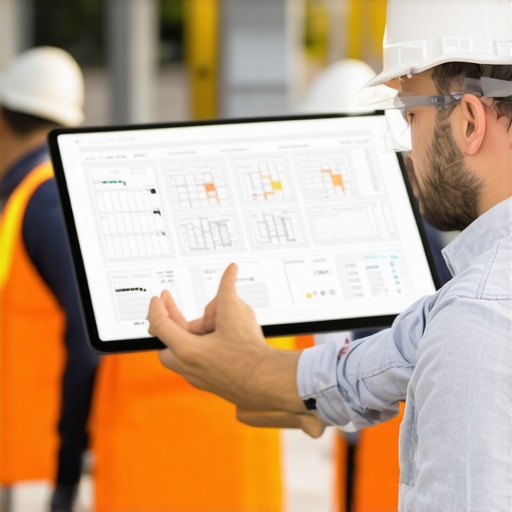
Leverage digital tools designed for construction budgeting. I used a simple app to input my quantities and prices, which flagged potential budget overruns early. These tools often include up-to-date databases, reducing manual errors and helping visualize total costs.
Maintain Flexibility and Regular Updates
Revisit your estimates periodically, especially before ordering or contracting. Material prices and permit fees can change rapidly; my experience shows that staying current avoids overrun. Make it a habit to review and adjust your budget every few weeks, staying aligned with real-time market conditions.
Many homeowners and even seasoned builders fall into the trap of believing that initial estimates are enough to gauge a project’s budget. However, this oversimplification often leads to costly surprises down the line. The common myth is that once you gather a few quotations, your estimate is solid, but in reality, numerous nuances can derail your plans.
One critical nuance often overlooked is the dynamic nature of material prices and permit regulations. For instance, during active construction months in 2026, supply chain disruptions can cause prices to fluctuate by 15-20% within weeks, rendering static quotes obsolete. Relying solely on a one-time estimate ignores these market shifts and increases the risk of budget overruns. As an industry expert notes, “Flexibility and continuous data updating are essential for accurate project costing”(source). This emphasizes the importance of regularly revisiting and adjusting your estimates to stay aligned with current market conditions.
What Advanced Homeowners Should Know About Permit Complexity
Many assume that permits are straightforward paperwork, but in reality, permit processes have become more complex, often with regional variations and evolving requirements in 2026. Misunderstanding these complexities can lead to delays, fines, or even project halts. For example, some municipalities now require additional environmental impact assessments or infrastructure checks, adding unexpected costs and time. Detailed knowledge of local regulations, clear communication with authorities, and proactive planning are crucial. Skipping these steps or underestimating permit intricacies is a critical mistake that can cost thousands—both in money and time. To mitigate this, consult trusted resources like permits for home additions and stay updated on regional requirements.
Lastly, aligning your estimating approach with these advanced insights helps prevent the all-too-common pitfall of underestimating total project costs. It’s not just about initial figures but about accounting for the evolving landscape of materials, regulations, and unforeseen hurdles. Remember, thorough research, continuous updates, and expert consultation are your best tools to manage expectations and avoid costly surprises. Have you ever fallen into this trap? Let me know in the comments and share your experiences or questions about estimating and permits for new builds or additions.
Invest in Reliable Tools for Sustained Success
Maintaining your home construction projects over time requires more than just initial planning—it’s about selecting tools that ensure longevity and efficiency. I personally rely on digital modeling software like AutoCAD to revisit and adjust blueprints whenever necessary, saving time and reducing errors. These tools allow me to visualize changes, manage complex details, and coordinate with team members seamlessly.
For on-site inspections, I prefer using a laser distance measurer such as the Bosch GLM 50 C. It provides quick, accurate readings, which are crucial for verifying dimensions before ordering materials or making adjustments. This device’s portability and precision help me avoid costly mistakes down the line.
In terms of project management, tools like Trello have been game-changers. Creating a visual workflow helps me track permitting statuses, task deadlines, and inspections. Regularly updating this digital board maintains momentum and accountability, especially when handling multiple phases or additions.
Why Using Specialized Software Matters
Accurate estimation and ongoing project adjustments hinge on aside from physical tools, robust software solutions. I recommend using estimating tools designed for construction professionals. They integrate current materials prices, permit fee calculators, and contingency planning, enabling you to keep your long-term costs in check. As trends show, the future of home building leans heavily on real-time data and automation, so adopting these technologies early can give you an edge.
How do I keep my tools effective over time?
Maintaining your tools is crucial for sustained performance. Regular calibration of measuring devices ensures ongoing accuracy. Software updates are equally important—keep your programs current to benefit from the latest features and data integrations. Also, investing in training can optimize how you utilize these tools, turning basic capabilities into powerful project management assets.
Remember, the key to long-term project success isn’t just about initial estimates but maintaining flexibility and precision throughout the build. Incorporate these tools into your routine, and you’ll reduce surprises and streamline adaptations as conditions evolve. Want to see immediate improvements? Try updating your estimating software today and explore its features for a more reliable budget forecast.
The Hardest Lesson I Learned About New Build, Additions, and Permitting
One of my most significant realizations was that even detailed estimates can’t fully predict unforeseen challenges, especially with ever-changing regulations and market conditions in 2026. I once believed that if I had enough data, my project would run smoothly. But experience taught me that flexibility and continuous learning are vital. The road to accurate estimation is paved with surprises—some exhilarating, others costly—but each offers a chance to refine your approach.
My Essential Toolkit for Mastering Construction Estimates
Over the years, I’ve come to trust specific digital tools that keep my estimates reliable. Software like construction estimation platforms ensure I stay updated with current prices and permit fee adjustments. Pairing these with laser distance measures like the Bosch GLM 50 C and project management apps such as Trello creates a robust system that minimizes errors. My advice? Invest in technology that evolves with the industry, and you’ll stay one step ahead.
What Surprised Me About Permitting in 2026
Permitting has become a game of patience and knowledge. I used to think permits were just a formality, but regional variations and new environmental assessments in 2026 have made them complex. My lightbulb moment? Building relationships with local authorities and consulting trusted resources like permit guides saves time and money. Remember, a well-prepared permit application can mean the difference between a smooth build and costly delays.
Are You Ready to Elevate Your Home Building Plans?
Going beyond basic estimations and understanding permit intricacies in 2026 is crucial for success. Embrace continuous learning, leverage the right tools, and stay adaptable. Your dream home or addition is within reach when you approach it with strategy and confidence. The journey may have bumps, but with these insights, you’ll navigate it more smoothly. What’s been your biggest takeaway from estimating or permitting challenges? Share your story below and let’s learn together!