Imagine this: I was months into planning what I thought was a straightforward new build project, meticulously filling out my estimation sheet. Suddenly, I hit a snag — the numbers didn’t add up, and I realized I had overlooked some glaring red flags. That moment of realization hit me hard — if I’d gone forward without recognizing these warning signs, I could have faced massive budget overruns and permit delays. The truth is, many homeowners and builders fall into the same trap without even realizing it. Today, I want to share with you the crucial red flags that can make or break your 2026 new build estimates.
Why Spotting These Red Flags Early Can Save Your Project
Getting your estimation right is more than just a good practice — it’s essential for avoiding unexpected costs, permit issues, and frustrating delays. As a seasoned enthusiast in construction planning, I’ve seen firsthand how overlooked details can inflate costs and stall progress. Early identification of these red flags allows you to address potential problems head-on, ensuring a smoother journey from the first blueprint to the final nail.
Research shows that inaccurate estimates are a leading cause of project delays and budget overruns, with some estimates missing costs by as much as 20-30%. (Source: Construction Edgez) Recognizing these warning signs can be the difference between a successful build and a costly mess. Have you experienced surprises in your previous projects? If so, you’re not alone. Many face similar pitfalls because they didn’t spot the early signs of trouble.
Is Your Estimation Sheet Honestly Reflecting Reality?
One mistake I made early on was trusting the initial costs without scrutinizing where the numbers came from. I learned the hard way that blindly accepting estimates without verifying each line item can lead to oversights. To prevent this, I always double-check assumptions and ensure my figures reflect current market rates, permit requirements, and hidden costs. For instance, overlooking permit fees or underestimated labor costs can derail your budget fast. Want to know how to spot these hidden issues? Keep reading, and I’ll walk you through the core red flags you shouldn’t ignore when reviewing your estimation sheet.
Now, let’s dive into those red flags that could threaten the success of your 2026 new build. These aren’t just theoretical concerns — they’re practical warnings that, if recognized early, can save you significant time and money. Ready to get granular? Let’s go.
Break Down Your Permit Requirements Early
Starting with permits, think of them like the DNA of your construction process. If you skip this step or rush it, you risk costly delays. I recall a time I neglected early permit research, leading to a halt that set my project back by three weeks. To avoid this, consult comprehensive guides such as this resource and make a detailed list of all required permits. Contact local authorities early to confirm what’s needed. Remember, permit requirements can change based on project scope and location, so stay updated.
Assess and Include All Permit Fees
Permit fees are like hidden charges in a restaurant bill; if unrecognized, they can surprise you. When estimating, always verify fee amounts with local agencies via this guide. I once underestimated permit costs because I relied on outdated figures, which caused my budget to swell unexpectedly. Make it a habit to incorporate an extra 10-15% for unforeseen permit-related expenses.
Scrutinize Your Cost Estimates with Laser Focus
Your estimation sheet isn’t just numbers—it’s the blueprint of your project’s success or failure. Think of it like a roadmap: the more precise it is, the fewer surprises you’ll encounter. I once blindly accepted initial estimates from a contractor, only to find later that labor costs had doubled due to overlooked market rate changes. To prevent this, cross-reference each line item with current data from trusted sources such as this resource. Break down costs into categories—materials, labor, permits—and verify each sum. If something seems disproportionately low, dig deeper. This meticulous approach saved my project from budget overruns.
Identify Potential Cost Overruns Prior to Signing Off
Forecast potential overruns like a weather forecaster predicts storms. For example, when planning a custom foundation, I predicted potential material price hikes based on market trends and added a contingency buffer. Use recent data from this site to update your estimates regularly. Keep an eye on supply chain issues, labor shortages, and local code amendments. Creating a risk register during planning can help you track and manage these variables effectively.
Consult Experts to Validate Your Estimates
An extra set of eyes can decode complex details that you might miss. During my last project, I reached out to a local permitting expert listed on this page after noticing discrepancies. Their insights helped me adjust my budget and avoid permit delays. Schedule consultations with permit specialists, estimators, or experienced builders. Their perspective can uncover red flags early, saving you money and time down the line.
Leverage Specialized Tools and Resources
Use dedicated estimating software and checklists tailored for 2026 projects. These tools incorporate the latest data and best practices, making your estimates more reliable. I personally adopted a project management platform that synced costs, permits, and timelines, reducing errors significantly. Incorporate resources like this guide to sharpen your approach.
Test Small Changes and Monitor Feedback
Before finalizing, simulate modifications—like changing building materials—and see how they impact your budget. During my trial runs, adjusting material choices revealed cost-saving opportunities I hadn’t considered. Regularly review feedback from stakeholders and update your estimates accordingly. This iterative process ensures your plan remains accurate and adaptable, reducing the risk of unexpected expenses.
Document Every Assumption and Decision
Meticulously record the rationale behind each estimate. This transparency allows you to revisit and revise when new information emerges. When I tracked my assumptions methodically, I could quickly identify which areas needed adjustment, avoiding costly last-minute surprises. Use detailed spreadsheets or estimation software that logs changes and decisions for easy reference.
Implementing these steps transforms your estimation process into a reliable roadmap. Early detection of red flags isn’t about second-guessing—it’s about proactive management to keep your 2026 project on track and within budget. Stay vigilant, stay informed, and don’t rush the critical review stages.
Many assume that permit requirements and estimating construction costs are straightforward, but the reality is far more complex. A common misconception is that permits are merely a procedural hurdle; in truth, they can become major cost drivers if not properly managed. For instance, relying solely on generic permit estimates without considering local nuances often leads to underestimated budgets and project delays. Local zoning laws, unforeseen code amendments, or specific site restrictions can introduce additional costs that catch even experienced builders off guard. To navigate this, truly understanding the idiosyncrasies of your municipality’s permitting process—such as unique document requirements or approval timelines—is crucial, and resources like this guide can provide in-depth insights.
Another misconception is that the cost of additions or new builds scales linearly with size. However, many underestimate the hidden nuances involved—such as increased permit fees for larger projects, escalated labor costs due to skill shortages, or the necessity for special inspections that aren’t accounted for in initial estimates. These factors often lead to a significant ‘oops’ factor in budgets. Implementing contingency plans and a thorough review process—including consultations with experts via this contact page—can greatly improve accuracy.
A critical question for advanced planners is how to accurately incorporate evolving regulations and site conditions into estimates without falling prey to unforeseen expenses. Staying ahead of regulatory changes requires consistent monitoring of local legislation and building code updates—something that can be achieved by subscribing to municipal updates or industry bulletins. Moreover, having flexible budgets that anticipate potential code shifts is essential. Studies suggest that projects that incorporate dynamic risk assessments and adaptive planning experience fewer overruns (see this research), emphasizing the importance of proactive rather than reactive estimation strategies.
Ultimately, the key lies in recognizing that permit and build estimates are not static figures but evolving components of your project. The ‘hidden’ nuances—such as local variations, regulatory evolutions, and site-specific conditions—demand a sophisticated, nuanced approach. Have you ever fallen into this trap? Let me know in the comments, and remember: the more you dig into these details early, the smoother your project will run.
How do I maintain my planning tools over time?
Keeping your project management and estimating tools accurate requires consistent updates and reviews. I personally rely on Buildertrend, a cloud-based platform that synchronizes schedules, budgets, and permitting documents in real time. Its automation features alert me to potential overruns or permit delays before they become critical. To stay current, I set weekly check-ins to review project progress against initial estimates and update parameters accordingly. As the industry moves towards AI-powered estimations, integrating these technologies can further improve long-term accuracy and efficiency.
Looking ahead, I predict that advanced software will incorporate machine learning to analyze project data dynamically. This evolution will make red flag detection more proactive, reducing the risk of costly mistakes.
What are my go-to tools for quick and reliable estimates?
For me, the cornerstone is expert-validated estimation guides combined with software like Clear Estimates. I use it because of its extensive database of current market costs and customizable templates tailored for 2026 projects. Manually cross-referencing each component helps ensure I don’t overlook hidden fees or recent market volatility. I also use home addition estimation guides for specific projects, ensuring my figures stay aligned with latest industry standards.
Regularly updating these tools and cross-verifying with recent local data minimizes surprises down the line.
Making the most of specialized inspection and permit tools
Specialized inspection devices like laser scanners and software for permit management, such as permit navigation apps, allow me to track requirements efficiently. For example, laser scanning helps verify site dimensions, reducing costly rework later, while permit tools streamline approval processes—saving weeks on approval timelines. Incorporating these technologies early lets you identify potential issues before they cause delays, ensuring smooth progression through each build phase.
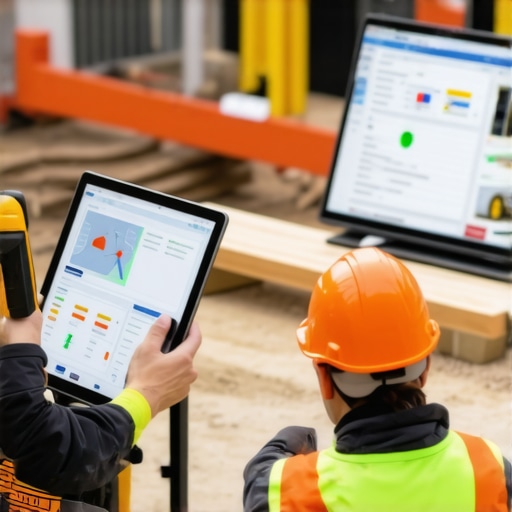
This recent surge in digital tools signifies a future where automation and real-time data tracking will dominate construction management. As new technologies emerge, integrating them proactively will become essential for staying ahead of project challenges and reducing long-term costs.
How can I test modifications without risking my entire schedule?
One effective method I use is running detailed simulations in software like Bluebeam Revu or Procore. By modeling design changes and material swaps beforehand, I can forecast cost impacts and permit adjustments without disrupting the actual site activities. Additionally, conducting small pilot projects or phased implementations allows me to assess the real-world implications of changes gradually. This approach enables early detection of potential issues, minimizing risk as you scale or modify your build plan.
Applying these tools and strategies now early in your project can save you from costly rework or permit setbacks later on. Try setting up simulation workflows to validate significant design or material adjustments—it’s a game-changer for keeping your project on course.
The Hardest Lesson I Learned About permit,additions,estimating,new build
One of my most impactful lessons came when I underestimated the importance of integrating local permitting nuances into estimates. Rushing through this step led to delays and unexpected costs, reminding me that local regulations can make or break a project. Embracing detailed permit research early on saved me from costly setbacks and reinforced that thorough due diligence isn’t optional but essential.
3 Myths About permit,additions,estimating,new build That Held Me Back
- All permits are straightforward: I believed permits were simple paperwork, but in reality, their complexity varies and can significantly impact budgets.
- Estimate one fee, assume all similar: Assuming permit fees are the same across projects or regions led to surprises; verifying each cost is crucial.
- Regulations remain static: Local laws evolve, and staying updated prevents unexpected compliance costs.
What Experts Won’t Tell You About permit,additions,estimating,new build
Many seasoned professionals keep the intricate permit requirements and potential pitfalls to themselves to avoid scaring clients. But the truth is, proactive communication with permit specialists and staying informed about upcoming regulatory changes can dramatically increase estimation accuracy. Building trusted relationships with local experts offers insights you can’t find in generic guides, making your estimates more resilient.
Where to Go from Here
Leverage trusted resources like this comprehensive permit guide to deepen your understanding. Regularly review local legislation updates, invest in estimation software that reflects latest market data, and cultivate contacts with permit authorities and industry veterans. This proactive approach transforms estimation from guesswork into strategic planning, helping ensure your project stays on track and within budget.