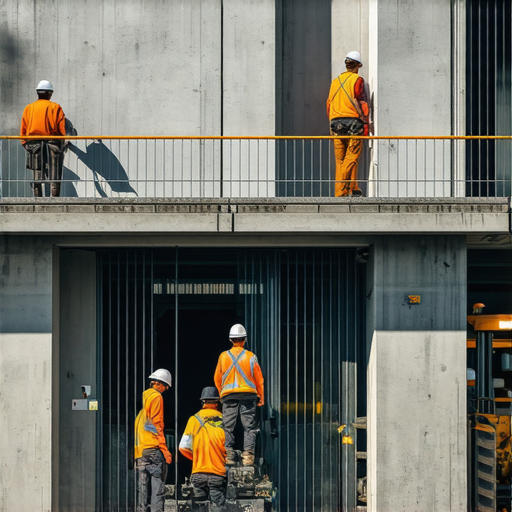

There was a bitter moment I won’t forget. I’d worked for months, pouring my savings and hopes into expanding my home. When I finally submitted my addition permit, I was brimming with excitement—only to get that dreaded rejection letter. My stomach sank. I felt overwhelmed, questioning if I’d missed something crucial, or if the bureaucracy was simply against me. That experience was a lightbulb moment, revealing just how complex and frustrating the permit process can be—especially when it’s your own home on the line.
Why Permitting Problems Can Stall Your Dream Home Expansion
If you’re reading this, chances are you’re in the midst of planning a home addition or new build, and the worst-case scenario has happened—you’ve encountered a permit denial. That sinking feeling? It’s common. Delays, rejections, and surprises are part of the process. And if not handled carefully, they can turn your dream project into a financial nightmare or a dead end. Did you know that according to industry estimates, about 30% of permit applications face hurdles that cause delays or rejection? That’s why understanding how to fix or avoid these issues is crucial, and I want to share what I’ve learned through personal experience and research.
Are Permits Really Worth the Hassle?
If you’re skeptical about whether putting effort into permit approval is worth it, trust me—I was there. I used to think permits were just a bureaucratic nuisance, an obstacle that delayed my plans unnecessarily. But early on, I made the mistake of rushing my application without proper research, which led to my initial rejection. I overlooked the importance of detailed documentation and local ordinance compliance, which are critical. Thankfully, I learned the hard way that thorough preparation and understanding permit processes can save time, money, and frustration in the long run. Want to know how to avoid my mistake and streamline your application? That’s what I’ll guide you through next. You can start by exploring resources like this comprehensive guide on cost estimation for home improvements to prepare your proposal properly.
So, if you’re nodding along, ready to turn your permit frustration into a manageable task, stay with me. We’re about to dive into four tested strategies to help fix your 2026 application and get you closer to the home you’ve envisioned.
Gather Complete Documentation Early
Start by collecting all necessary plans, permits, and compliance documents before submitting your application. I once overlooked a critical fire safety plan, which delayed my approval by weeks. To avoid this, use resources like cost estimation guides to prepare thorough documentation. Assemble floor plans, structural calculations, and environmental assessments to present a comprehensive package that reduces back-and-forth.
Research Local Regulations and Permitting Trends
Know the Rules Specifics
Visit your city’s building department website and review zoning laws. I remember spending an entire afternoon reviewing local ordinances; I found that certain setbacks or height restrictions weren’t clearly communicated initially. This led to avoidable revisions. To streamline, explore guides like permit requirement navigation for current regulations.
Identify Common Pitfalls
Learn from others’ mistakes—websites like common estimation errors highlight pitfalls that can also cause permit rejections. For example, mismatched plans or missing signatures can halt your process. Cross-verify all paperwork to ensure consistency.
Build Relationships with Local Authorities
Establish contact with permitting officials early to clarify requirements. I scheduled a casual call that uncovered unspoken expectations, like specific documentation formatting. This proactive step saved me from costly resubmissions. Use contact pages such as contact support to schedule consultations. Maintaining open communication can also expedite the review process.
Implement a Step-by-Step Review Strategy
Break down your permit application into stages: initial review, feedback incorporation, and final submission. When I applied for my permit, I used a checklist from estimating permit tips. Ensuring each phase was complete minimized revisions. Regularly revisit your application before submission to catch discrepancies or omissions.
Monitor and Follow Up Actively
Keep track of your application’s status through online portals or direct contacts. Don’t wait passively; if progress stalls, follow up promptly using courteous emails or calls. I once waited too long, leading to unnecessary delays. Setting reminders and using templates from permit approval tips kept me proactive. Persistence can make the difference between delays and approvals.
Be Prepared to Revise and Resubmit
Expect corrections—most applications require at least one revision. When my first submission was rejected, I analyzed the feedback carefully, revisited my plans, and submitted a revised version. This iterative process often involves legal reviews or additional plans, so patience is key. Using templates and checklists from permitting estimation guides helps ensure your resubmission addresses all feedback efficiently.
Many homeowners and builders operate under the false assumption that estimating costs for new builds or additions is straightforward—it’s simply plugging numbers into a spreadsheet. However, this simplistic view often leads to costly mistakes, especially when overlooked nuances catch you off guard. The common myth that a rough estimate suffices can be a dangerous trap; in reality, accurate estimation demands understanding complex, often hidden factors that influence your project budget.
One prevalent misconception is the belief that direct costs—materials and labor—are the only variables to consider. But in my experience, what most people miss are hidden costs, like permit delays, inspections, and unforeseen site-specific issues. Such factors can inflate your budget by 10-30% if not accounted for upfront. For instance, the permit process itself can be surprisingly unpredictable; delays, additional documentation, or changing regulations can significantly impact your timeline and costs. To navigate this, I recommend consulting reliable resources like cost estimation guides, which highlight these hidden expenses.
Another trap is relying solely on initial quotes from contractors or suppliers without considering escalation clauses or market volatility. Material prices, for example, have been notably volatile recently, underscoring the importance of contingency funds—usually 10-15% of your estimated costs—to buffer against surprises. This proactive approach prevents project stall-outs caused by unforeseen expenses.
The nuanced aspect that often trips up even seasoned project managers is the variability in local permitting requirements and inspection processes. Many assume that permits are a formality, but in reality, each jurisdiction can have vastly different standards and review times. An advanced estimator will analyze historical data specific to your area. According to industry experts, understanding these patterns and incorporating them into your timeline and budget estimates can dramatically increase your project’s likelihood of staying on track. Check out navigate permit requirements effectively for detailed insights.
Make no mistake, these hidden nuances can make or break your project—so don’t fall for oversimplified budgeting. Instead, dig deeper into each element, anticipate potential pitfalls, and include buffers. Doing so will save you both time and money—and keep your project moving smoothly. Have you ever fallen into this trap? Let me know in the comments.
Keeping Your Construction on Track with the Right Tools
In the complex world of home additions and new builds, leveraging appropriate tools is essential to ensure longevity and efficiency. Personally, I rely heavily on project management software like Buildertrend because it consolidates scheduling, documentation, and communication in one platform, reducing the risk of missed deadlines or overlooked permits. Using a centralized tool streamlines updates and keeps all stakeholders aligned, which is critical when managing multiple inspections or permit renewals. As trends lean toward digital integration, I predict that future tools will incorporate AI-driven analytics to predict project delays or permit issues, enabling proactive adjustments.
How do I maintain the system over time?
Regularly updating your project management system and integrating new features ensures your workflow remains smooth. Additionally, maintaining an organized digital archive of permits, inspection reports, and correspondence—similar to hosting a dedicated cloud folder—helps during audits or renewal processes. Routine checks on software updates and backing up your data prevents loss due to system failures. For physical tools, establishing a schedule for equipment maintenance, like inspecting drills or measuring tapes, extends their lifespan and prevents breakdowns that could stall progress.
The Power of Precise Documentation and Consistent Checks
Keeping detailed records isn’t just about tracking progress; it’s about safeguarding your project’s long-term viability. I use digital checklists and photo documentation apps like Evernote to log every step and issue. This habit makes it easier to revisit past decisions or provide proof for permit extensions. Consistent review of inspection reports and compliance documents ensures early detection of potential issues, reducing costly rework or delays down the line. Over time, these practices develop into a reliable system that can adapt as your project scales up or when planning multiple projects simultaneously.
Embracing Technology for Future Growth
Anticipating future trends, tools like drone surveying and AI inspection software will become mainstream, drastically reducing manual labor and increasing accuracy. Integrating these tech solutions now positions homeowners and builders to stay ahead. For example, using drone footage to verify site progress in real-time can catch discrepancies early, saving money and preventing permit disputes. Subscribing to services that offer these advanced capabilities, like expert insights on estimation tools, can make a significant difference.
To put this into practice, try scheduling quarterly reviews of your data and tools. Updating your digital records and performing routine inspections might seem mundane, but they form the backbone of long-term project success. Remember, successful maintenance isn’t just about fixing issues—it’s about building resilience into your workflow. For guidance on managing permits effectively, explore resources like understanding permit processes. Don’t underestimate the power of consistency; it can be the difference between a smooth project and a costly disaster.
Over the years, I’ve realized that mastering the permit process isn’t just about ticking boxes; it’s about understanding underlying issues that most homeowners overlook. One of my biggest lightbulb moments came when I discovered that many permit delays stem from overlooked details in documentation and misunderstandings of local regulations. Recognizing that proactive communication with permitting officials can drastically reduce approval times has transformed my approach to home expansion projects. Moreover, I’ve learned that embracing technology—like digital documentation tools—can safeguard your project against costly errors. These insights aren’t just lessons learned—they’re keys to transforming a bureaucratic maze into a manageable pathway toward your dream home.
Reading about these strategies really hits home for me. I went through a similar situation with my own home addition, and I know firsthand how overwhelming permit rejections can feel. The advice on gathering complete documentation early and building good relationships with local authorities is something I wish I had prioritized more. I found that clear communication with permitting officials sometimes can reveal overlooked requirements before submission, saving a lot of time and stress. Plus, embracing project management tools like Buildertrend, as mentioned, can be a game-changer for keeping everything organized and on track. One aspect I’ve learned is the importance of understanding local regulations deeply; each city has its quirks. Have others found success with specific resources or local contacts that help streamline this process further? I’d love to hear more tips from fellow homeowners who’ve navigated this maze.
Wow, reading your experience really resonates with me. I’ve also faced the frustration of permit denials and felt overwhelmed trying to navigate local regulations, especially without prior experience. What really helped me was building connections with permitted professionals in my area—they could often clarify requirements that were difficult to interpret from the city website. I also learned that early engagement with the permitting department can make a big difference; I scheduled a few informal meetings to understand their expectations, which avoided a lot of back-and-forth later. I’d be curious—has anyone here tried any specific local resources or community groups that provide insights on these regulations? Sometimes, getting direct advice from someone familiar with the area’s quirks saves so much time and stress. The tips about comprehensive documentation and consistent follow-up are spot on—these can turn a seemingly impossible process into manageable steps. Would love to hear more ideas on maintaining good relations with local authorities and avoiding common pitfalls.