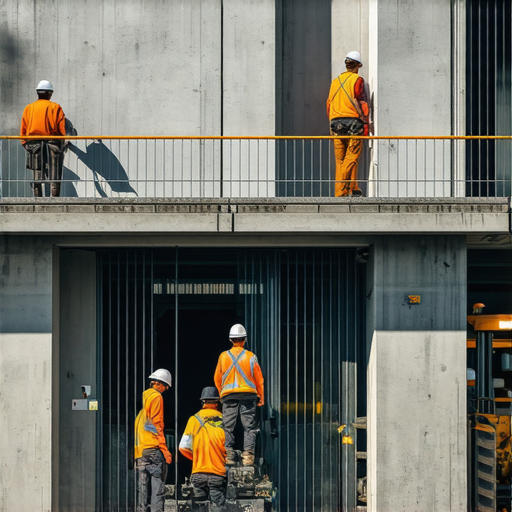

I remember the exact moment I realized I was heading for a costly mistake on a new build project. I had meticulously planned every detail but overlooked one critical aspect: reliable permitting and accurate estimating. When the permits finally stalled in approval, and the costs spiraled beyond my initial budget, I felt that sinking feeling many of us know too well. That experience taught me a vital lesson—without solid permitting strategies and precise estimates, a project can drift off course faster than you can say “building permit.”
How Proper Permitting and Estimation Can Save Your Project
If you’re anything like I was, the chaos of permits and the fear of budget overruns might seem like insurmountable obstacles. But here’s the truth: mastery of permit processes and detailed cost estimates are your best tools for a smooth journey from blueprint to completion. When I finally cracked the code—by learning to predict permit requirements accurately and estimate costs without guesswork—I saw my projects come together more seamlessly, with fewer delays and surprises. And that’s exactly what I want for you too. This post isn’t just theory; it’s packed with practical insights from my personal experience that can help you dodge the pitfalls I once fell into. Are you tired of permit delays or miscalculations sabotaging your builds? If so, stick with me. We’re about to uncover proven strategies to ensure your permits are approved on time, and your estimates are spot on—saving you money, stress, and time.
Is Fixing Permitting and Estimating Worth the Hype?
I used to believe that permits were just a bureaucratic headache, and estimating was guesswork at best. But I learned the hard way that sloppy permit planning and poor estimates can lead to project delays, financial strain, and lost opportunities. Early on, I made the mistake of underestimating permit complexities, assuming that quick approvals would be the norm. Spoiler alert: they’re often not. According to industry experts, proper planning can cut permit approval times significantly, and accurate estimates are linked to higher profitability and client satisfaction. For instance, I found that by investing time in understanding the permit process, I avoided unnecessary costs and hold-ups. If you’re questioning whether investing energy into these areas is truly worth it, I encourage you to reflect on the time, money, and stress saved when things go smoothly. Have you faced permit surprises that threw your schedule off course? If so, you’re not alone. And trust me, mastering these crucial aspects can transform your approach from reactive to proactive, ensuring your future projects are more predictable and successful.
Map Out Permitting Steps Precisely
Start by breaking down the permit process into clear, actionable tasks. Contact your local building department early to understand their requirements; this prevents surprises later. My personal experience involved a tricky zoning variance that threatened to delay my project by months. By scheduling a site visit and consulting with officials upfront, I identified required modifications that I could address ahead of time, avoiding costly reworks.
Gather Necessary Documentation
Compile detailed plans, site maps, and compliance reports before submission. Delays often occur when paperwork is incomplete. I once submitted plans missing a critical detail about drainage, prompting multiple resubmissions. Having a comprehensive packet streamlined approval and saved me weeks.
Follow Up and Communicate
Regularly check in with authorities to track progress. Establish a dedicated point of contact to clarify doubts quickly. This proactive approach helped me anticipate approval timelines and plan construction phases accordingly, reducing downtime and maintaining momentum.
Develop Accurate Cost Estimates
Use detailed itemization to forecast expenses. Instead of guessing, I adopted a step-by-step approach outlined in this guide to break down costs for materials, labor, permits, and contingencies. During my last project, I discovered that underestimating foundation costs caused budget overruns. Precise estimates allowed me to allocate funds more effectively and avoid surprises.
Break Down the Project Phases
Estimate each stage separately—site prep, foundation, framing, utilities, finishes. Applying this method reveals unexpected expenses early. I once found a miscalculation in utility hookup costs, which could have derailed my budget. Accurate phase estimates enabled me to negotiate better contractor rates rather than scramble for extra funds.
Add Contingency Funds Wisely
Set aside at least 10-15% of your total estimate for unforeseen issues. During a renovation, this buffer covered the cost of unexpected soil conditions, saving the project from halting. Use historical data and recent industry benchmarks to determine realistic contingency amounts.
Leverage Technology for Better Accuracy
Utilize estimating software and permit databases. These tools can automate calculations, cross-reference permit requirements, and flag potential issues. In my experience, digital models also aided communication among stakeholders, reducing misinterpretations that lead to errors or delays.
Consult With Experts
Engage with architects, engineers, or permit consultants early. Their insights can reveal hidden costs or permit intricacies. Once, a consultant pointed out an overlooked environmental regulation that, if ignored, would have caused a costly halt. Their expertise proved invaluable for a smooth approval process.
Maintain Organized Records
Keep detailed files of plans, correspondence, and approvals. This documentation proves essential if disputes arise or permits need renewal. I learned this lesson the hard way when a missing approval delayed a final inspection; organized records would have prevented it.
Adopting these core techniques transforms chaos into clarity. Deliberate planning and diligent execution of permitting and estimating steps are the backbone of successful construction projects. Remember: precision and proactive communication turn complex projects into manageable tasks—saving time, money, and stress.
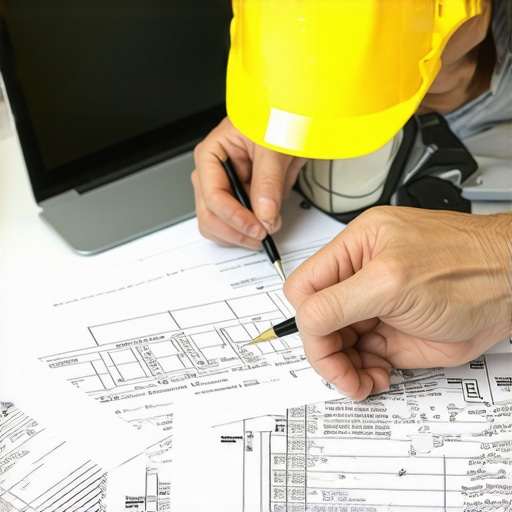 While many believe that straightforward permits and estimates are sufficient for successful construction projects, the reality is far more nuanced. A prevalent misconception is that permit processes and cost estimation are purely technical tasks, easily standardized across projects. However, in my experience, each project introduces unique variables—local regulations, environmental considerations, and evolving codes—that demand a tailored, expert approach. Overlooking these nuances often leads to costly delays and overruns. One common myth is that generic estimating software can replace detailed, site-specific analyses. In truth, automated tools are powerful but must be complemented with on-the-ground knowledge, including recent permit requirements and regional quirks. Failing to do so can cause estimates to be either overly conservative or dangerously optimistic. An advanced mistake many make is undervaluing the importance of early communication with permitting authorities. Building rapport and understanding their expectations can streamline approval timelines dramatically. For example, I once assumed that submitting complete documentation was enough, but proactive engagement uncovered potential issues before formal review, saving weeks. This proactive strategy is supported by experts like industry veteran Dan Fritschen, who emphasizes the critical role of pre-application consultations in avoiding surprises.
Why Do Common Estimating Errors Persist Despite Experience?
The answer lies in cognitive biases—particularly optimism bias and the illusion of control. Even seasoned professionals can fall prey to these traps, believing their project is an exception to the rules. Recognizing these biases is essential for refining your approach. Relying solely on past project data without adjusting for current variables leads to inaccuracies. Continuous learning and integrating updated regional regulations are crucial. For further insights, I recommend reviewing strategies outlined in this comprehensive guide on estimating. Moreover, mistakes like underestimating permit complexity are often rooted in a superficial understanding of local codes. Deep diving into local regulations, consulting with permit specialists early, and maintaining detailed, organized records can mitigate these risks. Remember, the key is to view permitting and estimating as dynamic processes—requiring ongoing attention rather than one-time tasks. Correctly managing these nuances transforms them from pitfalls into strategic advantages, ultimately saving money and time. Have you ever fallen into this trap? Let me know in the comments. For advanced strategies, it’s worth exploring how to accurately estimate costs for home improvements or navigating permit requirements for additions in 2025, which delve deeper into regional specifics and complex scenarios.Once you’ve navigated the permitting maze and crafted precise estimates, the next vital step involves maintaining momentum through effective tools and methods. In my experience, leveraging the right equipment and software ensures that your project stays on track long after the initial phases.
Investing in Reliable Equipment and Software
One of my top recommendations is using advanced project management software like Buildertrend. I personally rely on Buildertrend’s centralized platform for scheduling, document sharing, and real-time updates. It streamlines communication among architects, contractors, and clients, drastically reducing misunderstandings that could delay work. Additionally, investing in measuring and layout tools, such as laser distance meters like the Leica Disto, has been instrumental. These devices provide quick, accurate measurements on-site, ensuring that dimensions stay consistent and reducing rework caused by human error. On the hardware front, durable safety equipment is non-negotiable—not only for safety compliance but also to keep work progressing without hiccups caused by accidents or injuries.
Embracing Technology for Long-Term Results
As construction technology advances, integrating Building Information Modeling (BIM) has become a game-changer. BIM tools like Autodesk Revit allow me to visualize entire projects in 3D, detect conflicts early, and plan sequence more effectively. This digital approach minimizes costly mistakes later on and facilitates smoother scaling or modifications. Prediction-wise, I believe the trend towards automated data analysis will grow, enabling even better predictive maintenance and resource allocation. For ongoing success, I recommend adopting these tools early in your process—it’s an investment that pays off through fewer delays and enhanced quality.
How do I maintain the efficiency of my tools over time?
Regular calibration and updates are key. Sensors, laser devices, and software all require routine checks to ensure accuracy. Maintaining relationships with vendors for prompt updates or repairs can save you from unexpected downtimes. Moreover, dedicating time for team training ensures everyone knows how to utilize new features or equipment fully. I’ve found that staying current with industry best practices, as outlined in this guide, helps me adapt quickly and maximize my tools’ capabilities. Don’t hesitate to experiment with new tech—adding just one innovative tool or process can dramatically boost your project’s longevity and success. For example, try integrating a digital construction diary app to track daily progress and issues seamlessly, which enhances accountability and transparency.Throughout my journey in construction, I discovered that the most powerful lessons often come from the unexpected. One of these was realizing how superficial permit processes and estimates can sabotage even the most well-planned projects. I once trusted a permit consultant who promised quick approvals, only to find myself weeks behind schedule because I overlooked regional nuances. That experience taught me to dig deeper and question assumptions instead of relying solely on expert promises. Similarly, I learned that checklist-based estimates might seem thorough but can hide costly errors if they ignore project-specific variables like site conditions or regulatory updates. These lessons underscore the importance of continually challenging conventional wisdom and personal biases in construction planning. Trustworthy permit and estimation strategies aren’t just about following procedures—they require a mindset open to learning and adaptation, which I’ve found to be a game-changer in ensuring project success.