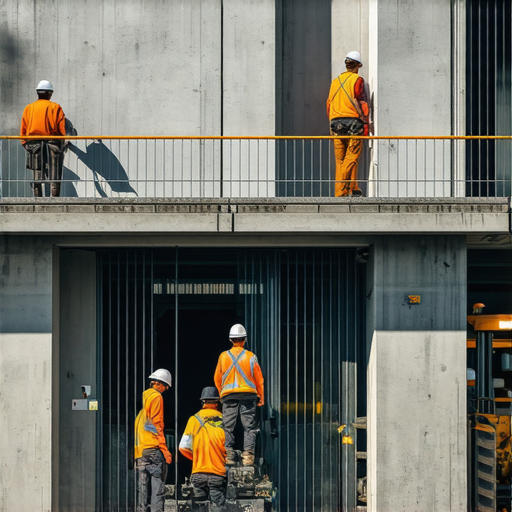

Ever been caught off guard on a new build, watching deadlines slip and budgets inflate while you scramble to make sense of permit requirements and estimates? I remember a time when I thought I had everything under control—only to hit a wall with unexpected permit delays and budgeting surprises. That lightbulb moment made me realize how crucial top-tier permit and estimating strategies are for a project’s success.
Why Getting Permit & Estimating Right Can Make or Break Your Build
In my early days, I underestimated how critical accurate permits and estimates are. A misstep here doesn’t just cause inconvenience—often, it stalls the entire project, leading to costly delays and strained relationships. Research shows that improper permit handling is a leading cause of project overruns, sometimes adding as much as 20% to final costs. That’s a staggering figure, underscoring how vital it is to master these aspects from the outset.
So, what’s the secret to navigating these tricky waters? Today, I’ll share tried-and-true approaches that I’ve relied on to keep projects on track. Whether you’re just starting or have faced setbacks before, these strategies can streamline your process, reduce risks, and give you peace of mind.
Is It Really Worth the Extra Effort? Don’t Discount the Power of Proper Permitting
I’ve made the mistake of rushing through permit applications early on, thinking I’d save time. Turns out, that shortcut cost me dearly when permits were denied or delayed due to incomplete paperwork. In fact, following expert permit tips, like those found on this guide, can significantly boost approval speeds and keep your project moving forward.
In the next sections, we’ll explore actionable steps to improve your permit and estimation game, turning a once-daunting challenge into a manageable process. Ready to get started on the path to more reliable, stress-free new builds? Let’s dive in and uncover strategies that really work.
Secure Your Permits Like a Pro
Start by compiling a comprehensive checklist of all required documents. When I tackled my first major addition, I created a spreadsheet outlining permit requirements from official sources. This eliminated guesswork and prevented overlooked forms that typically cause delays. Approach the permit process as an assembly line: gather, review, submit, and follow up systematically.
Use Checklists to Avoid Costly Oversights
I once missed a crucial environmental form because I relied on memory instead of a checklist. The delay cost me an extra two weeks. Now, I employ detailed checklists that cover every aspect, using permit approval tips to ensure nothing slips through. Remember, completeness reduces the risk of denial or additional requests for information.
Estimate Accurately from the Ground Up
Break down your project into components: foundation, framing, utility hookups, finishing. Think of estimating as assembling a puzzle: each piece must fit accurately to see the full picture. I learned this firsthand during a recent small-scale renovation. Instead of ballparking costs, I used step-by-step estimation guides to derive precise figures for materials and labor. This practice prevented surprises and helped secure better quotes from suppliers.
Get Detailed with Material and Work Price Lists
I once underbid a bathroom addition because I underestimated tile costs. Now, I consult detailed pricing lists, comparing vendor quotes and leveraging expert insights. Use current market prices, include contingency buffers, and document assumptions for future reference. Detailed estimates empower you to make informed decisions and avoid budget overruns.
Implement a Step-by-Step Follow-Up System
Establish regular check-ins to track permit application status and estimate adjustments. During my last project, I set weekly reminders linked to permit follow-up strategies. This proactive approach uncovered issues early, like missing documentation or underestimations, allowing quick corrections. Treat follow-up as a vital part of your workflow—not an afterthought—because persistent communication often accelerates approvals and keeps your project moving forward.
Leverage Technology to Stay Organized
I use project management apps that synchronize permit deadlines, estimate revisions, and communication threads, mimicking how top contractors streamline their workflows. Digital tools reduce manual errors and make tracking progress transparent. Incorporate alerts for upcoming deadlines and document relations—making sure nothing falls through the cracks, especially when juggling multiple permits or phases.
Document Everything for Future Confidence
Maintain detailed records of all correspondence, approvals, and estimates. This archive becomes invaluable if issues arise during inspections or if you need to revisit estimates for modifications. It’s like having a blueprint for your project’s history, helping you identify what worked and what didn’t. Over time, these records build a knowledge base, sharpening your permit and estimating skills for future endeavors.
Many homeowners and even seasoned builders fall into traps when estimating costs or navigating permits, often because of widespread myths that gloss over complex realities. One of the most persistent misconceptions is that permits are a bureaucratic hurdle designed to delay projects, whereas in reality, they are vital safeguards that ensure safety, compliance, and long-term value. Believing permits are optional can lead to costly legal issues and project delays, so understanding the true role of permits is essential for success.
Similarly, many underestimate the intricacies involved in accurate estimation, mistakenly trusting quick guesses or generic averages. This overlooks critical nuances such as regional material costs, labor availability, and project-specific variables. Advanced estimators know that step-by-step detailed estimation isn’t just about summing line items; it involves applying contingency buffers, market trend adjustments, and detailed supplier quotes. Ignoring these factors can lead to significant budget overruns, which are often disguised by oversimplified initial estimates.
Why do so many overestimate their grasp of permit complexity?
A common trap is the oversimplification of permit requirements, which might seem straightforward but often hide layered regulations. For example, a basic addition might require zoning variance, environmental assessments, and multiple agency approvals—each with its own procedures and timelines. The misconception that permits are a minor formality can result in overlooking necessary documentation, causing delays and fines. The key is to recognize that permitting involves a multi-stage, often iterative process that benefits from professional guidance and meticulous preparation. For insights on streamlining this, see permit strategies for new builds.
Another advanced mistake involves underestimating the impact of local laws and regulations that frequently change, especially with evolving building codes. Relying solely on outdated information can jeopardize the entire project timeline and budget. Staying current requires continuous research and professional consultation, emphasizing the importance of accurate, dynamic information sources. A recent study highlights that projects that incorporate up-to-date regulatory intelligence see a 15-20% reduction in delays and rework, underscoring this nuance’s significance.
Have you ever fallen into this trap? Let me know in the comments. Mastering these subtleties ensures your estimates are reliable and your projects remain compliant, paving the way for smoother, more predictable building journeys.
**Note:** For a comprehensive grasp of these topics, it’s wise to explore cornerstone resources such as reliable permit and estimation strategies that delve into practical tactics to avoid these pitfalls.
Investing in the Right Equipment for Long-Term Success
One of the most overlooked aspects of maintaining a smooth-building process is the quality of tools used throughout the project. I personally rely on high-precision laser distance meters, like the Leica Disto, because they provide quick, accurate measurements that drastically reduce errors in estimating and planning. This tiny investment in precision tools minimizes rework and helps ensure permits are based on reliable data, saving both time and money over the long run.
Why I Recommend Digital Calibration Software
Integrating software like PlanSwift has transformed my workflow. It allows me to create detailed estimates directly from digital plans, then cross-reference with actual material costs stored within the program. This synergy ensures that projections remain accurate even as prices fluctuate, and I can easily update estimates with a few clicks. As these tools continue to evolve, I predict a future where AI-powered estimators will become standard, automating much of the tedious number crunching and further enhancing project accuracy.
Routine Maintenance of Tools Keeps Results Consistent
To prevent unexpected breakdowns or inaccuracies, I dedicate time weekly to calibrate and clean my equipment. For example, verifying the calibration of my laser tools against known benchmarks ensures measurements stay trustworthy. Maintaining software licenses and updating databases also keep my estimates aligned with current market conditions. Remember, neglecting maintenance can introduce errors, leading to costly rejections or permit delays. Regular upkeep fosters consistency, and as noted in reliable estimating resources, this discipline is integral to project success.
How do I maintain tools and data for ongoing projects?
Developing a structured schedule for tool calibration, software updates, and data backups is key. I set monthly reminders to verify hardware accuracy and update my material cost databases, which are crucial for accurate permit applications and estimates. This proactive approach minimizes surprises and keeps my entire process synchronized. As technology advances, automation of these routines through integrated management systems is likely to become essential, ensuring that data remains accurate without manual intervention.
Try implementing a dedicated tool maintenance schedule today—it’s a small step that can significantly improve your project’s reliability and efficiency. For detailed tips, consider exploring reliable permitting and estimation strategies designed for the modern builder. Maintaining your equipment and data might seem simple, but it’s the backbone of long-term, stress-free project management, especially when scaling up your operations or handling complex additions.

Ensuring your tools are calibrated and reliable is vital for Long-Term project success. Visualize how regular maintenance keeps your measurements precise, avoiding costly rework and permit issues. A well-maintained toolkit becomes your silent partner in building trust and delivering quality results.
Become the Master of Maintenance Today
Don’t wait for equipment failure to remind you of its importance. Schedule regular checks and updates now, and experience fewer delays, better estimates, and smoother permit approvals. For a step-by-step guide tailored to modern builders, visit this resource. Start cultivating a maintenance routine today, and watch your projects unfold seamlessly.
The Hidden Lessons That Changed My Approach to Building
One of the most impactful lessons I learned was how much overlooked details could derail an entire project. Early on, I believed permits were just a bureaucratic hurdle, but I soon realized they are the backbone of a compliant and smooth construction process. Additionally, I underestimated the complexity of accurate estimates, assuming averages would suffice—until unexpected costs caught me off guard and stretched my budget thin.
Another insight came from understanding that technology and organization are your best allies. Utilizing digital tools and maintaining meticulous records transformed chaos into clarity, saving time and reducing errors. Perhaps most importantly, I realized that patience and thoroughness in permits and estimates pay off by preventing costly rework and delays, turning daunting tasks into manageable ones.
The Tools and Resources That Elevated My Building Game
To enhance my permit and estimating skills, I rely on trusted resources like the comprehensive guides found at this estimator guide. It’s invaluable for breaking down project costs. For permit strategies, the permit approval tips have saved me weeks of frustration. I also swear by project management apps that keep track of deadlines and documents, ensuring consistency and accountability. And to keep my tools sharp, I dedicate weekly time to calibration and software updates, which keeps my data trustworthy and my projects compliant.
Take Your Next Step with Confidence and Purpose
Your journey into mastering permits and estimating for additions and new builds is within reach. With the right mindset, tools, and resources, you can transform what once seemed intimidating into an empowering process. Embrace continuous learning, stay organized, and remember that thorough preparation today paves the way for successful, stress-free projects tomorrow. Ready to elevate your building projects and avoid common pitfalls? Dive deeper into these strategies and make your next build your best one yet.
What’s been your biggest challenge when dealing with permits or estimating costs? Share your experience below—I’d love to hear your story and help you find solutions!