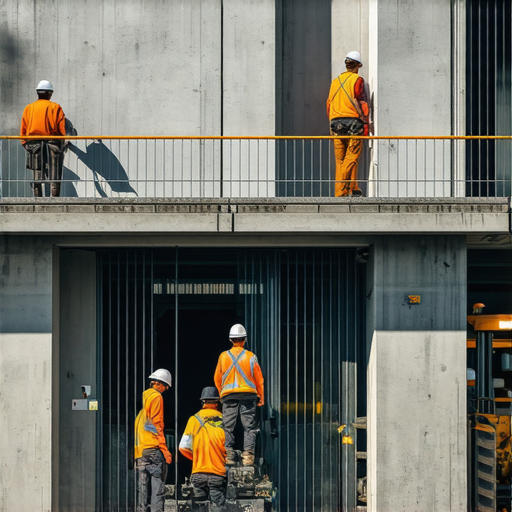

I vividly remember a day last year when I was elbow-deep in contractor estimates, desperately trying to piece together a complex project budget. Suddenly, I realized I was missing crucial details—costs that could make or break the entire build—simply because I hadn’t properly assessed permit requirements early on. That lightbulb moment spurred me to overhaul my entire strategy for handling permits and estimations, especially as regulations and expectations rapidly evolve. If you’ve ever found yourself blindsided by permit delays or underestimated costs, you’re not alone. Today, I’ll share how I transformed my approach, ensuring more reliable estimates and smoother permit approvals in 2024.
Why Getting a Handle on Permits and Estimations Matters More Than Ever
In the world of new construction and home additions, the stakes are higher than ever. Properly estimating costs and understanding permit processes can mean the difference between a project that finishes on time and within budget—or one that drags on in frustrating delays and budget overruns. According to recent industry insights, poor planning around permits can lead to delays exceeding 30% of the entire project timeline, and costs can escalate by thousands when overlooked.
Early in my career, I made the mistake of focusing solely on materials and labor, neglecting the critical permit aspect. I assumed permits would be a mere formality. That mistake cost me dearly—delays, rework, and unnecessary expenses. What I learned is that permits aren’t just bureaucratic hurdles; they’re integral to project success. By effectively estimating permits early and understanding the approval process, you can avoid costly surprises and keep your project moving seamlessly.
Are you tired of last-minute permit issues sabotaging your builds? Have you faced unexpected costs skyrocketing because of overlooked requirements? If so, you’re in the right place. Together, we’ll explore realistic, proven strategies to master permits and estimates, making your 2024 projects more predictable and less stressful.
Is Strictly Following the Rules Risky or Necessary?
One common skepticism I hear is that being too meticulous about permits and estimates might slow things down or feel overly cautious. I get it—I’ve been there. Early on, I thought cutting corners could speed up projects. But that approach is a false economy. In fact, ignoring the detailed permit process or rushing estimates leads to bigger setbacks later. A simple mistake—like underestimating a permit fee or missing an approval step—can result in severe delays and cost overruns.
Early in my journey, I underestimated permit complexities because I believed I could ‘wing it’—a classic rookie mistake. Now, I advocate for proactive planning. By reviewing the latest permit requirements—such as those detailed in expert guides on [navigating permit requirements](https://constructionedgez.com/navigating-permit-requirements-for-additions-in-2025)—and forecasting costs accurately, you lay the groundwork for project success. This mindset saves time, money, and stress in the long run.
In the sections ahead, I’ll break down practical steps to improve your estimating and permit strategies for 2024, so that you can confidently navigate the process like a seasoned pro.
Break Down Permit Requirements Early
Start your project planning by thoroughly reviewing local permit regulations. Visit your city or county’s official permitting website or contact the permit office directly to understand what approvals are needed. I recall a time when I neglected this step; I assumed permits for a modest addition would be straightforward. As a result, I faced unexpected delays because I hadn’t accounted for specific documentation or inspections required. To avoid this, create a checklist of all permit conditions, application forms, and associated fees. Cross-reference these with your project scope to identify applicable requirements early. This proactive approach prevents costly hold-ups and keeps your estimation accurate from the start.
Prepare Detailed Cost Estimates from the Ground Up
Approach estimates as if you’re building a financial blueprint—every material, labor, and permit fee should be itemized. Use the latest industry insights to guide your calculations, such as those offered in expert estimating guides. Avoid the temptation to lump costs together; instead, break down each component. I once worked on a home addition where I underestimated permit fees because I used an outdated average. Updating my approach with current data saved me from budget overruns. Think of estimating like assembling a puzzle—attention to detail ensures the picture is complete and reliable.
Leverage Software and Checklists for Accuracy
Utilize construction estimating software or digital spreadsheets to organize your costs systematically. Integrate checklists that cover all permit steps, inspection dates, and documentation. This digital approach minimizes human error and streamlines revisions. When I adopted a comprehensive spreadsheet aligned with permit requirements, I could quickly adjust estimates based on changes in regulations or scope. This real-time adaptability is crucial given how regulations evolve. Think of your software as a GPS—guiding you past pitfalls and keeping your project on course.
Consult Local Experts and Get Feedback
Engage with local permit consultants or experienced contractors who navigate the process regularly. They can provide insights into common pitfalls, recent changes, or unanticipated costs. I remember reaching out to a seasoned permit specialist for a particularly complicated zoning approval; their advice helped me adjust my estimates and secured quicker approvals. Building relationships with experts ensures you’re not working in the dark—which is like trying to navigate a maze blindfolded. For personalized guidance, consider reaching out through contact pages.
Iterate and Validate Your Estimates Frequently
Revisit your figures regularly, especially as project details firm up and permits progress through approval stages. Keep track of actual costs against your estimates to identify discrepancies early. I once had a project where I neglected this; the final permit fees exceeded my estimate by 15%. Regular validation allowed me to re-budget proactively. Think of estimation as an evolving map—your map gets more detailed and accurate as your project unfolds, guiding your next steps effectively.
Many assume that permits and estimates are straightforward steps in construction projects, but in reality, misconceptions about these aspects can lead to costly mistakes. One common myth is that detailed planning isn’t necessary until the last minute; however, proactive permit research and early estimation are vital for preventing delays and budget overruns. Another widespread error is believing that permits are solely a bureaucratic hurdle—when in fact, understanding the nuances of the permit process can expedite project approval and save time.
A significant trap to avoid is underestimating the complexity of permit requirements, especially as regulations evolve. For instance, recent studies by industry experts highlight that nearly 40% of project delays stem from permit-related issues that could have been anticipated with proper planning. By overlooking the importance of nuanced permit knowledge, contractors often fall into the trap of reacting to problems rather than preventing them.
Ever wondered how seasoned builders consistently stay ahead? They recognize that permits are not just paperwork but integral to the project’s lifecycle. For example, misjudging permit fees or inspection timelines can silently inflate costs—sometimes by thousands—if not properly accounted for during the estimation phase. This oversight emphasizes the importance of detailed, up-to-date cost estimating, a skill that many underestimate. Exploring resources like expert guides on estimating costs can provide essential insights.
Additionally, the assumption that permit processes are uniform across regions is flawed. Local regulations, zoning laws, and neighborhood restrictions vary widely, adding layers of complexity. The key is to familiarize yourself thoroughly with local requirements early in the planning process. Tools like guides on navigating permits in 2025 offer detailed strategies for mastering these regional differences.
For experienced contractors, the focus shifts to mastering the subtle nuances—such as understanding inspection sequences or documentation pitfalls—that can derail timelines. Investing time in consults with local experts and using dependable estimating software ensures estimates reflect current realities, avoiding the common trap of outdated data. Remember, the goal is not just compliance but streamlining the entire process.
So, when planning your next project, keep these nuances in mind. Recognize that permits are a dynamic component requiring ongoing attention, and estimates are best approached as living documents. Would you like to dive deeper into specific permit strategies or estimation techniques? Reach out to here for expert assistance. Don’t let misconceptions hold you back—master these aspects for a smoother, more predictable build. Have you ever fallen into this trap? Let me know in the comments.Maintaining your construction projects’ efficiency and reliability over time requires not only upfront planning but also the right set of tools and ongoing practices. One key tool I personally rely on is the PlanGrid app, which allows me to keep all project drawings, RFIs, and submittals organized and accessible from my tablet or phone. This continuous access ensures that as-site changes or permit updates occur, I can quickly update documents and communicate with my team without delays. Another indispensable resource is Esticom, a cloud-based estimating software I use to update project budgets dynamically. It helps me track changes, compare costs, and adjust estimates on the fly, which is crucial as scope evolves or new permit requirements emerge. Looking ahead, I predict construction management tools will become even more integrated with AI for predictive analytics—highlighting potential delays or cost overruns before they materialize. To sustain your projects efficiently, adopt a routine of regular review sessions using these tools, combined with periodic site audits. How do I maintain the project’s health over time? I prioritize consistent documentation and daily check-ins using digital checklists I customize for each project phase, ensuring ongoing compliance and timely issue resolution. Regularly revisiting permit guidelines via trusted sources like this resource keeps me aligned with evolving regulations, reducing the risk of costly delays. Remember, the more systematically you integrate these tools into your workflow, the less reactive and more proactive your management becomes. Don’t hesitate to experiment with advanced features such as AI-driven risk assessment modules in your estimating software to preempt issues—this small upgrade can significantly protect your bottom line. Want to ensure your long-term success? Start by implementing a digital document management system and commit to daily site check-ins—they’re small steps that pay off enormously in reliability and quality.
When Overconfidence Led Me Astray in Permitting
One of my biggest lessons was realizing that assuming permit processes would be straightforward often resulted in costly delays. I used to overlook regional variations and recent regulation changes, believing my past experience was enough. That complacency slowed down my projects and increased expenses. The turning point came when I spent dedicated time early on researching local permit updates and networked with municipal officials. This proactive approach paid off, saving countless hours and dollars. It taught me that staying informed and adaptable is crucial in the dynamic world of new builds and additions.
Why I Learned to Trust Industry Resources Over Gut Feelings
Initially, I relied on outdated averages and intuition for estimating permit costs and durations. This often led to underestimating budgets and missing deadlines. Then I discovered trusted sources like expert estimating guides and regional permit guidelines. Embracing these resources transformed my planning process, making estimates more accurate and permitting smoother. It became clear that data-driven decisions outperform assumptions every time, especially in a landscape constantly reshaped by new regulations.
How Small Changes Amplify Long-Term Construction Success
Implementing small habits, such as reviewing permit step-by-step checklists daily and updating estimates with the latest regulatory info, significantly improved my project outcomes. These practices prevented surprises, kept my team aligned, and built trust with clients. I also adopted digital project management tools like PlanGrid and Esticom, which allowed me to stay agile. This continuous attention to detail isn’t just about avoiding problems; it’s about creating a culture of reliability that sustains long-term growth and reputation in the industry.
Resources That Changed the Way I Approach Permitting and Estimations
Among the most valuable tools I found are comprehensive guides on estimating, local permit lookup services, and construction management software like Esticom. Each one provides specific insights, reduces guesswork, and ensures my projects meet current standards. Building relationships with permit consultants and local authorities also offers strategic advantages, helping to navigate complex or emerging requirements more confidently.
Your Next Step Towards Flawless Builds
Taking action now—digging into regional permit laws, updating your estimating methods, and leveraging tech tools—can drastically improve your project reliability. Remember, success in new build projects hinges on the mastery of permits and estimates, especially as regulations become more complex. So why wait? Dive into these resources, refine your processes, and share your experiences below. Have you ever faced unexpected permit hurdles that caught you off guard? Let me know in the comments, and let’s learn together.
Reading this post really resonated with me because I’ve experienced similar surprises with permit costs and delays early in my projects. I agree that detailed, early planning around permits is crucial, but I’ve also found that maintaining good relationships with local permit officials can make a big difference in smoother approvals. When you have open communication, they often give guidance on upcoming changes that could impact your project timeline. I’ve started to set up regular check-ins with my city’s permitting office to stay ahead, especially when regional regulations shift unexpectedly. It’s also helped to keep a flexible budget that accounts for potential permit fee increases or additional inspections. How do others manage the balance between thorough planning and staying adaptable when regulations evolve rapidly? Any tools or strategies you’ve found effective for keeping estimates current and realistic in such dynamic environments? Would love to hear insights from those who handle permits in complex zoning areas.
This post really hits home for me, especially the part about early permit research. In my experience, my biggest hurdles often came from underestimating the complexity or timeframes involved in permit approval, especially when local zoning laws are constantly changing. I’ve found that creating detailed permit checklists and maintaining close communication with municipal officials early on has saved me a lot of frustration later. It’s also been helpful to build relationships with local permit consultants who can provide insights on regional nuances and recent updates—saving me from relying solely on outdated or generic information. One thing I’d love to hear from others is how they stay updated with fast-evolving regulations—are there industry-specific tools or newsletters you rely on to keep your estimates accurate? Or perhaps some digital platforms that integrate permit updates directly into your project planning? Understanding how to stay ahead in this area seems increasingly crucial as regulations become more complex, especially across different jurisdictions. Would appreciate hearing what’s worked well for others in managing permit complexities on multiple projects.