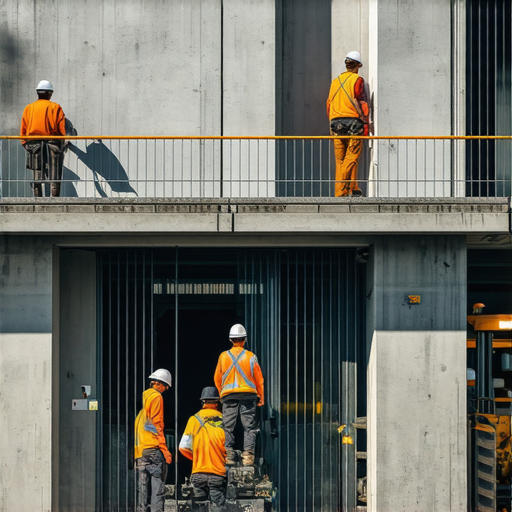

I vividly remember the sinking feeling in my gut the day I discovered my own overlooked permit during a home addition project. It didn’t just cause delays; it nearly tanked the entire budget. That moment was a lightbulb, illuminating how critical effective permitting and accurate cost estimation are—yet, I see homeowners and DIY enthusiasts fall into avoidable traps all the time. In today’s post, I promise to share practical tips and insider insights to help you navigate the permitting maze and estimate your project costs confidently, saving you time, money, and stress.
The Real Cost of Getting Permitting & Estimates Wrong
Many folks underestimate the importance of proper permitting. Home additions require permits to ensure safety, compliance, and to avoid legal issues down the line. Skipping or rushing this step might seem like a shortcut initially, but it often leads to costly reworks or fines. Moreover, inaccurate cost estimates can spiral out of control, leaving you with unpleasant surprises. For instance, a survey by the Home Improvement Research Institute suggests that improper budgeting is responsible for nearly 40% of home renovation delays. That’s almost half of all projects! I’ve personally experienced situations where poor estimates led to project stalls or compromises on quality.
If you’re planning a significant addition, understanding permit requirements and mastering cost estimation from the start can spell the difference between success and chaos. Thankfully, there are tried-and-true strategies that can help you tackle these areas with confidence.
Are Permits Worth the Hassle or Just More Red Tape?
Sure, permits can be an unwelcome hurdle, but their value can’t be overstated. They not only protect your property and ensure compliance but also add resale value by establishing credibility. Early missteps—like assuming permits are unnecessary—have cost me dearly in the past. I once tried to expedite a project by skipping inspection reviews, only to face rework and fines months later. The key is understanding the permit process and what it entails. For a comprehensive guide, check out [this article](https://constructionedgez.com/understanding-permit-processes-for-successful-home-additions) which breaks down the process in simple terms.
Accurate estimation goes hand-in-hand with permitting—knowing your costs upfront helps in planning, obtaining approvals, and preventing surprises. I learned this the hard way, underestimating labor costs for a basement expansion, only to scramble midway through. Having reliable estimates not only keeps your project on schedule but also helps secure financing if needed. For detailed estimation tips, I recommend reviewing [this step-by-step guide](https://constructionedgez.com/estimating-home-additions-a-step-by-step-guide-for-2025).
Now, let’s dive into how you can implement effective permitting and cost estimation strategies that set your project up for smooth sailing, starting today.
Secure Your Permits First: Don’t Skip This Step
Start by researching local building codes and permit requirements specific to your area. Contact your city’s building department or visit their website to gather detailed information. When I did this for my attic conversion, I made a checklist of permits needed, which helped me stay organized and avoid last-minute surprises. Apply for the necessary permits early, submitting all required documents, drawings, and plans. Keep a copy of your submissions and any correspondence to track progress efficiently.
Gather Precise Documentation
Prepare detailed plans, including drawings and specifications, that clearly show your project’s scope. Consider hiring a licensed architect or draftsman if your plans are complex, as their professional stamp may be required for permit approval. This step ensures your submission aligns with code requirements, speeding up approval. When I submitted mine, providing clear, detailed plans reduced review time and prevented queries that could delay the project.
Connect with Inspectors and Follow Up
Establish communication with local inspectors; a quick call or email can clarify ambiguities. Once your permit is approved, schedule inspections in accordance with your project phases. During my project, proactive contact with inspectors helped me address minor issues before inspection, smoothing the process and avoiding re-inspections.
Track Permits and Maintain Compliance
Keep organized records of all permits, approvals, and inspection reports. Use a dedicated folder or digital system to monitor renewal dates or additional approvals needed. Non-compliance or missed inspections can cause delays and fines, so stay vigilant.
Estimate Costs with Confidence
Break down your project into key components: materials, labor, permits, and contingency funds. Use reputable sources and local pricing data to inform your estimates. I found that relying on online calculators alone was risky—I cross-checked them with quotes from suppliers and contractors to ensure accuracy. Remember, accuracy in initial estimates keeps your project from spiraling into unexpected expenses.
Use Detailed Estimation Tools
Leverage dedicated software or templates aligned with industry standards, like those found in this comprehensive guide. Incorporate line-item costs for each task and material. When I used such tools, I could identify cost drivers and adjust my plans accordingly, saving money and avoiding over-budgeting.
Factor in Hidden Costs and Contingencies
Always add a cushion—typically 10-20%—for unforeseen issues such as delays, material price fluctuations, or design changes. Reflect on a project where I underestimated site prep costs, which led to last-minute adjustments. Including contingencies, though initially inconvenient, saved me from budget overruns later.
Consult Professionals When Needed
Engage with contractors or estimators for accurate figures, especially for specialty work like electrical, plumbing, or foundation. Their expertise can reveal costs you might overlook. I hired a third-party estimator, who pointed out costs I hadn’t considered, ultimately helping me stay within budget.
By systematically following these steps—starting with permits, maintaining diligent records, and employing precise estimating—you set a solid foundation for your home addition project. For a detailed breakdown, check out this expert guide on cost estimation. Mastery of these core techniques ensures you’ll be prepared to tackle both permits and budgeting with confidence and clarity.Many homeowners believe that permitting is a mere bureaucratic hurdle and that rough estimates suffice for budgeting, but these assumptions can lead to costly setbacks. A prevalent myth is that permits are optional or only necessary for major structures; in reality, skipping permits can result in fines or having to redo work to meet code, ultimately costing more than complying upfront. Similarly, many underestimate how complex accurate estimating truly is, especially for additions, where factors like legacy utilities or unique site conditions can introduce hidden costs. These nuances are often overlooked, leading to project delays and budget blowouts.
A tricky aspect is the misconception that permits only concern the initial approval. However, permits often require ongoing compliance checks, especially for renovations involving structural changes or electrical work. Ignoring these can cause inspections to fail, halting construction until corrections are made—an unanticipated expense that many overlook. To minimize these risks, consult authoritative resources like [this guide on permit procedures](https://constructionedgez.com/permits-for-new-builds-essential-tips-for-your-project) and ensure thorough planning from the outset.
When estimating costs, most people rely solely on online calculators or past project experiences, but this neglects site-specific factors and future price fluctuations. Advanced homeowners or professionals assess detailed line-item costs, incorporate contingencies, and utilize sophisticated software for precision. This allows for more reliable budgets and smoother project execution. Remember, a well-crafted estimate considers not just material and labor costs but also potential unforeseen expenses—something the average DIYer might miss.
How do you avoid these pitfalls? Expert project managers emphasize early contractor engagement, detailed scope definition, and ongoing permit management to stay on track. For instance, coordinating with inspectors early can prevent delays, and maintaining organized records ensures swift approvals. Moreover, understanding the full scope of permits, including secondary approvals for specific work, can save headaches later. To deepen your knowledge, explore [this resource on permit approval strategies](https://constructionedgez.com/permit-approval-tips-for-seamless-home-additions) and [this guide on accurate estimating](https://constructionedgez.com/estimating-home-additions-a-step-by-step-guide-for-2025).
Avoiding these common traps requires a blend of knowledge, proactive planning, and attention to detail. Remember, the difference between a successful project and a stressful ordeal often lies in mastering the nuanced aspects of permitting and estimation. Do you have any stories of underestimated costs or permit surprises? Share your experience in the comments and let’s learn together!Successfully managing a home addition requires more than just initial planning; it demands ongoing tools and strategies to keep everything on track. Over the years, I’ve refined a toolkit that helps me monitor progress, stay compliant with permits, and keep costs under control. Sharing these insights, I hope you’ll find them as valuable as I have.
Streamlined Permit Tracking with Digital Platforms
One of my go-to methods for keeping permits organized is using a dedicated project management app like Trello, integrated with cloud storage. I create a board specifically for permits, adding checklists for each approval stage, deadlines, and required documents. This system eliminates the chaos of paper trails and ensures I don’t miss renewal dates or inspection appointments. For those handling multiple projects, linking this with Google Drive or Dropbox allows instant access to plans and correspondence. To delve deeper into permit management, I recommend reviewing this guide on reliable permits.
Photographic Documentation for Compliance
Regularly capturing progress photos via a dedicated app simplifies compliance checks. There’s no substitute for visual records when liaising with inspectors or resolving disputes. I use a simple yet effective app like Evernote, tagging images with timestamps and notes about progress or issues. Not only does this method provide real-time documentation, but it also creates an audit trail that can be invaluable if disputes arise. Furthermore, these photos serve as reminders when estimating future steps based on actual site conditions. As per [this expert resource](https://constructionedgez.com/understanding-permit-processes-for-successful-home-additions), visual records significantly streamline permit approvals.
Cost Management with Advanced Estimation Software
Manual estimates are prone to error, especially when handling complicated additions. I invested in software like Buildertrend or CoConstruct, which integrates budgeting, scheduling, and communication tools into one platform. These programs allow me to input detailed line items for materials, labor, permits, and contingencies. I also review recent estimates from local suppliers within these platforms to ensure accuracy, which is crucial for maintaining control over the budget. If you’re ready to elevate your project management, explore this comprehensive guide on estimating.
Regular Check-Ins via Communication Apps
Clear communication prevents delays and misunderstandings. I rely on WhatsApp groups or Slack channels dedicated solely to my project team. These platforms facilitate quick updates, decision-making, and sharing of documents or site photos. For larger projects, I schedule weekly virtual check-ins to review progress, address concerns, and adjust timelines if needed. Consistent communication fosters accountability and keeps all stakeholders aligned. According to industry experts, such proactive engagement is a best practice for maintaining project momentum.
Preparing for the Future with Smart Tools
As technology advances, I predict a surge in the use of AI-powered project analytics and IoT sensors to monitor site conditions in real-time. These innovations will enable faster responses to potential issues, ensuring long-term success. To get ahead, I recommend trying tools that automate compliance tracking and offer predictive insights based on current project data. Implementing these early can provide you with a competitive edge, reducing surprises down the line. To start, explore modern estimation strategies for homeowners.
How do I maintain my project tools over time?”
Routine updates, backups, and periodic reviews of your digital systems are essential. Regularly audit your software subscriptions to ensure they still meet your needs, and back up all project data in multiple secure locations. Staying current with software updates and new features can improve efficiency and security. Additionally, foster a habit of reviewing your documentation procedures to adapt to any regulatory changes or project scope modifications. Embracing a proactive maintenance mindset will ensure your toolkit remains reliable and effective throughout your project’s lifecycle.Embarking on a home addition project can be both exciting and daunting, but the lessons I’ve learned along the way can help you avoid costly pitfalls. One of my most illuminating experiences was discovering I had overlooked a permit—something that nearly derailed my entire project and budget. That moment underscored the crucial importance of meticulous permitting and precise cost estimation, especially for complex additions. By sharing these insights, I hope to empower you with practical strategies to navigate permits confidently and estimate costs accurately, transforming what might seem like a labyrinth into a well-charted path.
Lessons That Changed My Approach to Home Additions
- Permits Are Your Best Ally: I used to think permits were just bureaucratic hoops, but I realized they’re safeguards that prevent future headaches. Skipping them might save time initially, but the risk of fines, rework, or unsafe structures can quickly eclipse those savings. Taking the time early on to understand permit requirements in your area is essential, as detailed in this comprehensive guide.
- Accurate Estimates Save Stress: Relying solely on online calculators or guesses isn’t enough, especially for sophisticated additions with unique site conditions. I learned to break down costs into detailed line items, consult local suppliers, and include contingencies—a practice I detail in this step-by-step estimating guide. It’s truly a game-changer for budget confidence.
- Think Long-Term and Stay Flexible: Unexpected costs and permit delays are part of the process. Setting aside a contingency fund of 10-20% and maintaining adaptable plans have saved me from budget overruns. The key is proactive communication with inspectors and professionals, which ensures smoother progress, as outlined in this expert advice.
- Leverage Technology for Better Oversight: Using project management apps and digital documentation tools has streamlined my permit tracking and cost monitoring. Regular updates, organized records, and clear communication keep everything on track, making the project more manageable.
My Trusted Arsenal for Permitting and Estimating
- ConstructionEdgez.com: For up-to-date permit requirements and step-by-step guides, nothing beats their insights—especially the articles about navigating permit complexities.
- Estimating Software like Buildertrend: These tools let me create detailed budgets, track expenses, and adapt quickly when surprises occur, fostering peace of mind throughout the project.
- Local Supplier Quotes: I cross-reference online calculators with real-world quotes for accuracy, which has been instrumental in keeping my estimates reliable.
- Permit and Inspection Records in Cloud Storage: Organizing all documents digitally ensures I have quick access and can meet compliance deadlines without stress.
Seize the Moment and Build With Confidence
Taking charge of permits and accurate cost estimates transforms your home addition from a potential chaos into a rewarding journey. Every step informed by experience and the right resources helps you avoid pitfalls and achieve your dream space with less stress. Remember, meticulous planning, proactive communication, and embracing technology are your best allies in this process.
Are you ready to start your home addition journey with confidence? Share your thoughts or questions below—I’d love to hear about your project and help you navigate the permit and estimation maze.
This post really hits home. I remember my first project where I overlooked the permit process entirely—thinking it was just extra paperwork. The fallout was a lot of rework, and it delayed everything by several weeks, not to mention the unexpected fines. Having learned the hard way, I now see how essential early permit planning is, especially when dealing with complex additions involving multiple trades. I’ve started using project management tools like Trello to track permits, inspections, and documentation, which has made a huge difference in staying organized and proactive. Regarding estimating costs, I agree that relying solely on online calculators can be misleading; getting quotes directly from suppliers and adjusting for contingencies has given me far more reliable budgets. For anyone starting a renovation, do you think integrating smarter tech like IoT sensors for monitoring progress could add value? I’d love to hear others’ experiences with new tools or strategies that helped keep their projects on track.
This post really underscores how foundational proper permitting and precise budgeting are in any home addition project. I especially resonate with the part about maintaining detailed documentation and proactively engaging with inspectors—practices that saved me so much stress during my recent renovation. One thing I’ve found particularly helpful is using digital project management tools similar to Trello, which allow me to keep track of permits, inspection dates, and correspondence all in one place. It’s surprisingly effective at preventing oversights. Regarding estimating costs, I totally agree with cross-referencing online calculators with actual quotes from suppliers; relying solely on generic estimates can be very misleading, especially with supply chain fluctuations. Have any other homeowners tried integrating new tech, like IoT sensors or project analytics AI, to monitor progress or costs in real time? I’ve heard those tools might add extra efficiency and early warning systems for potential delays. Would love to hear personal experiences or suggestions on innovative tools that truly made a difference in keeping projects on track.
Reading this post really brought back memories of my first home addition project where I underestimated permit requirements and ended up facing a major delay. It’s so easy to think permits are just bureaucratic paperwork, but as I’ve learned through experience, they are vital for avoiding costly rework and potential fines. What really helped me was investing time at the beginning to thoroughly research local codes and maintain detailed records of all permit applications and inspections. Using digital tools like project management apps also made organizing documents and tracking deadlines much easier. On the estimating side, I found that cross-referencing online calculators with direct quotes from contractors and suppliers provided much more reliable budgets. Have others found that integrating technology like IoT sensors or project management platforms significantly improves oversight and prevents surprises? I’m curious to hear about tools or strategies that have made your projects smoother and more efficient.
Reading through this detailed post really resonated with my own experience of managing a home addition. One thing I learned the hard way was how critical it is to have a clear, detailed scope from the beginning. I underestimated how much site-specific conditions could impact both permitting and costs, especially when dealing with older plumbing and electrical systems. Using professional estimators and detailed software definitely helped, but I also found that maintaining a flexible budget — with a 15% contingency — prevented stress when unexpected issues arose. I also started utilizing digital tools like PlanGrid to keep all documentation accessible for inspections and revisions. My question for fellow DIYers and homeowners — what’s your top tip for staying flexible without sacrificing quality? I’d love to swap ideas on how to keep projects running smoothly while managing complex variables like permits and unexpected costs.