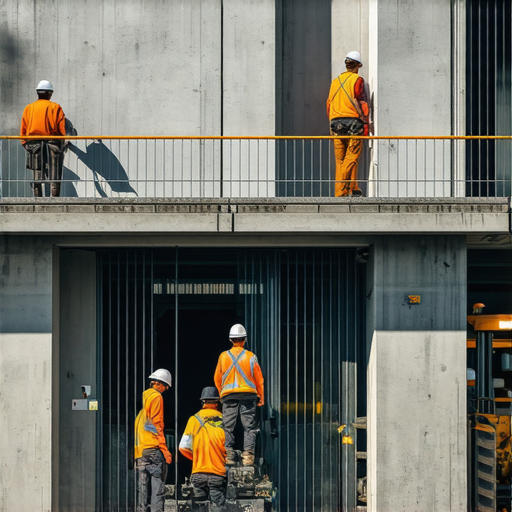

I remember the exact moment I realized I’d bitten off more than I could chew with my last home addition. It wasn’t the complexity of the design or the permits I hadn’t anticipated; it was the shockingly inaccurate estimates I relied on. I overlooked how critical precise budgeting and understanding permit nuances are in ensuring a smooth construction process. That lightbulb moment made me vow to get better at it, and today, I want to share what I’ve learned.
Why Getting Estimating and Permitting Right Matters Now
In the world of construction, especially for new builds or home additions, the difference between success and a frustrating nightmare can often boil down to one thing: accurate estimating combined with a solid permit strategy. With costs skyrocketing and regulations evolving—sometimes faster than we can keep track of—many homeowners find themselves caught off guard, facing delays and budget overruns.
According to a recent industry survey, misestimating project costs is responsible for nearly 60% of project delays in residential construction. That’s a staggering number, but it highlights a simple truth: if you don’t plan well upfront, your entire project can suffer. My early mistake was relying on generic estimates and not paying enough attention to local permit requirements, leading to costly surprises.
The good news? From my journey, I’ve gleaned effective strategies that streamline estimation and navigate permits confidently. Whether you’re planning a small addition or a full-scale new build, understanding these foundational principles can save you thousands of dollars—and a lot of stress.
Curious if you’ve fallen into the same pitfalls? Have you ever been caught off guard by permit delays or underestimated your project costs? If so, you are not alone. The key is to be proactive, informed, and strategic from day one.
Let’s dive into how you can master these crucial aspects and transform a daunting task into a manageable, even enjoyable, process.
Break Down Your Project into Manageable Parts
Begin by segmenting your project into smaller, specific tasks such as foundation, framing, roofing, and interior work. This granular approach allows you to estimate each segment accurately and identify potential permit requirements early on. I once tackled a home addition where I listed every step in a spreadsheet, which made spotting cost hotspots easier. Refer to this guide for detailed estimation techniques.
Use Reliable Estimation Techniques
Precise estimates stem from solid methods. Input current material prices, labor rates, and contingency buffers. Avoid generic ballpark figures; instead, consult local suppliers and subcontractors for quotes. I called multiple suppliers for a small deck project, comparing prices to ensure my estimate was realistic. This proactive approach prevented surprises later. Learn more at this step-by-step guide.
Create a Detailed Permitting Checklist
Identify all necessary permits before breaking ground. Break the checklist into permits for electrical, plumbing, structural changes, and zoning approvals. I once missed a permit for an electrical upgrade, which delayed my project by two weeks. To avoid this, I reviewed local regulations using resources at this page. Having a permit checklist keeps the process transparent and on schedule.
Engage with Local Authorities Directly
Schedule meetings or calls with local planning departments to clarify permit specifics. Personal interaction helps you understand nuances that online documents might miss. When I contacted my city’s building department, I uncovered an unadvertised requirement for a setback variance, which I addressed proactively. Building rapport with officials can streamline approvals—find tips at this resource.
Leverage Technology for Estimating and Permits
Utilize estimating software and digital permit portals to track progress and approvals. I adopted a construction management app that integrated budgets and permit statuses, reducing errors and follow-up time. Digital tools keep everything organized and accessible, saving headaches. Detailed comparisons and suggestions are available at this article.
Monitor and Adjust Your Estimates Actively
Review estimates regularly against actual expenses during construction. Adjust as needed to stay within budget and compliance. For instance, I re-evaluated material costs midway through my project, which saved hundreds after market price shifts. Staying flexible ensures your project remains on track. For best practices, visit this resource.
Many homeowners assume that obtaining permits and estimating costs are straightforward steps—yet, this oversimplification often leads to costly mistakes. One common myth is that permits are a mere bureaucratic hurdle, when, in reality, they involve specific nuances that can make or break your project. For instance, some believe that permit requirements are uniform across different jurisdictions; however, local zoning laws and building codes can vary significantly, impacting both timelines and costs. Ignoring these distinctions can result in unexpected delays or fines, emphasizing the importance of thorough research. Additionally, many underestimate the complexity of accurate cost estimation, especially for custom builds or additions. Relying solely on generic estimates without considering local material prices, labor rates, and market fluctuations can introduce a substantial margin of error. This mistake is especially risky during periods of economic upheaval when costs can shift rapidly, making proactive and detailed estimation strategies essential. An advanced mistake often overlooked is the failure to anticipate potential permit delays due to backlog or bureaucratic intricacies. Engaging directly with local authorities early in the planning process can save valuable time—consulting resources at this page provides valuable insights into navigating these challenges effectively. Moreover, many owners neglect the importance of building contingency budgets that account for permit revisions or additional inspections. Studies have shown that unanticipated permit-related expenses can inflate overall project costs by up to 20%, so planning for these contingencies is vital. Curious about how to refine your estimating and permitting approach? Check out this comprehensive guide for expert strategies that can prevent costly surprises. Remember, mastering these nuances requires a blend of research, local knowledge, and proactive communication. Have you ever fallen into this trap? Let me know in the comments and share your experience.
Invest in Reliable Equipment and Software
In my experience, high-quality tools are the backbone of efficient and accurate construction management. I personally rely on the estimating software I use daily—it’s intuitive and allows me to track costs, permits, and progress in real-time. For example, my subscription to SiteMapPro, a project visualization tool, has drastically reduced miscommunications with subcontractors and minimized delays. When choosing tools, prioritize those with regular updates and strong user communities. As technology advances, upcoming innovations like AI-driven estimation platforms are poised to make project planning even more precise, moving us toward truly predictive construction management.
Develop a Routine for System Checks and Updates
Regular maintenance of your digital and physical tools is essential. Set a weekly schedule to verify that software licenses are current, backups are completed, and equipment like drills or laser levels are functioning correctly. I keep a checklist based on manufacturer guidelines and my past experiences, which I review each month. This habit prevents unexpected breakdowns that can halt progress. For digital systems, I make sure to update software and firmware—skipping updates can expose you to bugs or security vulnerabilities. Staying proactive with maintenance ensures that your tools serve you reliably over the long haul, reducing costly downtime and keeping projects on schedule.
Track and Analyze Your Long-Term Results
Create a system for reviewing past projects’ data—costs, permit timelines, and setbacks. This retrospective helps identify patterns and areas for improvement. I use spreadsheet templates that allow me to input actuals versus estimates, highlighting where inaccuracies occurred. For example, I observed that permit delays averaged two weeks across several projects, prompting me to engage more proactively with local authorities early in each new build. Collecting and analyzing this data not only improves future estimates but also informs you about which aspects of your process need refining. As Jon Peters, a construction analytics expert, states, “Data-driven decision-making is transforming how builders control costs and schedules” (source: here).
How do I keep my tools up to date and functioning well over time?
Implement a routine maintenance schedule that includes software updates, hardware checks, and calibration. Regularly review your processes by analyzing project outcomes to fine-tune your approach. For example, I set quarterly reviews for my estimation methodologies, incorporating new market data and lessons learned. This habit ensures your system remains accurate and efficient, setting you apart from less organized competitors. Try adopting a digital checklist to automate reminders and track maintenance tasks—it’s a simple step that yields long-term reliability. Don’t forget, staying ahead in construction today requires leveraging the latest tools effectively; staying vigilant about maintenance is key. For more detailed strategies, check out this guide to keep your systems optimized and trustworthy.
The Hardest Lesson I Learned About permit,new build,estimating,additions
One of the most eye-opening realizations I had was how overlooked small details, like permit nuances, can cause significant setbacks. Early in my projects, I underestimated the complexity of local zoning laws, which led to costly delays. This taught me to prioritize research and dialogue with authorities as a core part of my planning process.
What Surprised Me About Cost Estimates and Permits
I discovered that relying solely on generic estimates is a recipe for disaster. Each region has its own material costs and regulatory quirks. Engaging directly with local suppliers and officials revealed hidden costs and permit intricacies I never anticipated, saving me from surprises down the line.
Why Communication Became My Best Tool
Proactive communication shifted my entire approach. Scheduling meetings with local departments and asking detailed questions uncovered permit requirements early, preventing hold-ups. Building relationships with officials turned out to be invaluable for streamlining approvals and understanding the unspoken rules.
How Embracing Technology Changed the Game
Investing in estimation software and digital permit portals dramatically improved my project accuracy. These tools allowed me to track costs and permit statuses in real-time, reducing errors and follow-up delays. Embracing technology is no longer optional; it’s essential for success in modern home addition projects.
Bottom Line: Growth Comes From Disclosure
The key takeaway? Being transparent with yourself about pitfalls and actively seeking knowledge transforms overwhelming projects into manageable ventures. Every misstep is an opportunity to learn and refine your strategy, especially as regulations and costs evolve faster than ever before.
Curated Tools That Elevated My Projects
- Construction Edgez Estimating Software: I trust its detailed databases and real-time tracking features, which keep my budgets grounded.
- Local Permitting Websites: Regularly consulting local government portals helps me stay ahead of changing regulations and requirements.
- Online Forums and Networks: Connecting with other homeowners and professionals provides fresh insights and firsthand experiences that guide my planning.
- Project Management Apps like SiteMapPro: Visualize progress and communicate effectively with all stakeholders, ensuring everyone’s on the same page.
The Courage to Begin and Evolve
Don’t let fear of the unknown hold you back from your dream project. Every build, every addition, is a step toward mastery. Remember, the industry evolves, but your willingness to adapt and learn guarantees your success. What’s the one lesson about permits or estimating that caught you off guard? Share below — your experience might be the beacon for someone else ready to start their journey.
This post really hits home—especially the part about breaking down your project into manageable parts. I’ve found that creating detailed checklists for each phase not only helps with better estimating but also keeps the project on track. I remember once trying to estimate everything at once and then realizing I overlooked permits for specific areas, which caused delays. Engaging early with local authorities and asking targeted questions has saved me so much time and money. A challenge I often face is keeping up with changing material costs, especially during market fluctuations. Regularly reviewing and adjusting estimates seems essential, but I wonder, what are some effective ways to stay ahead of these price shifts without constant re-estimation? Would love to hear how others manage this aspect efficiently. Overall, embracing technology and proactive communication truly seems to make a difference—it’s inspiring how small strategic shifts can streamline the entire process. Would you recommend any specific tools for tracking ongoing costs and permit statuses that work well for homeowners or small contractors?