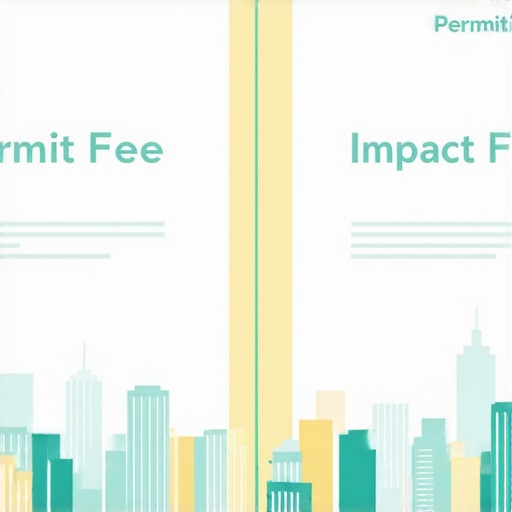
The Difference Between a Permit Fee and a Municipal Impact Fee
You know that moment when you finally think you’ve nailed down plans for that much-needed home addition or new build, only to discover unexpected costs popping up? It’s like hitting a wall midway through your project, and suddenly your excitement turns into stress. I’ve been there. Early on, I misunderstood the difference between permit fees and municipal impact fees, which led to surprises that could’ve been avoided with a little clarity. That realization was a lightbulb moment for me—understanding these costs is crucial to keeping your project within budget and on schedule.
Why Clarifying Permit and Impact Fees Can Save Your Project
In my personal experience, the real challenge wasn’t just about getting approvals but understanding what those costs actually included. Permit fees are essentially the administrative costs paid to the city or county for processing your building or renovation application. Impact fees, on the other hand, are charges levied to fund public infrastructure improvements like roads, schools, and utilities that your project might affect.
Misinterpreting these can lead to budgeting nightmares. Early in my journey, I thought impact fees were just a one-time payment, similar to permit fees. I didn’t realize impact fees can vary wildly depending on the location, type of project, and specific municipal policies. A mistake like that can throw a wrench into your plans, forcing you to scramble for extra funds or, worse, delay your project.
**Have you faced unexpectedly high impact fees that caught you off guard?** If so, you’re not alone. Many homeowners and builders overlook the nuances between these charges until it’s too late. That’s why I want to guide you through the essentials—so next time, you’re prepared.
For a deep dive into planning smarter budgets for your projects, I recommend checking out [this guide on estimating costs for home improvements](https://constructionedgez.com/how-to-accurately-estimate-costs-for-home-improvements). It offers practical tips on accurately projecting expenses, including permit and impact fees, which can make a significant difference in your overall budget.
Next, we’ll clarify how these fees are calculated, who is responsible for paying them, and strategies to minimize surprises. Knowing the ins and outs of these costs can truly empower you to manage your project confidently and avoid common pitfalls.
Calculate Allowances Before You Commit
When I tackled my backyard expansion last summer, I started with precise estimates of permit and impact fees. I consulted local building departments and used resources like this cost estimation guide to identify expected fees. I created a spreadsheet listing different fee categories and applied the latest municipal rates, ensuring my budget was realistic from the start.
Break Down the Fee Calculation Process
Think of permit and impact fees as ingredients in a recipe. Permit fees are like the base flour—set and predictable—covering processing and review costs. Impact fees, in contrast, are the spices—more variable depending on project size, scope, and location. To accurately estimate impact fees, I determined my project’s expected impact on local infrastructure, such as roads and utilities, and checked recent fee schedules on the city’s building or planning department websites.
Identify Responsible Parties
Next, clarify who pays what. Usually, the property owner handles permit fees, but impact fees might be paid by developers or subdividers. For my project, I contacted the city planning office through their contact form to confirm my responsibilities, avoiding surprises at a later stage.
Leverage Location-Specific Data
Municipalities differ widely in impact fee structures. I visited the city’s official permit guide to get the latest impact fee schedule for my zip code. Using geographic data ensured my estimates reflected real costs, not generic assumptions. This step prevented me from underestimating potential expenses that could inflate my budget.
Document and Review Every Estimate
I recorded all assumptions, sources, and calculations in a dedicated document. During my review, I realized I had overlooked some fees related to street improvements, which could add up quickly. Regular review and updating of these estimates as project plans evolve keep your budget tight and prevent cost overruns.
Communicate and Confirm Before Starting
Once I compiled my estimates, I scheduled a meeting with city officials via their permit acquisition team. Confirming my calculations and understanding the application process reduced delays. Clear communication upfront means you can secure permits faster and move confidently into construction without unexpected fee hikes.
Use Estimates as Negotiation Tools
Having detailed and accurate cost breakdowns proved invaluable when negotiating with my contractor. I could pinpoint areas where costs could be optimized, especially around impact fees, which I knew could have flexible components. Precise estimates empower you to negotiate better deals and maintain control over your project’s financial health.
When planning a new build or an addition, many assume that permit estimating is straightforward, but in reality, this process is riddled with subtle pitfalls that can derail budgets and timelines. Contrary to popular belief, it’s not just about pulling numbers from a fee schedule; understanding the complex interplay between local regulations, project scope, and timing is crucial for accurate estimates. One common misconception is that scope creep is always a result of client indecision, but often, vague initial estimates and overlooked permit nuances are to blame.
A major trap to avoid is underestimating impact fees, especially in municipalities with dynamic policies that change yearly. Many professionals rely solely on outdated schedules, leading to surprise costs. The key is meticulous research, including reviewing recent cost estimation guides, and cross-referencing with municipal contact points for clarity.
Knowing when and where to push back on fees can save thousands—sometimes impacting the decision to proceed altogether. For instance, impact fees are sometimes negotiable or can be mitigated through strategic planning, like modular expansion or timing construction phases to minimize impact. This advanced tactic requires a detailed understanding of municipal processes and should be approached with data-backed confidence.
How can a builder or homeowner ensure their impact fee estimates are accurate in a fluctuating regulatory landscape?
Staying ahead of changing policies involves regular consultation with city planning departments and review of official schedules. I recommend leveraging local government resources and industry best practices, such as those outlined in cost-effective estimating techniques. Moreover, engaging a consultant or estimator who knows the local nuances can prevent costly misunderstandings.
A related mistake—often overlooked—is assuming that permit fees are uniform across jurisdictions. In reality, an inspection that might be a routine $200 in one city could be $600 elsewhere, depending on infrastructure requirements. This variability underscores the importance of detailed, location-specific research.
To avoid these pitfalls, I advise creating a comprehensive, dynamic spreadsheet model that factors in current fee schedules, project specifics, and potential policy changes. Regular updates and close communication with local authorities add layers of security to your estimate. Remember, the goal isn’t just to get a number but to understand the story behind the fee — why it exists, how it fluctuates, and how you can influence it.
Have you ever fallen into this trap? Let me know in the comments. Staying informed and prepared is the best way to prevent permit surprises from turning your dream project into a budget nightmare.Maintaining momentum on a construction project requires more than just good planning; it relies heavily on the right tools and disciplined routines. Over the years, I’ve identified a handful of equipment and software that have become indispensable in my workflow, helping me adapt to unforeseen challenges and keep long-term results on track.
The Power of Mobile Project Management Apps
In my daily operations, I rely on dedicated project management apps like Buildertrend and PlanGrid. These tools allow me to oversee schedules, manage documents, and communicate seamlessly with clients and subcontractors—all from my smartphone or tablet. The immediacy and flexibility they offer are game-changers, especially when on-site issues crop up unexpectedly. Using these apps means no more delays due to miscommunication or misplaced paperwork. As the trend toward digitalization accelerates, integrating mobile management solutions is becoming a standard practice for efficient ongoing maintenance and scaling my projects.
High-Precision Laser Levels
For physical alignment, I swear by rotary laser levels. They provide unparalleled accuracy over large distances, ensuring that structures are perfectly plumb and-level, which is crucial during additions or long-term builds. Investing in a durable, professional-grade laser level not only reduces rework but also speeds up our quality assurance process. These tools have proven especially beneficial in ensuring consistent results when scaling projects or customizing features over time, reducing long-term maintenance issues.
Documenting Progress with Drones
In recent years, I’ve incorporated drone photography into my routine. Aerial shots give a comprehensive view of the site, allowing me to monitor progress, detect potential problems early, and document changes for future reference. This visual data supports better decision-making and helps in maintaining quality standards through the project’s lifespan. The trend toward drone usage is expanding, unlocking new possibilities for long-term project oversight and scaling efforts without adding significant overhead.
How do I keep projects manageable over time?
Implement Routine Inspections and Digital Backups
Regular inspections are crucial. I set recurring weekly checkpoints, leveraging my project management app to document findings and assign follow-up tasks. Additionally, I maintain comprehensive digital backups of all project plans, permits, and key correspondence. Cloud-based platforms like Dropbox or Google Drive ensure I can access critical data from anywhere, preventing data loss and enabling quick recovery if issues arise. In the future, expect AI-powered predictive maintenance tools to become integral, analyzing site data to forecast potential failures before they happen. To stay ahead of the curve, I recommend trying to integrate an advanced project tracking system that combines real-time data collection with automated alerts for pending delays or compliance issues. This proactive approach can save significant time and money, particularly when scaling or maintaining multiple projects simultaneously.
The Costly Mistakes I Nearly Repeated
One of the toughest lessons I learned was not paying enough attention to the local fee structures before starting my project. Relying on outdated schedules or generic estimates almost led me to budget overrun. The key was investing time in research and continuously updating my estimates, which prevented surprises and kept my project on track.
How Overcoming Permit Confusion Changed Everything
Initially, I thought permit fees were straightforward, but discovering the nuances between different types of fees, like impact fees, was a game changer. Learning to communicate effectively with municipal departments allowed me to clarify responsibilities and negotiate where possible. This proactive approach saved me time, money, and stress, proving that understanding permit processes deeply impacts your project’s success.
Building Confidence Through Precision and Preparation
From creating detailed spreadsheets to regularly reviewing updates, meticulous preparation gave me confidence. Knowing exactly what to expect with each fee empowered me to negotiate better quotes and adhere to my budget. It’s amazing how small habits—like documenting assumptions and staying in touch with city officials—can make a huge difference in your home addition experience.
My Top Resources to Master Permitting and Estimating
- Construction Edgez Cost Estimation Guides: They offer practical, location-specific advice that’s helped me avoid underestimating costs. I trust these because they’re based on real-world data and recent policy updates.
- Municipal Contact Platforms: Building good relationships with local planning offices has been invaluable. Having direct lines of communication makes my project smoother and helps me stay updated on policy changes.
- Project Management Apps like Buildertrend: Using these on-site keeps me organized and reduces miscommunications. They’re essential for managing multiple aspects of a project over time, especially when scaling efforts.
- Drone Photography Tools: They give me a comprehensive view of the site, helping monitor progress and catch issues early. These tools are now a staple in my long-term project oversight.
Seize the Moment and Shape Your Future
Real progress begins when you embrace continuous learning and proactive planning. Armed with honest insights and the right resources, you can turn permit and impact fee challenges into opportunities for smarter, more confident construction decisions. Remember, every project is a chance to grow and master new skills—your future home will thank you for it.