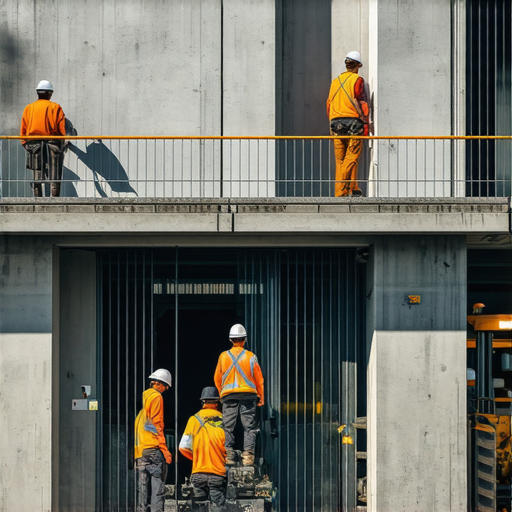

I remember the sinking feeling I had during my first new build project. An estimate I thought was solid turned into a budget nightmare because I underestimated permit delays and hidden costs. It was a tough lesson—one that taught me just how critical reliable estimating and permit strategies are for success. If you’ve ever faced budget blowouts or project delays, you know exactly what I mean. The good news? With the right approach, you can avoid these pitfalls and keep your project on track from start to finish.
The Heart of the Matter Is Trustworthy Planning
Are Permits and Estimates Overhyped or Absolutely Necessary?
Early on, I made the mistake of trusting generic online estimates without digging into the specifics of my area’s permit requirements. That oversight cost me time and money I couldn’t afford. Studies show that permit delays can add anywhere from 10% to 30% to a project’s timeline and costs, making it clear that skimping on permitting strategies isn’t an option. Reliable estimating isn’t just about numbers; it’s about understanding every detail specific to your project and locale. This is why I now recommend aligning your estimates with the latest permit guidelines—information that’s often less obvious but absolutely essential. You can find helpful tips in articles like reliable estimating and permit tips for new builds. If you’re serious about cutting surprises out of your project, you’ll want to get a handle on how permits and cost estimates intertwine.
Break Down Your Project Into Manageable Sections
Start by segmenting your project into smaller tasks, such as foundation, framing, plumbing, electrical, and finishing. For each, gather specific material and labor cost data. I once estimated an entire kitchen remodel at once, which led to surprises; breaking it down revealed hidden costs and clarified scope. Use step-by-step estimation guides to refine this process and avoid common pitfalls.
Research Local Permitting Requirements and Timelines
Identify Necessary Permits:
Consult your local building department or their website to determine exactly which permits are needed. I once assumed a simple permit was enough, but in reality, structural and electrical permits required separate approval, adding weeks to my schedule. Use permit requirement guides to ensure nothing slips through.
Estimate Permit Costs and Timeframes:
Contact the permitting office directly via their contact page to get accurate fee quotes and approval timelines. During my last project, I called ahead and found I could plan my work around a scheduled review, avoiding delays. Keep detailed notes of these estimates and compare against actuals to improve future precision.
Use Reliable Cost Estimation Techniques
Create a detailed list of materials, labor hours, and equipment needed for each section. Use expert estimation strategies to benchmark your costs. For example, I used last year’s invoices to create accurate unit costs, reducing my overall variance. Remember, estimation isn’t static; refine your figures as you gather more project-specific data.
Include Contingency and Hidden Cost Buffers
Always add a contingency of 10-15% to your total estimate to cover unforeseen issues. In my experience, cutting corners on this often leads to stress and budget overruns. Break down the contingency proportionally across tasks—this way, if a plumbing permit takes longer or costs more, your budget absorbs the impact without chaos.
Document and Adjust as You Proceed
Maintain meticulous records of your estimates, actual costs, and permit progress. When I started tracking these diligently, I noticed patterns—certain suppliers consistently underestimated costs, and permit delays were predictable. Use this data to adjust your future estimates. Staying flexible and responsive prevents small issues from becoming big setbacks.
Leverage Technology and Expert Help
Utilize estimation software and consult with local contractors or permit expeditors for insights. For instance, engaging a permit specialist in my last project shaved weeks off approval time and clarified complex requirements. Access resources such as permit and cost estimation tools to streamline your process.
Verify Your Assumptions Before Moving Forward
Double-check every estimate against official documents and experienced opinions. I made the mistake of relying solely on online averages, which missed local nuances. To avoid this, cross-reference your information with authoritative sources and professionals, ensuring your budget and timeline are rock solid before purchasing materials or submitting permits.
While many homeowners and even some professionals focus on accurate numbers and permit checklists, there’s a deeper layer of nuance that often gets overlooked—one that can make or break your project’s success. Contrary to popular belief, estimating isn’t just about crunching numbers; it’s about mastering the subtle intricacies that influence costs and timelines, especially in the context of additions and new builds.
One common myth is that permits are straightforward costs or bureaucratic hurdles that can be quickly managed. In reality, permits are often complex, intertwined with local regulations, environmental considerations, and even political climates. This complexity leads to the dangerous misconception that permits are a mere formality. Skipping or underestimating their impact can result in substantial project delays or legal issues. For example, a homeowner expecting a six-week approval process might find themselves waiting twice as long due to unnoticed zoning restrictions or overlooked environmental assessments. I recommend reviewing [reliable permitting strategies](https://constructionedgez.com/reliable-permits-and-estimations-for-new-builds-expert-tips) to understand how these factors can subtly derail your schedule.
What Advanced Estimating Techniques Do Pros Use to Avoid Cost Overruns?
Experts don’t rely solely on initial estimates or online averages, which often don’t account for regional or project-specific nuances. Instead, they employ layered approaches—integrating detailed quantity takeoffs, historical data, and contingency buffers tailored to each project segment. Moreover, they factor in hidden costs like permit revisions, inspection rejections, or unexpected site conditions. A pertinent study from the Construction Edge notes that such adaptive estimation improves accuracy by over 20%. By adopting these advanced techniques, you’re less likely to be caught off guard by unforeseen expenses, ensuring a more predictable budget and timeline.
Another often overlooked nuance is the importance of early communication with local authorities. Initiating discussions before finalizing designs can reveal potential permit issues, saving months in the approval process. Utilization of specialized software or consulting with permit specialists—whose insights are invaluable—can streamline approvals. For a deeper dive, review this [comprehensive permit and cost estimation guide](https://constructionedgez.com/reliable-estimating-permit-tips-for-new-build-success).
Remember, the goal is not just to avoid surprises but to embed a proactive mindset into every project phase. Documenting assumptions, tracking actual vs. estimated costs, and continuously refining your approach are keys to mastering this process. Have you ever fallen into this trap? Let me know in the comments and share your experiences with permit hurdles or estimation surprises.
Staying on Top with the Right Tools
When it comes to maintaining momentum on your construction projects, leveraging the right equipment and software is critical. I personally rely on Buildertrend for project management—its intuitive interface helps me track deadlines, budgets, and permits all in one place. Not only does it streamline communication with subcontractors, but it also provides a centralized hub to upload permits, change orders, and photos, reducing the risk of miscommunication. For estimating, I swear by Stack, which allows me to perform detailed quantity takeoffs directly tied to my drawings, minimizing errors and saving valuable time. As the industry evolves, I predict more integrated solutions combining real-time permitting updates with project tracking, making these tools even more indispensable.
How do I maintain project efficiency over time?
Consistent review of your tools and processes is essential. Regularly updating your estimation templates with project-specific data ensures your forecasts stay accurate. I also recommend establishing a routine check-in schedule—weekly or bi-weekly—to review project status, permit progress, and upcoming deadlines. This habit keeps issues from snowballing and helps in proactive planning. Additionally, fostering good relationships with local permit authorities, such as through direct communication, can expedite approvals and clear unforeseen hurdles. Investing time in mastering these tools and routines not only improves current project flow but also sets a foundation for scaling future endeavors efficiently.
The Power of Documentation and Review
Maintaining meticulous records of your estimates, permit submissions, and correspondences creates a valuable knowledge base. I keep detailed logs of permit approvals, delays, and cost variances—this granular data allows me to refine my estimation techniques continually. A helpful approach is to develop a project dashboard that visualizes key metrics such as turnaround times, budget adherence, and permit statuses. Such tools help anticipate potential bottlenecks before they impact your schedule. As the trend moves toward transparency and data-driven decision-making, integrating these tracking systems will become standard practice, further improving reliability and client trust.
Preparing for Long-Term Success
Once your systems are in place, focus on scalable practices. As your project portfolio grows, consider adopting more advanced software that offers API integrations for seamless data sharing across platforms. Training your team on these tools ensures everyone stays aligned. I also recommend exploring advanced estimating strategies for 2025—these incorporate predictive analytics that anticipate potential permit delays based on historical patterns, allowing for better contingency planning. A proactive, organized approach to maintenance not only reduces headaches but also bolsters your reputation as a reliable professional in construction management.
Over the years, I’ve realized that the most valuable insights often come from unexpected setbacks and honest reflections. One of the biggest game-changers for me was understanding that estimating and permitting are less about numbers and more about strategic foresight and relationship-building. Here’s what truly made a difference in my projects:
- Perfection is a myth: I used to obsess over getting every detail perfect in my initial estimates. Now, I focus on creating flexible, data-driven forecasts that adapt as I learn more. It’s about progress, not perfection.
- Relationship matters: Building good rapport with local permit officials often speeds up approvals and reduces surprises. Investing time in these relationships pays off in smoother projects and fewer delays.
- Details matter: Small overlooked factors—like environmental nuances or zoning restrictions—can derail a project. Focusing on these early on has saved me from costly modifications later.
My Toolkit for Smarter Permitting and Estimating
There are a handful of tools that have become indispensable in my journey. I trust reliable estimating and permit strategies because they blend practical advice with real-world experience. For comprehensive cost tracking, I rely on project management solutions like Buildertrend, which centralizes all project data and communications. When estimating, Stack helps me perform detailed quantity takeoffs directly from my drawings, reducing errors and saving time. These resources keep me ahead of the curve and confident in my project planning.
Take Action Toward Construction Confidence
Embarking on or refining your estimation and permitting process is a journey—one filled with learning and growth. Remember, mastery comes from consistent practice, honest review, and embracing tools that work for you. Don’t wait for perfect conditions; start applying these insights today, and watch how your projects become more predictable and stress-free. Your next big build is an opportunity to implement smarter strategies and build trust in your process.
What’s been your toughest lesson in estimating or permitting? Share your story in the comments below—I’d love to hear and learn from your experiences!
Reading through this article really resonated with me, especially the point about breaking down projects into smaller, manageable sections. Early in my career, I underestimated how complex estimating can get when dealing with large residential builds. I used to do one comprehensive estimate for the entire project, only to be caught off guard by hidden costs and permit-related delays. Now, I always segment the project and estimate each phase separately, which provides greater accuracy and easier adjustments along the way. I also found that developing good relationships with local permit officials greatly speeds up approvals and helps clarify ambiguous regulations. Have others here found that fostering relationships with permitting authorities really makes a difference in your project timelines? Would love to hear your strategies for managing this aspect effectively.