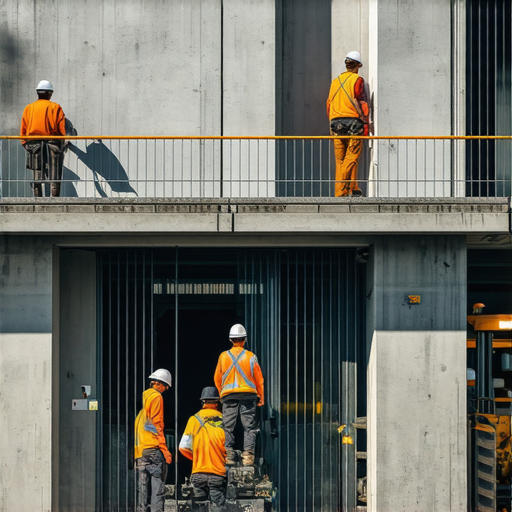

I vividly remember the first time I dared to expand my home. Excitement quickly turned into frustration when I hit a wall—permits that seemed to evaporate into thin air and estimates that seemed to grow exponentially. It felt like navigating a labyrinth with no map.
The Hidden Challenges of Home Expansion
If you’ve ever undertaken a home addition, you know the feeling. The process is riddled with surprises—unexpected permit hurdles and tricky estimations that can derail your project. But after years of trial, error, and a few costly missteps, I discovered that the secret lies in mastering permit strategies and accurate estimates from the start.
Am I Wasting My Time on Permits That Don’t Matter?
Early on, I believed that permits were merely bureaucratic hoops—annoying but unavoidable. That mistake cost me precious time and money, delaying my project by months. I learned that understanding permit requirements in depth can actually save you time and effort. Did you know that the permit process in many jurisdictions can be streamlined with proper knowledge? For example, consulting resources like Understanding Permit Processes can help you avoid common pitfalls and expedite approval.
So, why is getting this right crucial? Because permits aren’t just a formality—they ensure your project complies with local codes, preventing costly fines or even demolition orders down the line. Plus, a well-estimated budget based on reliable data helps prevent unexpected costs that could turn your dream project into a nightmare.
In the following sections, I will share proven strategies that transformed my approach—techniques that can help you navigate permits and estimates confidently, ensuring your home addition is a smooth success story rather than a cautionary tale.
Start with Precise Research on Permit Requirements
Before lifting a hammer, invest time in understanding your local permit landscape. Think of it as gathering a map before exploring unfamiliar territory—knowing the regulations prevents you from wandering aimlessly. I recall a project where I initially assumed my addition wouldn’t need a permit, only to face a surprise halt. After consulting Understanding Permit Processes, I uncovered necessary steps, saving me from costly rework.
Identify Jurisdiction-Specific Rules
Every locality has unique codes. Use online resources or contact local building departments to pinpoint exactly what permits are required for your plans. For instance, in my experience, neighboring towns had different thresholds for permit exemptions, making thorough research vital to avoid delays.
Develop a Reliable Cost Estimation Strategy
Estimating costs is akin to budgeting for a road trip—it requires a clear understanding of potential expenses. I remember a period where I underestimated material costs, leading to budget overruns. Leveraging detailed guides like Estimating Home Additions transformed my approach, enabling me to anticipate costs more accurately.
Break Down the Project into Components
Divide your project into stages—foundation, framing, roofing, finishes—to assign specific costs to each. This granular method uncovers hidden expenses, much like checking every item on a list before a purchase. By doing this, I identified unexpected costs in insulation and electrical work, adjusting my budget proactively.
Use Benchmark Data for Better Accuracy
Gather data from similar completed projects or industry averages. Think of it as using weather reports to plan your day—you get a realistic expectation of what to prepare for. The resource New Build Estimation Strategies provides valuable benchmarks that improved my estimates considerably, reducing surprises during construction.
Consult Experts When Uncertain
Don’t hesitate to seek advice from contractors or estimators. I once faced ambiguity on permit fees, leading to guesswork that skewed my budget. An expert consultation clarified the costs, just as a GPS recalibrates your route—saving time and money.
Implement Continuous Monitoring and Adjustment
Keep track of your costs and permit progress actively. Picture it as steering a boat—occasional course corrections prevent drifting off course. During one project, regular cost reviews allowed me to identify overspending early, enabling swift adjustments before exceeding my budget.
Leverage Tools and Software
Employ estimation software or spreadsheets to document expenses systematically. This technology acts as your financial dashboard, providing real-time insights—much like how I used digital tools to keep my project on track, avoiding costly overruns and permit delays.
Many experienced homeowners and even some contractors fall prey to misconceptions that can sabotage a project before it even begins. One widespread myth is that permits are merely bureaucratic hurdles that can be bypassed for a smoother process. In reality, skipping or underestimating permit requirements often results in costly fines, delays, or even the need to tear down completed work. Recent studies, like those summarized in Trusted Permitting Strategies, highlight how thorough permit planning reduces risks and ensures legal compliance.
Another common mistake revolves around estimating costs with overly optimistic assumptions. Many underestimate the complexities involved in new builds or additions, leading to budget overruns and project stalls. A nuanced understanding of local regulations, combined with comprehensive data collection—such as consulting Estimating Costs for Home Improvements—can help refine projections and prevent surprises.
What Does It Take to Accurately Budget for Permits and Construction?
Advanced estimation isn’t just about adding a buffer to your numbers; it requires dissecting each phase—permits, site prep, materials, labor—and projecting realistic timelines and costs. Many overlook permit-related expenses entirely or assume they’re negligible, which can cause significant issues later. For example, permit fees can vary dramatically between localities, and miscalculating them can throw off your entire budget. To navigate this complex landscape, it’s wise to consult Permits for New Builds and integrate this data into your planning process.
Furthermore, advanced homeowners are leveraging software tools and industry benchmarks to improve estimate accuracy. Resources like New Build Estimation Strategies emphasize the importance of benchmarking against completed projects, reducing the reliance on guesswork. This approach helps identify hidden costs, like electrical upgrades or foundation reinforcements, before they become surprises during construction.
Beware the trap of assuming permits are a one-time hurdle. In fact, the permitting process itself can be iterative, requiring adjustments and resubmissions that add time and expense. A proactive permit strategy, coupled with ongoing cost tracking, can save both money and stress. For practical tips on staying ahead, see Permit Approval Tips.
In summary, the nuance most overlook is that permits and estimates are interconnected elements in a complex system. Mastering their intricacies—beyond the basics—can be the difference between a successful project and a costly setback. Have you ever fallen into this trap? Let me know in the comments and share your experience!
Invest in Reliable Tools for Long-Term Success
Having the right equipment can make all the difference in maintaining your home projects’ quality and efficiency over time. I personally rely on a high-quality cordless drill from Dewalt for its durability and power, which handles everything from installing shelves to framing new sections. Investing in tools that match your scope of work ensures smoother progress and fewer breakdowns, ultimately saving you money and frustration.
Additionally, I recommend a digital laser measure, like the Bosch GLM 50C. This device provides precise measurements quickly, reducing the need for repetitive trips to the tape measure and minimizing errors—crucial when estimating and planning for ongoing renovations or additions. Such tools become invaluable when scaling projects or doing detailed work that demands accuracy.
Adopt Software and Systems for Effective Maintenance
To keep your projects organized, I integrate estimation and project management software like Buildertrend. It allows me to track costs, schedule tasks, and monitor permit statuses seamlessly, ensuring nothing slips through the cracks. As projects grow in complexity, these digital systems become even more vital, helping to prevent costly oversights and delays.
Looking ahead, the trend is moving toward integrated platforms that combine budgeting, scheduling, and permit tracking. I predict that in the next few years, augmented reality tools may assist homeowners in visualizing ongoing maintenance needs and future expansions before breaking ground, making long-term planning even more intuitive.
How do I maintain project momentum over time?
Regular check-ins and scheduled system updates are key. I set aside time weekly to review progress in my management software, update costs, and reassess upcoming permit requirements. This habit ensures I stay aligned with my initial estimates and can address issues before they escalate. Maintaining detailed records throughout the project not only facilitates smoother operations but also simplifies scaling efforts or future modifications.
Simplify Maintenance with Preventive Checks
Proactively inspecting tools and systems prevents unexpected breakdowns. For example, I routinely clean and lubricate my power tools, which prolong their lifespan and ensure peak performance. Similarly, revisiting permit statuses and compliance checks with a dedicated schedule helps me avoid costly delays—particularly when managing multiple projects simultaneously.
To keep everything running smoothly, I also utilize a maintenance checklist integrated into my project management app. This habit of regular upkeep minimizes disruptions, especially in long-term or ongoing projects, and builds a foundation for successful scaling.
Start Small, Think Big
Implementing these tools and maintenance routines might seem daunting at first, but begin with one or two trusted systems—like updating your measurement tools or setting a weekly project review—and build from there. As your confidence grows, expand your toolkit and processes to include more advanced planning and tracking solutions, pushing your project scaling capabilities forward.
If you’re serious about long-term project success, I suggest trying out a comprehensive project management platform like Buildertrend, which integrates many essential functions, including permit tracking and cost estimation. Utilizing such tools now can set the foundation for efficient scaling and sustained success in your home improvements. For more insights on estimating and planning, check out this detailed guide.
Lessons I Didn’t Expect to Learn About Permits and Budgeting
The biggest realization was that permits aren’t just red tape—they’re a safety net that protects both your project and your wallet. I once thought rushing through permit applications would save time, only to face unexpected fines and work demolition later. Now I see that patience and thorough research in this area save me headaches down the line.
Another lightbulb moment was understanding that estimates should be flexible, not fixed. Early in my project, I stuck rigidly to initial numbers, which led to shortages and delays. Incorporating buffer zones and continuously updating my budget helped me adapt to surprises without panic.
Finally, I learned from talking with experts that breaking down projects into smaller, manageable parts improves accuracy dramatically. It’s about knowing every bolt and wire, not just the big picture, to avoid costly mistakes and ensure compliance throughout.
My Toolbox for Better Home Addition Planning
Some resources I rely on include the comprehensive Estimating Home Additions guide, which helps refine budgeting methods with current industry benchmarks. I also trust Understanding Permit Processes to demystify complex regulations, saving me time and money. When I need real-time management, reliable permit and estimate strategies keep my project on track—especially when juggling multiple phases or projects.
For ongoing support, contactting industry professionals provides personalized insights that no generic advice can match. These trusted sources form the backbone of my successful home expansion efforts.
Take Action Now: Your Project Deserves This
Embarking on a home addition journey is both exciting and daunting, but with strategic permit planning and precise estimates, you’ll turn your vision into reality smoothly. Remember, every expert was once a beginner who took the first step—so don’t hesitate to start small and build confidence along the way. Your dream home is within reach; taking informed actions today transforms uncertainties into opportunities for growth and satisfaction. What’s the first step you’re planning to take on your project? Let me know below and share your thoughts!
,