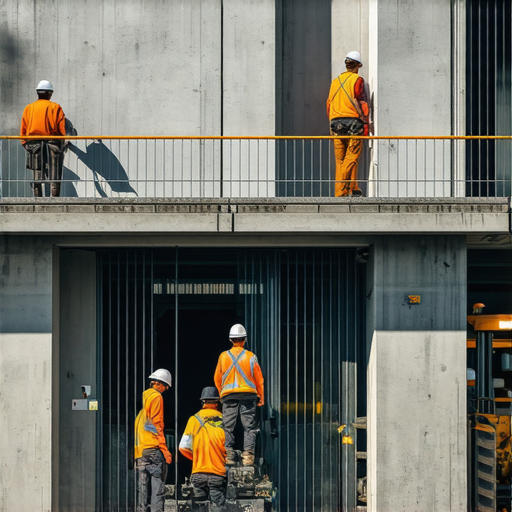

Ever started a new build project only to find the costs spiraling out of control or your permits getting tangled in red tape? I’ve been there. I remember feeling that sinking feeling when my initial estimates turned out to be way off, and permit delays pushed my timeline into chaos. It’s frustrating, and honestly, it can make you doubt whether tackling a new build is worth the headache. But here’s the truth: with the right approach to estimating and permitting, you can save yourself a lot of stress and money.
Why Getting These Details Right Matters More Than Ever
In today’s market, construction costs fluctuate wildly, and permit requirements are more complex than ever. A mistake early on can lead to budget overruns, project delays, or even legal trouble. According to a recent study, nearly 30% of home improvement projects go over budget, often because of poor initial estimates or permit issues. That’s a huge chunk of time and money wasted. The good news? Many of these pitfalls are avoidable once you understand the ins and outs of accurate costing and permit navigation.
If you’ve ever faced unexpected expenses or permit delays, you’re not alone. I’ve learned from my early missteps—like underestimating materials or assuming permits would be a quick process. Those mistakes cost me dearly. But over time, I discovered reliable strategies that make the process smoother and more predictable. Today, I want to share those insights, so you don’t have to go through the same headaches.
Is Your Estimating and Permitting Strategy Truly Reliable?
Many homeowners and builders hesitate to dive deep into the details, thinking it’s too complicated or time-consuming. I used to think that too—until I realized that skipping the crucial steps only increased my risks. One mistake I made early on was relying on rough estimates without detailed breakdowns, which led to surprises later. Now, I know that thorough research, proper planning, and understanding permit processes are essential for success. For practical tips and step-by-step guidance, check out this comprehensive guide to estimating costs.
In the sections ahead, I’ll walk you through proven methods to accurately estimate costs and navigate permits with confidence. Whether you’re planning a simple addition or a full-scale new build, mastering these areas will set you up for smooth sailing and lasting results. Ready to take control of your project’s financial and legal aspects? Let’s get started.
Break Down Your Project with Precision
Start by dividing your build into smaller, manageable parts—like framing, plumbing, electrical, and finishing. When I built my shed last summer, I created a detailed list of each task and assigned costs based on local supplier prices. This approach prevented unexpected expenses and gave me a clear picture of where my money was going. For a comprehensive method, check out this guide to estimating costs.
Use the Right Tools and Resources
Invest in reliable estimating software or spreadsheets that allow you to input variables and automatically update totals. I once tried to estimate my kitchen remodel with just a calculator, which led to oversights. Switching to a dedicated tool helped me account for material waste and labor fluctuations. This step ensures your estimates stay accurate despite market changes. Remember, accurate estimation is like using a GPS instead of a paper map—crucial for avoiding wrong turns.
Gather Multiple Quotes and Double-Check
Don’t settle for the first quote you receive. Contact several suppliers and contractors—like I did when I needed hardwood flooring. Comparing quotes revealed significant price differences, enabling me to negotiate better deals. Always verify that quotes include the same scope of work to ensure apples-to-apples comparisons. This diligence can save hundreds or thousands of dollars. It’s like shopping for a car—you want the best deal, not just the first offer.
Factor in Hidden Costs and Contingencies
Set aside a contingency fund—usually 10-20% of your total budget—for surprises. During my project, I encountered unforeseen foundation issues that added 15% to my costs. Having a buffer prevented delays and financial stress. This step is essential because unexpected problems are inevitable; thinking they won’t happen is like ignoring the rain on your outdoor wedding.
Navigate Permitting with Confidence
Understand the permit process thoroughly before starting. I once assumed permits would be quick, only to face delays. By consulting permit guidance, I learned to identify required documents and timelines. Preparing all paperwork in advance streamlined my approval process. Think of permits as the traffic rules of construction—knowing them keeps your project moving smoothly.
Prepare Your Documentation and Plans
Gather detailed plans, site maps, and project descriptions. When I submitted my permit application for a deck addition, a comprehensive set of documents prevented back-and-forth delays. Double-check requirements with your local building department to avoid missing elements. This preparation is like packing for a trip—you want everything ready to avoid last-minute scrambling.
Work with Licensed Professionals
Hire licensed contractors and consultants who understand local codes and permit processes. I learned this lesson when a friend hired unlicensed labor, leading to costly rework and permit violations. Trusted professionals can guide you through complex requirements and help avoid fines. It’s like having a seasoned navigator on a treacherous trail—worth every penny.
Track Permits and Follow Up
Keep a detailed record of all permit applications, receipts, and correspondence. Follow up regularly with your permit office to stay informed. When I stayed diligent, I avoided unnecessary delays and was the first to know when approvals were granted. Use a digital or physical log, and don’t hesitate to ask questions—permitting is a process, not a one-time event.
Mastering these steps transforms estimation and permitting from daunting chores into manageable parts of your project. By applying these concrete techniques, you’ll navigate costs and legalities with confidence—saving time, money, and stress along the way. For more detailed strategies, explore this new build estimation guide and permit tips for new builds.
Many homeowners and even seasoned builders fall prey to misconceptions when it comes to estimating costs and navigating permits. Let’s dig deeper into what most people get wrong and uncover some hidden nuances that could make or break your project. First, a common myth is that initial estimates are always close enough to be relied upon. In reality, market fluctuations, hidden site issues, and overlooked permit requirements can drastically alter your budget. Relying solely on early rough estimates without detailed breakdowns often leads to surprises later, which is why I recommend thorough cost breakdowns from the start.
Another misconception is that permit processes are straightforward and quick. This couldn’t be further from the truth. Many assume that once the plans are submitted, approval follows swiftly. In my experience, permits often involve multiple reviews, additional documentation, and occasional revisions. Failing to anticipate this can cause costly delays. To avoid this trap, review permit requirements early and prepare all necessary documentation meticulously. A well-prepared submission can significantly reduce approval time, saving you both time and money.
Why Do People Overlook Permit Complexity?
One advanced mistake I see is underestimating the complexity of local regulations. Some believe that permits are just a formality, but in reality, local codes can be intricate and vary widely. For example, some jurisdictions require detailed site plans, environmental assessments, or specific zoning compliance, which can delay your project if not properly addressed. According to a recent study, nearly 40% of permit delays are due to incomplete or incorrect documentation. This underscores the importance of understanding permit nuances specific to your area. Working with licensed professionals familiar with local codes can help you navigate this terrain more smoothly.
On the estimating side, a hidden nuance is accounting for contingencies. Many underestimate the importance of setting aside extra funds—often assuming that their initial budget covers all surprises. But unseen issues like soil instability, unanticipated material costs, or labor shortages can inflate costs by 10-20%. The key is to build a contingency buffer into your estimates from the beginning, which can be the difference between a successful project and a financial headache. For advanced strategies, check out cost estimation strategies that include contingency planning.
Finally, don’t forget the importance of continuous follow-up. Many projects stumble because owners neglect to monitor permit progress or update estimates as conditions change. Regular communication with your permit office and contractors ensures you stay ahead of potential issues. Remember, estimation and permits are dynamic processes, not one-time tasks. Have you ever fallen into this trap? Let me know in the comments!
Keep It Running Smoothly with the Right Tools
Maintaining your construction project after the initial build or addition is crucial for long-term success. Over the years, I’ve found that leveraging specific tools and methods can drastically reduce downtime and unexpected issues. One tool I swear by is Construction Management Software like Buildertrend or CoConstruct. These platforms help me track timelines, budgets, and permit statuses in real-time, ensuring nothing slips through the cracks. They also facilitate communication with subcontractors and suppliers, which is vital for maintaining progress and quality.
For smaller projects or personal use, I rely on digital spreadsheets with built-in formulas to monitor expenses, schedules, and permit renewal dates. My favorite is Google Sheets because I can access and update it from anywhere, and its sharing capabilities mean my team stays aligned. I’ve customized my sheets to include automatic alerts for permit expiration or upcoming inspections, which helps me stay proactive rather than reactive.
How do I maintain permit compliance over time?
Permits often have renewal or inspection requirements that can be overlooked. To stay compliant, I set recurring calendar reminders linked to permit deadlines. Additionally, I keep a well-organized digital folder with all permit documents, inspection reports, and correspondence. Regularly reviewing these documents ensures I am prepared for renewals or audits. I also use permit tracking tools that send me alerts when inspections are due or when permits are nearing expiration. This proactive approach saves me from fines or project delays.
Stay Ahead with Regular Checks and Updates
Long-term project maintenance isn’t just about tools; it’s about consistent oversight. I schedule bi-monthly reviews of project status, inspecting for potential issues like material degradation, code compliance, or permit lapses. This habit helps me catch problems early—saving money and time in the long run. For example, I once noticed a permit needed renewal before an inspection, and addressing it early avoided a costly reinspection fee.
Looking forward, I believe integrating AI-powered project management tools will become the norm. These systems will analyze data from sensors or reports to predict maintenance needs or permit issues before they happen, making project management even more efficient.
Try This Advanced Tip Today
One strategy I recommend is setting up custom automated alerts within your project management system or calendar. These alerts can notify you weeks in advance of permit renewals, inspections, or maintenance schedules. By doing so, you’ll stay ahead of potential delays and maintain compliance effortlessly. If you want to explore this further, check out this guide on permit management strategies for detailed steps.
Staying on top of your project’s ongoing needs isn’t just good practice—it’s essential for ensuring lasting results and peace of mind. Make these tools and habits part of your routine, and you’ll keep your build working smoothly for years to come.
The Hardest Lesson I Learned About estimating, permit, additions, new build
- One of my biggest lightbulb moments was realizing that initial estimates are often just a starting point. Without detailed breakdowns, I was constantly caught off guard by hidden costs that appeared mid-project, turning my budget into a rollercoaster. Now, I always drill down into every element of the estimate and include a contingency buffer.
- Another lesson was how underestimating permit complexity can derail your timeline. I once thought permits were a quick formality, only to face months of revisions and additional paperwork. Learning to review permit requirements early and preparing thorough documentation saved me from many delays.
- The third insight is the importance of working with licensed professionals. Not only do they understand local codes better, but their guidance can prevent costly rework and compliance issues. Trusting experienced contractors made my projects smoother and more predictable.
My Essential Toolkit for estimating, permits, and project success
- ConstructionEdgez Guides: Their comprehensive resources on estimating costs and navigating permit processes are my go-to. They break down complex topics into actionable steps, which has saved me countless hours and headaches.
- Buildertrend Software: This project management platform keeps my budgets, schedules, and permit statuses organized in real-time. It’s like having a dedicated assistant for every detail, ensuring nothing slips through.
- Local Permit Office Resources: Familiarizing myself with my area’s specific requirements and building codes has been a game-changer. Their online portals and checklists help me prepare complete applications and avoid common pitfalls.
- Trusted Contractors: Building relationships with licensed, reputable professionals ensures quality work and smooth permit approvals. Their expertise often catches potential issues early, saving money and time.
Your Turn to Try
Taking control of estimating and permitting can seem daunting at first, but the payoff is worth it. Accurate estimates and well-managed permits set the foundation for a successful build or addition. Don’t wait for surprises—start applying these lessons today and watch your project unfold smoothly. What’s the biggest challenge you face with estimating or permits? Let me know below.