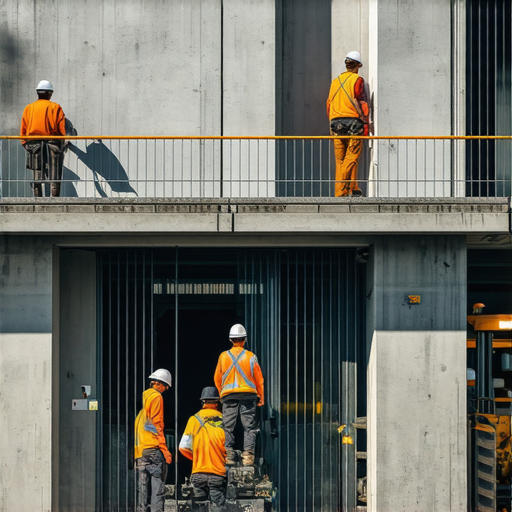

I remember the moment clearly. I was staring at a mountain of receipts, blueprints, and permit applications, feeling overwhelmed and a little foolish. Early in my renovation journey, I made a costly mistake—underestimating costs and rushing through permit processes. It almost sank my project before it even began. That experience was a lightbulb moment. I realized that accurate estimating and proper permit management aren’t just bureaucratic hurdles—they’re the backbone of a successful renovation. Since then, I’ve dedicated myself to learning the ins and outs, and I want to share that knowledge with you.
Why Getting Estimating & Permitting Right Matters Now More Than Ever
Homeowners today face a perfect storm of rising material costs, stricter permit requirements, and tight project timelines. According to industry reports, inaccurate estimates can lead to project delays and budget overruns that stretch into thousands of dollars. Plus, missing or improperly handling permits can cause legal issues, fines, or even project shutdowns. It’s frustrating, I know. But the good news is, with some practical tips and a clear process, you can navigate this maze confidently. In this post, I’ll walk you through proven strategies for reliable estimating and permit approvals, helping you avoid my early pitfalls and keep your project on track.
Have you ever faced unexpected costs or permit delays that threw your plans off course?
If so, you’re not alone. Many homeowners find themselves caught off guard because they didn’t anticipate how complex or costly the estimating and permitting process can be. Early mistakes, like underestimating project scope or overlooking permit requirements, often lead to stress and extra expenses. Trust me, I’ve been there. But I’ve also learned that with the right approach, these hurdles are manageable. Want to learn how to get it right the first time? Keep reading, and I’ll show you step-by-step how to estimate accurately and secure permits with confidence.
To start, understanding the permit process is crucial. It’s not just about filling out forms; it’s about aligning your project with local codes and regulations. A common mistake I made was assuming permits were a formality—until I faced delays because I skipped a critical approval step. You can avoid this by familiarizing yourself with the permit process early. For expert guidance, check out this detailed guide. Next, accurate estimating is equally vital. It’s tempting to rely on rough guesses, but that’s a recipe for disaster. Instead, use detailed cost estimation strategies to forecast your expenses reliably. I recommend reviewing this resource for step-by-step tips.
In the sections that follow, I’ll share the practical steps I took to master estimating and permitting—saving time, money, and headaches. Whether you’re planning a simple addition or a complete rebuild, these strategies will set you up for success. Ready to dive in and take control of your home renovation? Let’s get started.
Break Down Your Project and Gather Details
Start with a detailed list of every aspect of your renovation. Think of it like planning a road trip: you need a map before you start driving. List out all the tasks, materials, and labor involved. For example, if you’re adding a bathroom, note the plumbing, electrical, tiling, and fixtures. I once skipped this step and underestimated the plumbing costs, which caused delays. So, be thorough and precise. Use resources like estimating guides to help you create a comprehensive scope.
Research Local Permit Requirements Early
Permits are like the rules of a game—you need to know them to play without penalties. Check your local building department’s website or contact them directly. Understand what permits are required for your project—be it a simple addition or a full rebuild. I once assumed I didn’t need a permit for a small deck, only to find out later I had to halt work and apply retroactively, which cost me time and money. Use this guide to familiarize yourself with the process.
Create an Accurate Cost Estimate
Think of estimating costs like budgeting for a big event—you want to avoid surprises. Break down costs into categories: materials, labor, permits, and contingencies. Use detailed costs from suppliers or past projects. I recommend reviewing this resource for step-by-step strategies. Remember, rough guesses can lead to overruns. For example, I once underestimated electrical supplies, which added hundreds to my budget. Always add a contingency of 10-15% for unexpected expenses.
Get Permits Approved Efficiently
Submitting your permit application is like making a good first impression—it sets the tone for smooth approval. Prepare all required documentation, including plans, calculations, and fees. Double-check everything to avoid delays. I learned this the hard way when a missing signature caused my permit to be delayed by two weeks. Check this article for tips on speeding up the approval process.
Maintain Clear Communication and Documentation
Keep detailed records of all estimates, permits, correspondence, and approvals. Think of this as keeping receipts for tax time—you’ll thank yourself later. When questions arise or revisions are needed, having everything documented makes the process smoother. I once had a permit issue because I lost a key email—lesson learned. Use project management tools or simple spreadsheets to stay organized and avoid costly miscommunications.
Adjust and Review Regularly
Your project estimate and permit status are not static; they need regular review. Track actual costs against your estimates and update as needed. If a supplier raises prices or a permit takes longer, recalibrate your plan. I once discovered a material cost increase mid-project, which I caught early by reviewing my budget weekly. This proactive approach saved me from a budget blowout and kept my project on track.
When it comes to estimating costs and managing permits, many homeowners fall prey to common myths that can derail their projects. One of the biggest misconceptions is that permit requirements are a one-size-fits-all process. In reality, local regulations can vary significantly, and understanding these subtleties can save you time and money. For example, some jurisdictions require permits for minor electrical upgrades, while others don’t—assuming a permit is always necessary can lead to unnecessary delays. To avoid this trap, thoroughly research your local permit requirements early. Check this guide to get a clear picture of what’s needed for your project.
Why a blanket approach to estimating can backfire
Another widespread mistake is relying on rough estimates or generic costs. Many homeowners think they can simply multiply material quantities by average prices, but this approach ignores project-specific nuances like unique site conditions or fluctuating material costs. This oversimplification often results in budget overruns. For instance, if you underestimate foundation work because you didn’t account for soil type, your entire budget can be jeopardized. Instead, adopt detailed estimation strategies that incorporate local supplier prices and project complexity. Review this resource for expert tips on precise cost forecasting.
Advanced question: How can I account for permit delays in my schedule?
Smart homeowners recognize that permit approval times are unpredictable and often underestimated. To mitigate this risk, build in a contingency period—typically 10-20% of your estimated approval time—and keep proactive communication with your local building department. Also, submitting comprehensive and accurate documentation can speed up approval, as incomplete applications are a common cause of delays. For proven strategies, see this guide. Remember, the key isn’t just getting permits; it’s managing the process effectively so your project stays on schedule.
In summary, the real secret to successful estimating and permitting lies in attention to detail, local knowledge, and proactive planning. Don’t fall into the trap of oversimplification or assumptions. Instead, dig deeper, plan thoroughly, and stay organized. Have you ever fallen into this trap? Let me know in the comments.
Staying organized and maintaining the momentum in your home renovation is crucial for success. Over the years, I’ve refined my toolkit and approach to ensure that everything continues to run smoothly, even after the initial planning and permitting phases. One of the most valuable investments you can make is in reliable software that simplifies estimating, scheduling, and documentation. For instance, I personally use Buildertrend because it consolidates project management, budgeting, and communication into one platform, reducing the risk of miscommunication and overlooked tasks. Its cloud-based nature means I can access plans and updates from anywhere, which is a game-changer when coordinating with contractors or checking permits. Additionally, I swear by Microsoft Excel for custom tracking sheets. I create detailed spreadsheets to monitor costs, timelines, and permit statuses, which helps me catch issues early before they escalate. As the trend towards digital tools grows, I predict that AI-powered project management apps will become essential, offering real-time insights and predictive analytics to forecast delays or budget overruns.
How do I maintain progress over the long haul?
It’s all about routine checks and staying proactive. I schedule weekly review sessions to assess actual expenses against my estimates, update permit statuses, and adjust timelines accordingly. This habit keeps surprises minimal and allows me to address potential issues before they become major setbacks. I also keep a dedicated folder—digital and physical—containing all permit applications, correspondence, receipts, and plans, ensuring that nothing gets lost and that I can respond swiftly if questions or inspections arise. For managing permit renewals or additional approvals, I rely on trusted permit tips to streamline the process and avoid delays. Remember, consistent oversight is the key to long-term success. Make it a habit to review your project’s health regularly, and don’t hesitate to leverage technology for better control. If you’re looking to scale your project or undertake a new build, these tools and habits will serve as your foundation for reliable progress. Try implementing a digital project tracker today and see how it transforms your workflow. Stay organized, stay ahead!
The Hardest Lesson I Learned About Estimating, Permitting, Additions, and New Builds
- One of my biggest lightbulb moments was realizing that skipping thorough research on local permit requirements can cause project halts and extra costs. It’s not just bureaucratic red tape; it’s about respecting the rules to keep your project moving smoothly.
- Accurate estimating isn’t about guesswork; it’s about detailed, localized data. I learned that relying on generic costs almost always leads to budget overruns—so I started using specific supplier prices and detailed scope breakdowns.
- The most underestimated part of renovation planning is permit approval times. Building in contingency periods and maintaining proactive communication with officials can save you weeks or even months of delays.
- Keeping detailed documentation has saved me countless headaches. From permits to correspondence, organized records make it easier to troubleshoot and stay on schedule, especially when unexpected issues arise.
- Regularly reviewing and updating your project estimates and permit statuses keeps you in control. Making this a weekly habit prevents surprises and helps you adapt quickly when costs or timelines shift.
My Essential Toolkit for Estimating and Permitting
- ConstructionEdgez Guides: Their detailed resources on local permit processes and estimating strategies are my go-to. They help me understand nuanced regulations and avoid common pitfalls.
- Buildertrend: This project management software consolidates budgeting, scheduling, and communication. It’s been a game-changer for keeping everything organized and accessible from anywhere.
- Excel Spreadsheets: Custom tracking sheets for costs, permits, and timelines are invaluable. They let me spot discrepancies early and stay aligned with my initial estimates.
- Local Government Websites: Direct info on permit requirements specific to my municipality saves time and ensures compliance from the start.
Your Turn to Take Control
Getting estimating and permitting right is truly the backbone of a successful renovation. It’s about being proactive, detail-oriented, and organized. If you’re ready to reduce surprises and keep your project on track, start implementing these strategies today. Your future self will thank you for it!
Have you ever faced unexpected costs or permit delays that threw your plans off course? Let me know below.