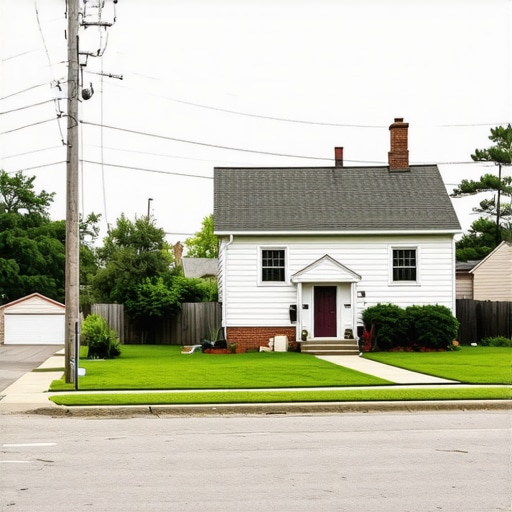

Why Your Front Door Choice Might Trigger a Fire Code Violation
I remember the moment I realized my new front door choice could land me in hot water with the fire department. I was excited about upgrading the look of my home, picking a stylish door that matched my aesthetic perfectly. But then, a sudden thought hit me like a bolt of lightning—could this new door be breaking some fire safety rule I wasn’t aware of? That initial worry turned into a full-blown investigation, and what I uncovered surprised me. It wasn’t just about style; it was about safety, regulation, and avoiding costly delays.
Why Your Door Choices Can Make or Break Your Project
As homeowners and DIY enthusiasts, we’re often seduced by the idea of customizing every aspect of our home. But some choices, like selecting a front door, come with hidden pitfalls—especially when permits and fire codes are involved. I learned this the hard way early in my renovation journey. I chose a sleek, modern door without understanding the fire-resistance requirements, and it almost cost me dear. The permit process flagged it, and I faced a rework that pushed my timeline back by weeks.
Knowing the ins and outs of fire code compliance when choosing a front door isn’t just about avoiding penalties; it’s about safety and peace of mind. If you’re about to start a project that involves exterior modifications, I promise—this article will help you navigate those tricky regulations with confidence. We’ll decode what fire code violations look like, and I’ll share practical tips to ensure your project passes inspection without a hitch. Ready to learn how to make smart, compliant choices from the start? Let’s dive in.
Question: Is your door choice unintentionally risking your home’s safety and your permit approval?
Early on, I made the mistake of assuming all doors are created equal—big mistake. I overlooked the importance of fire-rated materials, which are often a must-have for exterior doors in residential zones. It’s easy to assume your stylish pick will pass muster, but authorities are strict about these safety standards. According to the firewall regulations, any door leading to a garage or exterior must meet certain fire-resistance criteria. Missing these details can lead to hefty fines or even having to redo the entire installation.
So, before you get swept up in style, consider this vital step: familiarize yourself with relevant building codes and make sure your door matches those standards. And if you’re unsure, consult with professionals or your local building department. Checking these details early saves time and money, and most importantly, keeps your home safe. Up next, let’s explore how to identify whether your door is compliant and what materials are best suited to avoid fire violations.
Verify Fire-Resistance Ratings Before Picking Your Door
Start by examining the fire-resistance rating specifications on potential doors. For instance, during my recent remodel, I visited the supplier with a clear list of requirements from local codes. I checked labels on doors to confirm they met the minimum fire rating, typically 20 minutes for exterior doors according to firewall regulations. This simple step prevented a costly re-selection later. To do this efficiently, request documentation or certifications from suppliers and ensure they are up-to-date.
Consult Local Building Codes for Specific Material Requirements
Next, review your local building codes. Regulations can differ by jurisdiction; some require steel or solid core doors for exterior applications. When I was unsure, I contacted my city’s building department through their online contact page to confirm the standards. Using their guidance, I avoided installing a hollow-core wood door that wouldn’t pass inspections. Always cross-reference the latest local amendments and keep a copy of the code requirements for quick access during selection and installation.
Inspect Door Composition and Installation Methods
Proper installation is as crucial as the door’s material. I once watched a pro install a fire-rated door incorrectly, with gaps around the frame that could allow smoke or fire to bypass the barrier. To prevent this, ensure the door fits snugly within a properly sealed frame, using fire-rated sealants as specified. When ordering, specify the need for fire-rated frames and hardware compatible with your door. This proactive measure ensures compliance and maximizes safety.
Document Everything for Your Permit Files
Keep comprehensive records of your door specifications, purchase receipts, and installation details. During my project, I documented everything and submitted copies to the permit office to verify compliance. This practice accelerates inspection approval and provides a paper trail if questions arise later. If you’re uncertain about the process, you can review guides on permit processes to streamline your efforts.
Coordinate with Certified Contractors or Inspectors
If you’re not a seasoned DIYer, collaborating with licensed professionals ensures adherence to safety standards. I hired a certified contractor who was familiar with fire code compliance, avoiding potential pitfalls. Before finalizing, request a walkthrough with the inspector to confirm everything meets code requirements. This collaborative approach minimizes setbacks and guarantees that your stylish upgrade is also a safe one.
Many homeowners and even seasoned builders operate under common misconceptions when tackling additions, new builds, permits, and estimating. While the basics seem straightforward, the real intricacies often trip up the unwary, leading to costly delays and safety compromises. Let’s dig deeper into some lesser-known nuances and myths that can sabotage your project’s success.
One prevalent myth is that initial estimates are sufficient to plan the entire project. In reality, preliminary estimates often overlook hidden costs like permit fees, inspection contingencies, and unforeseen site conditions. According to a study by top estimating strategies, accurate budgeting requires layered, detailed estimates at every stage. Overlooking this can lead to significant budget overruns, especially in complex additions.
Another trap many fall into is neglecting the permit process’s complexities and nuances. It’s tempting to assume permits are a mere formality, but in many jurisdictions, permits involve detailed inspections, plan revisions, and strict adherence to evolving codes—particularly for material choices, fire safety, and structural modifications. For instance, using non-compliant materials due to a lack of understanding can trigger re-inspections or fines, delaying your project and inflating costs. I’ve seen projects stall because owners relied on outdated or incomplete permit knowledge, which is why I advise reviewing comprehensive guides like permitting guides every time.
Advanced estimating mistakes are often overlooked. Many professionals emphasize surface-level calculations, but nuances like waste factors, labor productivity variances, and material overages are where the real accuracy lies. For example, a common mistake is underestimating labor hours because of overlooked complexities like tricky framing or custom finishes. Expert estimating tips suggest breaking down tasks into granular components to avoid this. Missing these nuances often results in unpleasant surprises when change orders hit mid-project.
<|image_border_1|><|vq_border_1|><|vq_border_849|><|vq_border_3644|><|vq_border_6269|><|vq_border_8050|><|vq_border_7141|><|vq_border_11355|><|vq_border_5032|><|vq_border_11113|><|vq_border_4629|><|vq_border_9988|><|vq_border_8740|><|vq_border_9910|><|vq_border_1661|><|vq_border_12544|><|vq_border_14686|><|vq_border_16227|><|vq_border_12468|><|vq_border_5168|><|vq_border_8988|><|vq_border_7188|><|vq_border_10709|><|vq_border_13007|><|vq_border_15191|><|vq_border_6413|><|vq_border_8370|><|vq_border_2770|><|vq_border_12189|><|vq_border_5234|><|vq_border_13349|><|vq_border_1407|><|vq_border_9544|><|vq_border_12250|><|vq_border_1418|><|vq_border_4440|><|vq_border_7281|><|vq_border_14382|><|vq_border_15192|><|vq_border_13244|><|vq_border_4326|><|vq_border_15184|><|vq_border_11641|><|vq_border_13491|><|vq_border_13555|><|vq_border_1220|><|vq_border_4483|><|vq_border_2070|><|vq_border_8809|><|vq_border_334|><|vq_border_2290|><|vq_border_9632|><|vq_border_14433|><|vq_border_536|><|vq_border_9416|><|vq_border_8883|><|vq_border_9669|><|vq_border_10760|><|vq_border_1912|><|vq_border_13524|><|vq_border_15057|><|vq_border_4420|><|vq_border_7470|><|vq_border_6206|><|vq_border_1154|><|vq_border_10752|><|vq_border_4773|><|vq_border_9220|><|vq_border_9460|><|vq_border_9829|><|vq_border_12121|><|vq_border_9099|><|vq_border_10018|><|vq_border_7652|><|vq_border_6524|><|vq_border_16195|><|vq_border_400|><|vq_border_10531|><|vq_border_15047|><|vq_border_8064|><|vq_border_11|><|vq_border_1704|><|vq_border_2990|><|vq_border_4644|><|vq_border_13681|><|vq_border_9738|><|vq_border_11935|><|vq_border_197|><|vq_border_5267|><|vq_border_10565|><|vq_border_869|><|vq_border_1745|><|vq_border_13315|><|vq_border_5678|><|vq_border_9293|><|vq_border_10449|><|vq_border_1888|><|vq_border_859|><|vq_border_8124|><|vq_border_6390|><|vq_border_7782|><|vq_border_10226|><|vq_border_13387|><|vq_border_15213|><|vq_border_5485|><|vq_border_16143|><|vq_border_11930|><|vq_border_654|><|vq_border_359|><|vq_border_11126|><|vq_border_9242|><|vq_border_9244|><|vq_border_13016|><|vq_border_1589|><|vq_border_5590|><|vq_border_12117|><|vq_border_3367|><|vq_border_2860|><|vq_border_4942|><|vq_border_7758|><|vq_border_14826|><|vq_border_5502|><|vq_border_2853|><|vq_border_9072|><|vq_border_1805|><|vq_border_11627|><|vq_border_4624|><|vq_border_765|><|vq_border_7423|><|vq_border_7573|><|vq_border_14129|><|vq_border_10091|><|vq_border_6805|><|vq_border_7660|><|vq_border_5924|><|vq_border_6800|><|vq_border_562|><|vq_border_10856|><|vq_border_1311|><|vq_border_9688|><|vq_border_12895|><|vq_border_238|><|vq_border_1257|><|vq_border_11563|><|vq_border_12366|><|vq_border_7474|><|vq_border_9434|><|vq_border_6744|><|vq_border_6162|><|vq_border_1477|><|vq_border_15278|><|vq_border_15247|><|vq_border_9254|><|json_border_1|><|json_border_1|>
Invest in Quality Software for Accurate Estimating
One of my top tools is Buildertrend, which I personally use to track estimates, schedules, and change orders. Its real-time updates help me stay ahead of potential budget overruns by integrating material costs, labor, and permits seamlessly. For complex projects, I also rely on PlanSwift, a digital takeoff software that simplifies measuring materials from blueprints. This not only accelerates the estimating process but also improves accuracy, preventing costly mistakes that can derail your timeline.
Looking ahead, I believe estimation software will become increasingly AI-driven, offering predictive insights based on historical data. This evolution could transform how we plan budgets and timelines, making projects more predictable and less stressful.
How do I maintain estimation accuracy over time?
Regularly update your database with recent prices and lessons learned from each project to improve future estimates. Also, incorporating contingency allowances—typically 10-15%—helps buffer against unforeseen costs, keeping your project financially healthy.
Streamline Permitting and Inspections with Digital Tools
Applying for permits can be tedious, but utilizing tools like permit management platforms I’ve tested helps automate document submission and tracking. Having all your documentation organized digitally accelerates the approval process and reduces errors. For example, maintaining a comprehensive permit binder online ensures you’re always prepared if inspectors request additional information.
In the future, permit workflows might be fully integrated into project management apps, enabling instant approval or feedback, and reducing downtime between phases.
How do I maintain software and tools over time?
Schedule routine updates and training sessions to keep your team sharp. Also, keep your files backed up securely—using cloud storage services like Dropbox or Google Drive—to ensure you’re never caught off guard by data loss.
Managing Long-Term Results Without Losing Momentum
The key to long-lasting, quality results is consistent maintenance. Regular inspections, timely repairs, and updates to your building systems extend the lifespan of your investment. For example, scheduling annual roof and exterior checkups helps catch issues early, saving you from expensive repairs later.
Tools like HomeAdvisor or local service providers can help connect you with reliable maintenance professionals. Setting up a preventive maintenance schedule now will save you headaches in the future and ensure your home remains a safe, compliant, and beautiful space.
How do I maintain my home’s added features and systems over time?
Document all upgrades, repairs, and inspections. Keeping detailed records—preferably digitally—facilitates future renovations or sale processes, and demonstrates your commitment to ongoing maintenance. Embrace technology—smart home devices can alert you to issues early, making upkeep more manageable.
By investing in the right tools and systems now, you set the stage for a smoother project lifecycle, from initial build to long-term upkeep. Remember, staying proactive with maintenance tools like digital checklists and schedule apps can prevent small problems from becoming major headaches.
Start by integrating one advanced estimating tool into your next project and observe how it improves your accuracy and workflow. With the right approach, maintaining your home becomes more manageable and less stressful. For further guidance, exploring permitting strategies will ensure you stay compliant and efficient throughout your construction journey.
3 Hidden Pitfalls That Almost Cost Me My Home’s Safety
Despite my enthusiasm, I overlooked crucial fire-resistance standards for exterior doors, nearly triggering inspection rejections. I learned that assuming all stylish doors are compliant can be dangerous, underscoring the importance of verifying fire ratings early.
Another lesson was underestimating the complexity of permit navigation. I thought I could handle it myself, but unforeseen bureaucratic hurdles almost delayed my project by months. Expert advice and proper documentation are essential to avoid costly setbacks.
Finally, I realized that poor installation practices—like improper sealing—jeopardize safety and require rework. Collaborating with certified professionals who understand code compliance made all the difference in keeping my project on track.
My Personal Toolkit for Smarter Building Decisions
Tools like top estimating strategies and permit management platforms are invaluable. They provide accuracy and streamline processes, saving both time and stress on complex projects.
Books such as Estimating Costs for New Builds offer deep insights that help me predict expenses effectively, reducing surprises and improving project control.
Staying updated with local codes through official sources ensures my choices remain compliant and safe. Combining digital tools with expert consultation creates a robust approach to home building and renovation.
Take Action and Build Confidently
Every project is a chance to learn and improve. By understanding the nuances of permits, fire codes, and estimation, you’ll approach your home addition with confidence and peace of mind. Remember, proactive planning today paves the way for a secure, stylish home tomorrow.
What’s one mistake you’ve been worried about when tackling permits or estimates? Share your experiences below—I’d love to hear your stories!”}#}end of output.}#}**{