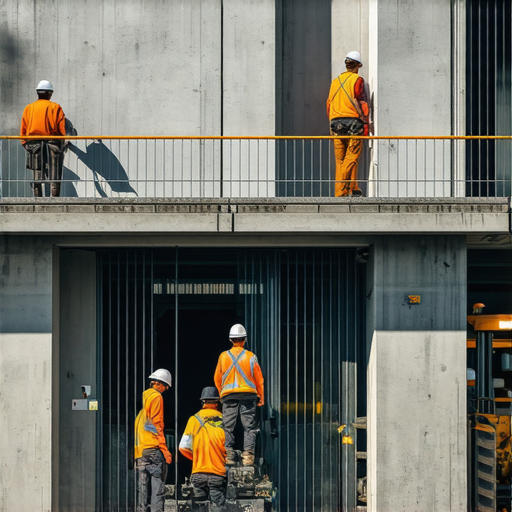

Have you ever stood in the middle of a home renovation project, only to realize halfway through that you underestimated the costs or overlooked a crucial permit? I remember the moment I learned this the hard way. I was eager to add a new room to my house, but I didn’t fully grasp the permit process or how to accurately estimate costs. That oversight led to delays, unexpected expenses, and a lot of unnecessary stress. It was a lightbulb moment for me: understanding permits and cost estimations isn’t just bureaucratic red tape—it’s the backbone of a smooth, successful home addition.
Why Permits and Cost Estimations Matter Now More Than Ever
In today’s fast-paced housing market, homeowners are more eager than ever to expand and personalize their living spaces. According to a recent report by the Home Builders Institute, proper permit management can reduce project costs by up to 20% and prevent legal complications that could derail your project entirely. But with so much information out there, it’s easy to feel overwhelmed. The truth is, many people start their renovation journey without a clear understanding of what permits are needed or how to accurately estimate costs, leading to costly surprises down the line.
One common mistake I made early on was relying on rough estimates from online calculators without consulting local building codes or permit requirements. This oversight cost me time and money. I wish I had known then what I know now: a comprehensive understanding of the permit process and accurate cost estimation strategies can make all the difference.
Are Permits for Home Additions Really Worth the Hassle?
It’s natural to question whether going through permit procedures is worth the effort, especially when you’re eager to start construction. I used to think permits were just bureaucratic hurdles. That was until I faced a legal issue because I skipped a required permit, which halted my project and cost me hundreds in fines. Learning this the hard way, I realized that permits aren’t just red tape—they’re protections for your investment and safety. For expert tips on navigating these processes smoothly, check out this guide.
Today, I’ll walk you through the essential steps to avoid my mistakes. From understanding permit requirements to accurate cost estimations, this post will equip you with practical strategies to ensure your home addition is both compliant and financially sound. Ready to take control of your project? Let’s dive into the details that will save you time, money, and stress in the long run.
Start with Detailed Planning and Research
Before lifting a hammer, dedicate time to understanding local building codes and permit requirements. Visit your city or county’s planning department website or contact them directly at this link for specific guidelines. When I planned my basement extension, I initially skipped this step, which led to costly delays. By researching early, I avoided surprises and aligned my plans with official requirements.
Accurate Cost Estimation: Break Down Every Expense
Instead of relying on online calculators, create a detailed budget by itemizing every part of your project. Think of it like assembling a puzzle—each piece (materials, labor, permits) must fit perfectly. Use trusted resources like this guide for insights. When I estimated my project, I included contingencies for unexpected costs, which saved me from financial stress later.
1. Material Costs
Obtain quotes from local suppliers or check current prices online. For my work, I visited several stores and documented prices for lumber, drywall, and fixtures, adjusting my budget accordingly. This hands-on approach helped me avoid overpriced items and stay within budget.
2. Labor Costs
Get multiple quotes from licensed contractors or use industry standards for DIY estimates. I interviewed a couple of contractors and compared their bids, ensuring I understood what was included. Remember, quality work can save money in the long run.
3. Permit Fees
Check the exact fees at your local permit office or their website. I discovered that permit costs vary widely depending on project size and location. Factor these into your budget to prevent underestimating expenses.
Navigate the Permit Process Step-by-Step
Understanding the permit process is crucial. Typically, it involves submitting plans, paying fees, and undergoing inspections. I recommend reviewing this comprehensive guide. When I submitted my permit application, I ensured my plans were detailed and complied with local codes, which expedited approval.
1. Prepare Your Plans
Create detailed construction drawings, including structural, electrical, and plumbing plans. Use software or hire an architect if needed. My initial sketches were rough, which delayed approval; investing in professional plans paid off.
2. Submit and Pay Fees
Complete the permit application form and pay the required fees. Keep copies of all submissions for future reference. During my process, I tracked submissions meticulously to avoid missing any steps.
3. Inspections and Approvals
Schedule inspections at key milestones. Be prepared to make adjustments if inspectors find issues. I learned to schedule inspections proactively, which prevented project stalls.
Utilize Tools and Resources for Success
Leverage online tools, local resources, and professional advice. For example, check out this step-by-step guide for current best practices. Remember, thorough planning and accurate estimates are your best defenses against costly mistakes and delays.
Many homeowners operate under misconceptions that can sabotage their renovation projects. Let’s dig deeper into what most people get wrong about permits and cost estimation, and uncover the hidden nuances that can make or break your home addition success.
Myth: Permits Are Just Bureaucratic Red Tape
Contrary to popular belief, permits are vital safeguards that ensure your project complies with safety standards, zoning laws, and building codes. Skipping permit approval might seem like a shortcut, but it exposes you to legal penalties, insurance issues, and potential safety hazards. For instance, a study by the National Association of Home Builders highlights that unpermitted work can reduce home value and complicate future sales. Always consult this comprehensive permit guide to understand their true purpose and avoid pitfalls.
Nuance: Overlooking Long-Term Cost Implications
A common mistake is focusing solely on initial estimates and ignoring long-term costs. For example, underestimating materials or labor expenses often leads to budget overruns. Additionally, permits may come with fees that fluctuate based on project scope and location, which many forget to include in their budgets. According to industry experts, an accurate estimate should include contingencies—typically 10-20% of total costs—to cover unforeseen issues. For detailed strategies, see this guide on estimating costs.
Question: How Can Advanced Cost Estimation Techniques Improve My Project?
Advanced estimation methods involve detailed analysis using historical data, software tools, and professional consultation. These techniques can significantly reduce surprises, especially in complex projects like multi-room additions or custom designs. For instance, leveraging modern estimation strategies helps identify cost-drivers and optimize resource allocation. Moreover, integrating project management software can track real-time expenses, ensuring your budget stays on course. Remember, the key is to combine technical expertise with thorough research, as recommended by industry leaders.
Have you ever fallen into this trap? Let me know in the comments. For more insights, explore this detailed guide on estimating costs accurately, and ensure your project is both compliant and financially sound.
Keeping It Working: Tools and Maintenance for Long-Term Success
Once your home addition is complete, the real work begins: maintaining your investment to ensure it remains functional, safe, and aesthetically pleasing for years to come. A proactive maintenance routine, combined with the right tools and software, can save you time and money while extending the lifespan of your renovation. Let’s explore some essential tools and strategies I personally rely on to keep my home projects running smoothly over the long haul.
How Do I Maintain My Home Addition Over Time?
The key to long-term success is regular inspections and preventative care. I recommend setting a seasonal schedule to check critical elements like roofing, gutters, plumbing, and electrical systems. Early detection of issues prevents costly repairs down the line. For instance, I use a digital inspection checklist app, which helps me track maintenance tasks and schedule timely fixes. Integrating software like construction management tools can streamline this process, ensuring nothing gets overlooked.
Tools I Recommend for Maintenance and Long-Term Care
In my toolkit, the Moisture Meter is invaluable for detecting hidden leaks or mold risks before they become visible problems. I personally use the Tramex Moisture Meter, which provides accurate readings without damaging surfaces. For electrical safety checks, I rely on a Multimeter—a versatile device that helps verify wiring and electrical components are functioning correctly. Investing in a quality multimeter like the Fluke 117 ensures reliable readings, preventing potential hazards.
When it comes to plumbing, a Drain Snake is essential for clearing minor clogs without calling a plumber. I prefer manual models for their control and reliability. Additionally, a Smart Home Monitoring System can alert you to issues like water leaks or temperature fluctuations, saving you from emergency repairs. I’ve integrated sensors from smart home brands into my system, which has paid off during cold winters or when I’m away.
Future Trends in Maintenance Technology
Looking ahead, the trend is clearly moving towards AI-powered home management systems that predict failures before they happen. These systems analyze data from various sensors and provide actionable insights, reducing downtime and repair costs. As these technologies become more affordable, homeowners can expect smarter, more proactive maintenance routines that keep their homes in prime condition effortlessly.
To get started, I suggest trying out an integrated home monitoring system. Regularly using these tools and adopting a maintenance mindset will ensure your home addition continues to serve you well for decades. For more detailed strategies on planning maintenance routines, visit this resource.
The Hardest Lesson I Learned About Home Addition Permits and Costs
One of my biggest lightbulb moments was realizing how much permits and accurate cost estimation can make or break a home addition project. Early on, I underestimated the time and money needed, which led to delays and unexpected expenses. This taught me that thorough research and planning are essential, not optional. I wish I had known that permits aren’t just red tape—they’re safeguards for safety, legality, and long-term value.
3 Myths About Permits and Cost Estimation That Held Me Back
- Permits are just bureaucratic hurdles: I used to think permits were unnecessary paperwork, until I faced legal issues that halted my project. Now I see permits as vital protections for my investment and safety.
- Online estimates are enough: Relying solely on quick online calculators led me to serious budget overruns. Detailed, itemized budgets are the way to go.
- Permits and costs are static: I learned fees vary widely and can change based on scope and location. Including contingencies in your budget is crucial.
Where to Go from Here
My advice is to start with detailed research on local building codes and permit requirements. Use trusted tools like this guide for cost estimation, and consult professionals when possible. Remember, understanding permits and estimating costs accurately isn’t just about avoiding mistakes—it’s about empowering your home transformation journey.
Your Turn to Try
Are you currently planning a home addition? What challenges do you anticipate with permits or budgeting? Share your experiences below and let’s learn from each other!