The Hidden Asbestos Clause in Renovation Bids
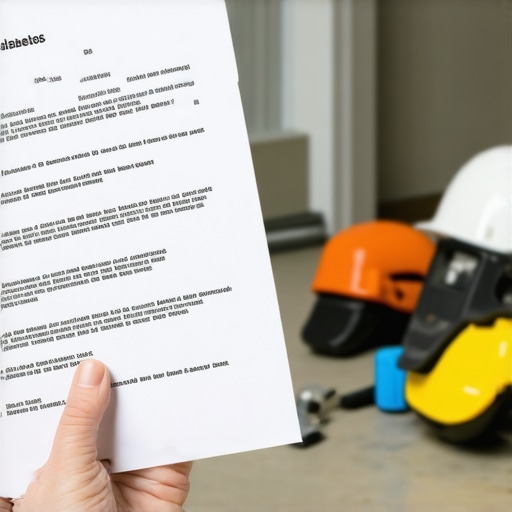
I remember the moment clearly — sitting at my kitchen table, reviewing my renovation bid, when I spotted a line I hadn’t noticed before. It was tucked away in the fine print: a clause about potential asbestos discovery. My stomach sank. It wasn’t just a standard line; it was a hidden trap that could double my costs unexpectedly. That lightbulb moment made me realize how many homeowners and builders alike miss these concealed clauses, risking surprises that can derail entire projects.
Why the Small Print Can Make or Break Your Renovation Budget
Hidden clauses like the asbestos stipulation are sneaky because they often come disguised as standard language. Early in my renovation journey, I made the mistake of trusting the bid without scrutinizing the fine print. As a result, I was blindsided when an unexpected asbestos discovery required immediate remediation, adding thousands to my costs and delaying my timeline. That experience taught me a hard lesson about the importance of thoroughly understanding what’s buried in those contracts.
Is the Asbestos Clause a Hidden Nightmare or Just Bad Luck?
Many folks ask if these clauses are just scare tactics or if they’re genuinely something to watch out for. Honestly, they’re more common than you think. According to the EPA, asbestos-containing materials are still present in numerous older homes, and their disturbance during renovations can pose health risks and financial hazards. Early in my process, I overlooked this clause because I assumed my project was straightforward. I didn’t realize that some bids might include language that shifts the risk onto you if asbestos is found later, without clear scope or cost limits. Always verify these clauses before signing, or you might find yourself facing an unwelcome surprise.
Has this ever happened to you? Have you encountered unexpected legal or material clauses that could impact your project’s success? If your experience echoes mine, you’re not alone. That’s why I decided to dig deeper into how to spot and handle these sneaky clauses, so you can avoid my mistake and keep your project on track. In the sections ahead, I’ll walk you through practical steps and tips, including how to recognize these hidden clauses and what questions to ask your contractor. Want to learn more about navigating complex permit requirements? Check out this guide on [navigating permit requirements for home additions](https://constructionedgez.com/navigating-permit-requirements-for-additions-in-2025). It’s packed with insider tips to keep your project smoothly moving forward.
Pinpoint Essential Contract Language Early
When I started my renovation, I treated bids as mere cost estimates, but I soon learned to scrutinize every clause. To do this effectively, request a sample contract in advance and highlight sections related to unforeseen issues, like asbestos, soil problems, or permit disputes. Use a highlighter or digital tools to mark these areas, ensuring you don’t overlook hidden obligations.
Ask Precise Questions About Hidden Risks
Once you identify potential clauses, formulate targeted questions. For example, if a bid mentions “discovery delays” or “hidden conditions,” ask, “What specific scenarios trigger additional charges?” This clarity prevents surprises and clarifies contractor responsibilities. I recall asking a contractor about asbestos, and his response uncovered vague language that I later negotiated into clearer terms, saving me thousands.
Negotiate Clear Scope and Cost Limits
Use your findings as leverage to establish firm boundaries. Push for cap clauses that limit extra charges or define specific conditions for extras. Think of it as a budget shield—like installing a dam before floodwaters threaten your yard. For instance, set a maximum amount for asbestos remediation, so costs don’t spiral unexpectedly. Always get these agreements in writing, ideally incorporated into the contract itself.
Verify Permits and Regulatory Language
Particularly for additions or new builds, ensuring the permit language aligns with your expectations is vital. Refer to permit guidance for new builds to confirm your contractor’s knowledge and compliance. When I was building my extension, I confirmed permit requirements explicitly, which prevented delays during inspection phases. Clarify who is responsible for permit acquisition, fees, and compliance to avoid last-minute surprises.
Conduct Due Diligence on Contract Languages
Not all clauses are obvious. Use resources like permit verification tips and analyze the fine print with a critical eye. If you find ambiguous language—like vague scope of work—challenge it with your contractor. Remember, a well-drafted contract is your best defense against hidden costs.
Implement a Review and Revision Protocol
Establish a process to review contracts before signing—ideally with legal or experienced peers. Don’t be rushed by deadlines; a thorough review can save thousands. I set aside a weekend to go through my contract alongside a legal friend, who pointed out clauses that I would have accepted blindly. This step ensures you’re aware of obligations and rights, reducing financial risk.
Keep Documentation and Amendments Organized
Finally, maintain detailed records of all negotiations, amendments, and correspondence. This archive protects you if disputes arise. Think of it as your renovation’s insurance policy—every agreed-upon change documented protects your interests. If you encounter complex clauses, consult specialists or legal advisors, especially when large sums are involved.
When it comes to estimating renovation or construction costs, many homeowners and even some professionals fall prey to common misconceptions that can lead to budget overruns. One of the most pervasive myths is that estimates are set in stone and can be relied upon without room for adjustments. However, in my experience, accurate costing hinges on understanding the nuanced differences between initial estimates and actual expenses, especially during complex projects like additions or new builds.
Many assume that permits are straightforward bureaucratic hoops to jump through, but in reality, permits carry hidden nuances that can significantly impact timeline and budget. For instance, permit requirements for new builds can vary dramatically depending on local zoning laws and the specific scope of work. A small oversight, such as neglecting to verify the latest codes, can cause delays and additional fees. To avoid this, I recommend consulting resources like permit guidance for new builds early in your planning.
Another mistake is underestimating the complexity of additions. Homeowners often think of additions as straightforward expansions, but the reality involves detailed site assessments, utility connections, and regulatory compliance. An added layer is the difficulty in accurately estimating costs for hidden issues like soil stabilization or underground utilities, which can turn a seemingly simple project into an unexpected expense. Advanced estimation techniques involve detailed site surveys and contingency budgeting; if you want to master this, see expert insights on estimating costs for new builds.
What about the role of permits in project success? Many overlook the importance of understanding the permit approval process and its hidden hurdles. For example, in some regions, permits require multiple inspections, and failure to prepare adequately can result in rejections or fines. Improvements in permit management, such as pre-filing consultations and thorough documentation, can save weeks or even months. A good resource on this is permit approval tips for seamless home additions.
Let’s clarify a common misconception: some believe that a low bid is always a good deal. But in reality, low estimates often omit essential costs or contingencies. An underestimated bid can lead to budget chaos later. To avoid being duped, compare detailed line items and request clarifications on any vague estimates, especially concerning allowances for permits and unforeseen issues.
Thinking ahead, advanced estimators always account for variables like inflation, material price fluctuations, and delays—factors often ignored in initial estimates. The key is to incorporate contingency margins—typically 10-20%—to buffer against surprises. For a comprehensive approach, check this expert guide.
In summary, the hidden nuance in estimating and permit management lies in appreciating the complexity beneath simple numbers. Avoid the trap of complacency by digging into details, verifying codes and regulations, and keeping contingency plans ready. The earlier you acknowledge these hidden factors, the smoother your project will run.
Have you ever fallen into this trap? Let me know in the comments. Remember, smarter estimates and diligent permit planning can save you thousands and headaches down the line.
Keeping It Working: Essential Tools and Methods
Proper maintenance and effective tools are vital for ensuring your construction projects, whether new builds or additions, stand the test of time. Over the years, I’ve refined a toolkit that combines technology, routine inspections, and meticulous record-keeping to keep everything running smoothly. One indispensable tool I rely on is construction management software like Procore or Buildertrend. These platforms streamline communication, document storage, and scheduling, making long-term tracking and updates more manageable.
For routine inspections, I swear by infrared thermometers. They’re invaluable for detecting heat leaks or moisture issues early, preventing minor problems from escalating into costly repairs. Personally, I use the Fluke 62 MAX, which offers reliable readings even in challenging environments. Combining such tools with regular visual audits allows me to catch issues before they become urgent.
Another technique I emphasize is maintaining detailed digital logs. Each site visit, maintenance task, or inspection should be recorded with date-stamped photos and notes. These records not only facilitate quick troubleshooting but also serve as evidence during warranty claims or future renovations. Consider integrating cloud storage solutions like Dropbox or Google Drive for easy access and sharing with team members or specialists.
Will Future Trends Simplify Maintenance?
Looking ahead, I predict an increased adoption of Internet of Things (IoT) sensors embedded into structures. These sensors can monitor structural integrity, humidity, and temperature in real-time, alerting homeowners or managers to issues instantly. Imagine a home where your system notifies you of a rising moisture level beneath the slab—long before visible damage occurs. Incorporating such technologies into your ongoing maintenance approach can revolutionize how you sustain your projects.
How do I maintain projects over the long haul?
Consistent inspections paired with smart tools establish a proactive maintenance routine. Regularly updating your digital logs and integrating IoT sensors can save thousands by catching problems early. Remember, the goal isn’t just to build—it’s to preserve your investment. For detailed strategies on estimating ongoing costs and planning maintenance, check out this resource. Try implementing digital logging and set calendar reminders to review your records quarterly; it’s a simple step that pays off.
Over the years, I’ve discovered that the biggest hurdles in renovation and new build projects aren’t just the visible ones like budget or timeline—they’re often concealed within contracts, clauses, and overlooked details. These lightbulb moments, though subtle at first, can dramatically change the course of your project. Embracing this insider wisdom transforms uncertainty into confidence, saving you time and money—and turning your dream project into reality.
Lessons That Changed My Approach to Construction
- Read the Fine Print Like a Pro: I learned that the difference between a smooth project and a budget nightmare often lies in understanding clauses about unforeseen issues like asbestos or soil problems. Scrutinizing contract language upfront allowed me to negotiate caps and clearer scopes, preventing surprise costs.
- Ask the Hard Questions Early: Instead of accepting vague terms, I challenged contractors on every ambiguous point, especially around permits and hidden conditions. This proactive approach built trust and clarity, ensuring everyone was aligned from the start.
- Estimate with a Buffer: Recognizing that initial estimates are just starting points, I added contingency margins for unpredictable factors. This mindset protected me from overruns and kept my project on course, even when surprises arose.
- Leverage Expert Resources: Tools like expert estimation guides and permit resources became my secret weapons. They cut through confusion and empowered me with actionable information that professionals rely on daily.
- Maintain Organized Documentation: Keeping meticulous records of all communications and agreements proved invaluable during disputes or revisions, giving me leverage and peace of mind.
Tools and Resources that Elevated My Projects
- Construction Management Software: Platforms like Buildertrend streamlined communication and documentation, making collaboration effortless and transparent.
- Advanced Estimating Guides: Investing in comprehensive resources, such as permit and cost-estimating guides, transformed my ability to accurately project expenses and timelines.
- Inspection and Monitoring Tech: Devices like infrared thermometers and early IoT sensors empowered me to catch issues early, saving costs and preventing delays in the long run.
- Legal and Contractology Resources: Knowing where to verify permit statuses or challenge hidden clauses provided confidence and control throughout the process.
Your Next Step Toward Confident Building
Taking control of hidden aspects in renovation and new build projects isn’t just about avoiding surprises—it’s about transforming your entire experience into one of empowerment and mastery. The more you learn and apply these insights, the smoother your journey will be. Remember, your project is as important as the home you’re creating. Arm yourself with knowledge, tools, and a proactive mindset, and watch how obstacles melt away.
What’s the biggest hidden challenge you’ve faced or fear you have when planning your build or renovation? Share below—I’d love to hear your story and help you navigate it better!
,