

The Specific Clause That Prevents Contractor Change-Order Fraud
I remember the moment I realized I was caught in a bind—contractor’s change orders piling up, costs spiraling, and I felt utterly powerless. It was a chilly morning, and I was staring at a pile of invoices, each more confusing than the last. That day, I learned a hard lesson about trusting contracts without proper safeguards. It’s a mistake I see many homeowners make initially, thinking a handshake or a simple agreement will suffice. But when it comes to major renovations or new builds, a single overlooked clause can mean the difference between staying on budget and losing it all.
The Missing Piece That Blocks Change-Order Fraud
One of the most overlooked protections is a specific contractual clause designed to prevent contractor fraud—more specifically, change-order scams. Without this line in your contract, contractors might intentionally underestimate costs and then inflate charges later, knowing you’re unlikely to dispute them. Early in my career, I didn’t realize the importance of this clause. I trusted my contractor, skipped that part, and paid dearly for it. When the unexpected expenses started rolling in, I wished I had done my homework earlier. That experience spurred me to dig deeper into the legal mechanisms that can safeguard homeowners, and I want to share that with you today.
Why Homeowners Need This Clause Now More Than Ever
The truth is, the construction industry has seen significant shifts. Fees are climbing, timelines stretch, and misrepresentations are more common than you might think. According to a recent survey, nearly 70% of homeowners experienced unexpected costs due to change orders, often without proper oversight. This is why having a specific clause—often called a ‘Change-Order Control’ clause—has become essential. It creates clear boundaries, requiring transparency and approval before any additional costs are incurred. Implementing this clause is like installing a security system for your budget—it’s a tangible safeguard that gives you control.
Is This Clause Actually Worth the Hype?
Now, you might be skeptical—”Is it really that easy to stop change-order fraud?” Or, “Will this complicate my project unnecessarily?” I understand those concerns, especially when early on I made the mistake of assuming contracts were just formalities. The truth is, I’ve seen projects where a simple contractual safeguard—like a change-order clause—stopped fraud before it even started. It’s a straightforward measure that, when properly drafted, can make contractors think twice before trying to slip in extra charges.
If you’re nodding along, wondering whether you’re protected enough, then you’re not alone. Many homeowners don’t realize this clause exists or underestimate its importance. To learn how to craft this into your contract effectively, I recommend consulting [this guide](https://constructionedgez.com/estimating-costs-for-new-builds-expert-insights) that dives into contractual nuances. Remember, a well-structured contract is your best line of defense against unexpected financial surprises in construction projects. Now, let’s explore how to implement this safeguard properly, step by step.
Set Clear Budgets with Precise Estimates
Start by creating a detailed and accurate cost estimate for your project. Use comprehensive data sources and consider all potential expenses, including permits, material costs, and labor. I once worked on a kitchen remodel where I employed a breakdown estimate—itemizing every component—which prevented surprises later. Accurate estimates form the baseline for effective change control.
Draft a Specific Change-Order Clause
Work with a construction attorney or a guide like this resource to craft a clause that clearly states any additional work requires your written approval before proceeding. Phrase it as a mandatory approval step, and specify who is authorized to approve changes. This is akin to setting a password—only approved modifications become part of the project.
Incorporate the Clause Into Your Contract
Ensure the clause is integrated into your main contract and referenced explicitly in all related documents. During my first major renovation, I reviewed the contract with my lawyer, emphasizing this clause, which gave me leverage if unexpected changes occurred. Proper integration prevents it from being overlooked during negotiations or disputes.
Establish a Transparent Change-Request Process
Create a formal process for contractors to submit change requests, including detailed descriptions, justifications, and cost estimates. When I managed a home addition, I demanded all change requests be in writing, accompanied by a revised scope and cost breakdown. This practice fosters accountability and clarity, making it easier to spot unnecessary or inflated charges.
Enforce the Approval Protocol Rigorously
Always review change requests carefully. Do not approve verbal requests or vague proposals. Before signing off, verify that the requested change aligns with your project goals and budget. When my electrician proposed an extra outlet, I asked for a detailed estimate and timelines, which prevented unexpected delays and charges. This vigilance ensures contractors adhere to agreed-upon budgets and timelines.
Track Changes and Review Costs Regularly
Maintain a change log that records all approved modifications along with associated costs. Use this document to monitor total expenditure versus your initial estimate. In a recent project, diligent tracking prevented project creep, and I identified a wiring upgrade that was unnecessary and negotiated a reduction.
Leverage Technology for Ease
Utilize project management software or digital tools that include change request modules. This simplifies documentation and approval workflows. When I implemented a digital platform for a basement renovation, it streamlined communication, reducing miscommunications and ensuring quick approvals.
Remember, applying these steps transforms your contract into a powerful shield against change-order fraud. It ensures you’re the decision-maker, not the last to know when costs escalate. For more specific strategies on estimating costs and managing permits, check out this guide or connect with experts via our contact page.
< >Many homeowners believe that rough estimates or online calculators can replace thorough planning, but this is a dangerous misconception. In my experience, relying solely on initial figures often leads to significant budget overruns because these estimates overlook crucial complexities like site-specific conditions, material fluctuations, and permit requirements. For example, a surprisingly high percentage of project delays are caused by underestimating permitting processes, which can vary drastically depending on local regulations; this nuance is often misunderstood even by experienced DIY enthusiasts. Ensuring you include detailed scope definitions and obtain professional opinions from specialists can prevent costly surprises later.
Why do so many estimates fail to account for hidden costs?
The answer lies in the tendency to focus only on visible expenses, neglecting factors like unforeseen soil issues, regulatory compliance, or evolving code standards. According to a 2022 study by the National Association of Home Builders, nearly 65% of projects experience budget creep due to such overlooked variables. This underscores the importance of consulting with experts and understanding local permit processes—detailed insights on these can be found in this guide on permit procedures. Having a comprehensive, contingency-rich estimate is crucial; otherwise, you risk unanticipated expenses that threaten project viability.
One common myth I want to dispel is that permits are a mere formality. In actuality, permit complexities can make or break your project schedule and budget. Misjudging the scope or delay in permit approvals often causes cascading setbacks, emphasizing why thorough pre-application research is essential. Don’t fall into the trap of underestimating permit-related costs or timeline constraints; instead, leverage resources and professionals to navigate this nuanced aspect effectively. To ensure you’re fully prepared, review these essential tips on permit management. Always remember, an accurate estimate isn’t just about numbers—it’s about foreseeing and managing the project’s hidden nuances. Have you ever fallen into this trap? Let me know in the comments.
Tools I Recommend for Long-Term Building Success
Maintaining a building project over time requires more than just initial planning; it demands reliable tools and consistent practices. I personally rely on a combination of digital software and hands-on methods to ensure everything stays on track. One indispensable tool I use is Procore, a project management platform that consolidates communication, scheduling, and document control into a single interface. It’s incredibly effective because it provides real-time updates and allows me to track changes and approvals seamlessly, preventing costly miscommunications.
Another software I swear by is PlanSwift for estimating and takeoff processes. This tool helps me quickly quantify materials and labor, reducing errors that might lead to budget overruns later. I’ve found that accurate estimates early in the project are crucial for smooth progress and reduce the need for frustrating change orders down the line.
But even the best digital tools need a disciplined approach. I recommend maintaining a detailed change request log, preferably using Excel or a dedicated construction app, to record every adjustment. This habit helps me review long-term impacts on the project timeline and budget, especially when scaling up or introducing additions. Combining digital workflows with meticulous record-keeping forms the backbone of effective, long-term project management.
How do I keep my project functioning well over time?
Continuous maintenance is key. Regular site inspections, at least weekly, catch small issues before they escalate. Invest in quality equipment that is easy to maintain; for example, I always choose tools like Milwaukee M18 Fuel for their durability and battery life, which minimizes downtime. Properly scheduled inspections and routine equipment servicing maximize operational efficiency and prevent unexpected failures that can stall construction progress.
Moving forward, the trend in construction management points toward increased automation and data-driven decision-making. Emerging technologies like AI-driven scheduling and IoT sensors for equipment health will revolutionize how we maintain projects. Staying ahead means adopting these innovations early, ensuring your project remains on target despite scaling complexities.
If you’re wondering how to effectively manage permit updates or integration of additions over the lifespan of your build, consider adopting advanced estimation strategies tailored for long-term adaptability. These methods not only help in initial planning but also facilitate smooth adjustments as your project evolves. For a hands-on approach, start by implementing a centralized digital log for all project modifications and regularly review it to identify patterns or recurring issues that need proactive solutions.
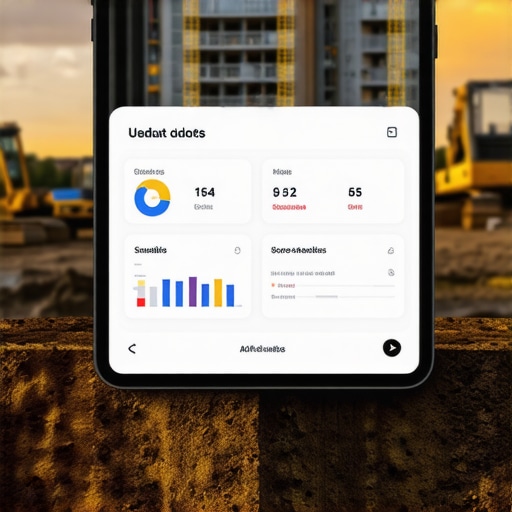
This image illustrates a digital site management dashboard I use daily, which consolidates real-time data feeds and status updates. Having such a snapshot helps me make informed decisions quickly, avoiding costly delays or rework. The future of project maintenance is undeniably digital, and integrating these tools now positions you for resilient, scalable success. To learn more about managing your building schedule and scaling effectively, contact us here and let’s discuss tailored solutions for your project.
Lessons That Changed My Approach to Construction Safeguards
- Never Rely on Assumptions Alone: I learned the importance of detailed, professional estimates early on—assuming generic figures can lead to costly surprises, especially when permits and site conditions vary greatly. Asking for specific, written estimates keeps everyone accountable.
- Contracts Are Your Armor—Use Them Wisely: A well-crafted change-order clause made the difference between controlled expenses and budget chaos. I realized that clear, enforceable language prevents contractors from slipping in extra charges without approval.
- Transparency Is Non-Negotiable: Establishing formal change requests and keeping meticulous logs helped me spot inflated costs and unnecessary modifications. This accountability minimized disputes and kept projects on track.
- Leverage Technology for Peace of Mind: Using project management apps and digital documentation streamlined communication and kept all stakeholders aligned. Automation won’t replace due diligence but enhances your capacity to monitor progress.
- Understand Local Regulations Thoroughly: Overlooking permit nuances can cause delays or permit rejections. Partnering with professionals familiar with local codes saved me time and money—don’t underestimate the value of expert guidance.
My Toolbox for Building Success
- Estimating Costs for New Builds: A comprehensive guide that transformed my budgeting process, emphasizing contingency planning and realistic scope definition.
- Understanding Permit Processes: Navigating permits can be tricky; this resource provided strategies to anticipate and manage permit hurdles effectively.
- Site Prep and Hidden Expenses: Recognizing the potential for underestimated site work costs helped me set more accurate budgets and avoid surprises during execution.
- Modern Estimation Strategies: The latest methods to refine cost predictions, crucial for adapting to evolving project scopes and permit requirements.
Take Action and Build with Confidence
Embarking on a construction project, whether a simple addition or a major new build, can feel daunting. Yet, with the right safeguards—like detailed estimates, robust contractual clauses, and transparent processes—you can transform uncertainty into certainty. Remember, proactive planning isn’t just about avoiding costs—it’s about empowering yourself to make confident decisions that protect your investment and peace of mind. Ready to elevate your next project? Dive into these resources and start implementing strategies today—it’s worth every effort.
Have you ever faced unexpected costs due to change orders or permit issues? Share your experiences below and let’s learn together how to build smarter and safer for the future.
,